
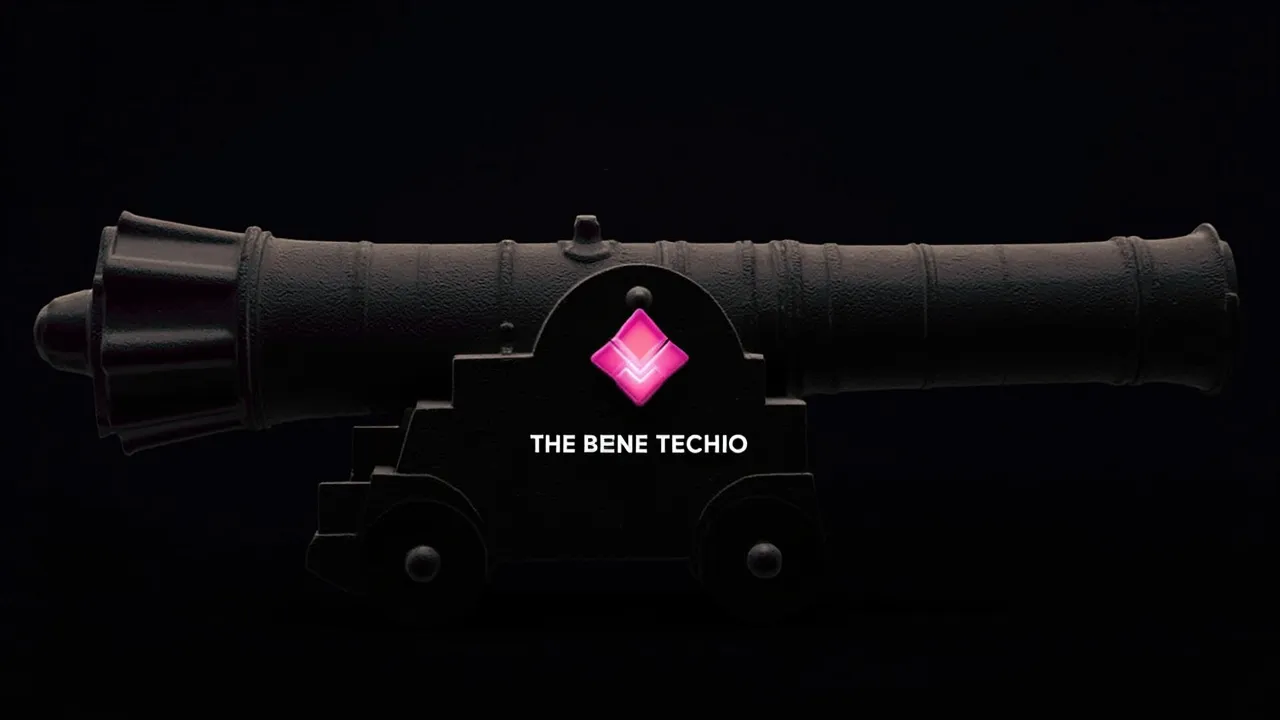
So picture this: You're an archaeologist, minding your own business, carefully restoring a section of the most iconic fortification in the world. Then suddenly—boom—you uncover a massive cannon that makes you go "wait a minute, this doesn't look like I expected."
That's basically what happened to researchers working on the Jiankou section of the Great Wall near Beijing. While doing restoration work on three watchtowers and the walls connecting them, they stumbled upon a cannon that, frankly, looks a bit... European? And I don't know about you, but I find that absolutely delightful.
The Cannon That Started a Conversation
Let me give you the specs because they're genuinely impressive. This bad boy weighs 247 pounds and stretches about 35 inches long. And get this—it's inscribed with "Chongzhen Year 5," which translates to good old 1632 C.E. So we're talking nearly 400 years of this thing sitting there, waiting for someone to notice it.
What makes it so special isn't just its size, though that's pretty cool. It's the design. You see, this cannon has features that echo European-style red-coat cannons, particularly in the barrel department. And it fits perfectly into the battery platforms on the watchtowers, suggesting it was a standard piece of equipment up there. A regular, uh... cannon? That the guards would use to defend the wall? Okay, I'll stop making weird jokes.
The researchers are calling this "crucial physical proof of Chinese-Western military technology exchange." And honestly? That phrase gets me geeking out. We're not just talking about silk and spices traveling along trade routes—we're talking about military knowledge, weapon designs, maybe even engineers crossing paths. How cool is that?
The Human Element (Because Robots Don't Build Walls)
Here's where things get really interesting. The archaeologists didn't just find weapons and military equipment. They found evidence of actual human beings living on that wall, which frankly, makes the whole thing a lot more relatable.
Take Watchtower 118, for instance. The research team discovered a heated brick bed and a stove in there. You know what that means? Soldiers stationed on the Great Wall weren't just sitting around being miserable in the cold. They had some creature comforts. They had beds! With heating! Someone was like "you know what, it's freezing up here, let's make this less terrible."
And in Watchtower 117, they found an immigration monument dated to 1573, giving us a construction date for that section. It's like finding the original building permit hidden in the walls.
Messages from the Workers
Now, I saved the best for last because this is the part that really got me. Among all the bricks they examined (because yes, archaeologists apparently examine a lot of bricks), one of them had an inscription that wasn't about construction techniques at all. It was a message. A complaint, really. Translated, it reads: "nothing but alcohol or worry; three years of toil turned my hair white."
I don't know about you, but I immediately felt that. This wasn't a supervisor's note about load-bearing capacity or a manufacturer's stamp. This was a worker—probably exhausted, probably missing home, probably wondering why he signed up for this—scribbling his feelings into the wall where he was working. And four hundred years later, someone found it.
That really hit me. The Great Wall isn't just this abstract historical monument. Real people built it. Real people complained about their jobs while building it. Real people carved poetry and grievances and little messages into the bricks, hoping someone, someday, might understand what they were going through.
More Than Just a Wall
The excavations also revealed 28 turquoise artifacts, suggesting trade networks reaching into Hubei, Henan, and Shaanxi provinces. They found crops and medicinal plants, giving us clues about what people ate and how they treated illness. Animal bones showed both domesticated and wild animals were on the menu—because sometimes you need to eat whatever you can catch, you know?
Dr. Shang Heng from the Beijing Institute of Archaeology summed it up nicely when they said these findings transform the Great Wall "from a cold military structure into a living historical landscape integrating defense, cultural exchange, and daily life."
And honestly? I think that's the real takeaway here. We've all seen those photos of the Great Wall winding through mountains, looking impossibly ancient and far away. But it's not just a monument to human engineering. It's a record of human experience—of trade routes and military innovations, of soldiers making heated beds in cold watchtowers, of workers complaining about three years of hard labor.
Every so often, someone pries open another little window into that past, and we get to peek through. This time, that window happened to be shaped like a cannon that looks suspiciously European.
How's that for a plot twist?