
Okay, I need to tell you about something that literally made me gasp out loud when I read about it.
Picture this: You're swimming in the beautiful waters off Menorca—one of Spain's gorgeous Balearic Islands—thinking about your cocktail on the beach later. But beneath that turquoise surface lies something extraordinary. Three ancient ships, frozen in time for nearly 800 years, resting on the seafloor like they've been waiting patiently for someone to discover their secrets.
And here's where it gets really wild.
A Battleground Frozen in Time
The Balearic Islands weren't always the paradise playground for tourists that they are today. In the 13th century, these islands were caught in the middle of a massive power struggle between Moorish forces and expanding Christian kingdoms. We're talking centuries of conflict, naval battles, and political maneuvering.
In 1229, King James I of Aragon conquered Majorca. He then grabbed Ibiza in 1235. His grandson Alfonso finished the job by taking Menorca in 1287. That's some serious family business spanning generations!
The ships discovered near the ancient harbor of Cala en Busquets (close to modern Ciutadella) likely met their end during the 1240s—a tumultuous period in this very conflict. What's fascinating is that all three ships seem to have sunk around the same time, possibly during sudden and violent "rissagas" events. These aren't your typical tsunamis caused by earthquakes. Instead, they're triggered by rapid atmospheric pressure changes that create devastating waves. Nature was probably more dangerous to these sailors than any enemy ship.
Why These Wrecks Survived So Long
Here's something that blows my mind: these ships have been sitting underwater for almost 800 years, and they're remarkably well-preserved. How is that possible?
Two pieces of luck, essentially.
First, by the 13th century, merchants had started switching from clay amphorae to wooden barrels for transporting goods. Here's why that matters: treasure hunters often drag magnets along the seafloor hoping to find those metal-rich amphorae. But barrels? They're made of wood, which degrades naturally. So looters literally passed right over these ships without any signal to dig deeper.
Second, the modern port infrastructure on Menorca was built on the island's eastern side. The western cove—now nicknamed the "Cala en Busquets" or sometimes called the "Cove of Mysteries"—remained completely untouched and undisturbed.
Thank goodness for geographical decisions made centuries later, right?
The Artifact That's Got Everyone Excited
Now, let's talk about what they actually found. Among Moorish and Christian artifacts scattered across these wrecks, archaeologists discovered something that the research team is calling the island's "artifact of the decade."
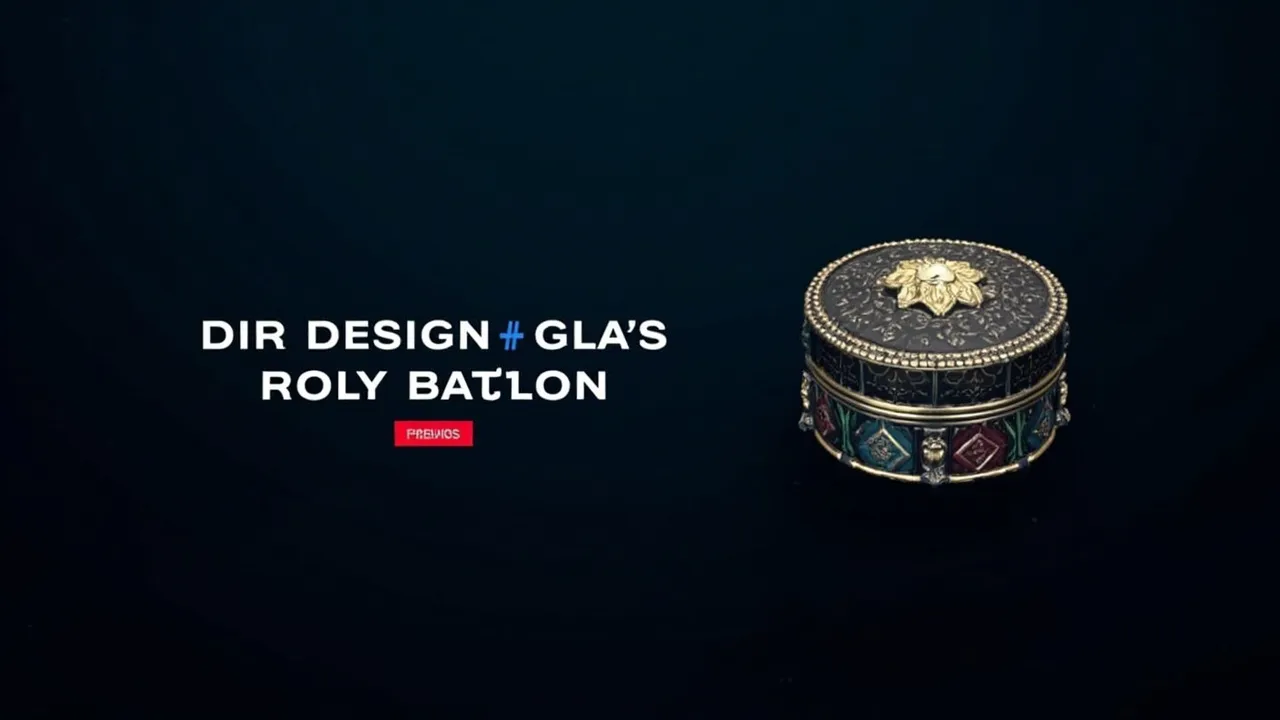
It's called an encolpium.
Think of it as a sacred locket or reliquary worn around the neck by high-ranking clergy members. These weren't just decorative pieces—they typically contained something precious inside. A bone fragment? A piece of parchment with holy text? A scrap of fabric from something sacred?
The honest answer? Nobody knows yet.
The artifact is currently being professionally desalinated at the Museum of Menorca, and it's a painstaking process. One of the lead archaeologists, Xavier Aguelo Mas from the Menorca Shipwreck Project, told researchers: "Maybe a bone? Parchment? We don't know. It's an unraveling story still… This tiny little cove, this underwater museum… still has a lot to tell."
I don't know about you, but I'm absolutely dying to find out what's inside that little container.
Why This Matters
What makes this discovery so special isn't just the encolpium itself—it's what it represents. Here you have physical evidence of Moorish and Christian civilizations literally sharing the same space, likely trading or perhaps even sailing together before disaster struck. These three ships preserve a moment in time from nearly 800 years ago, giving us rare insight into a complex historical period that textbooks often simplify into neat narratives.
The team plans to publish detailed findings in 2027, but honestly, I hope we hear more updates before then. In the meantime, somewhere in a museum in Menorca, a tiny sacred object is slowly being coaxed back to life after nearly eight centuries underwater.
Sometimes the most incredible stories aren't in our history books yet—they're still waiting at the bottom of the sea, patient and mysterious, ready to reshape how we understand our shared past.