
The Tombs That Changed Everything
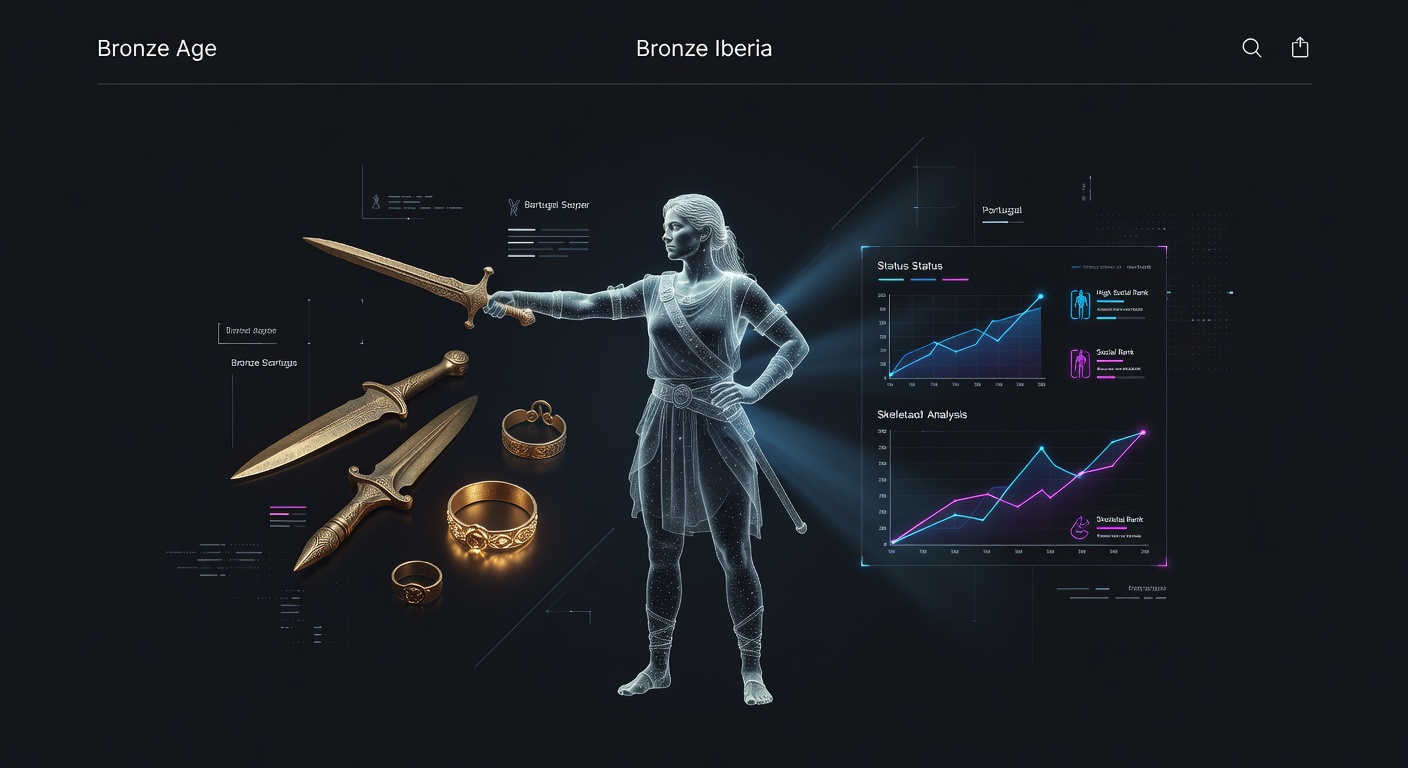
Imagine being an archaeologist and stumbling upon a grave from 4,000 years ago where a woman is buried with weapons. You'd probably do a double-take, right? Well, that's exactly what researchers found when they examined 57 ancient underground tombs in southern Portugal, and honestly, it's making me reconsider everything I thought I knew about ancient societies.
Underground Time Capsules
Here's the setup: these aren't fancy above-ground monuments or pyramids. We're talking about hypogea—basically ancient underground burial chambers carved into the earth. Think of them like subterranean rooms where entire communities laid their dead to rest. The Bronze Age people in Baixo Alentejo (a region in southern Portugal) used these underground spaces extensively, and we didn't even know how extensively until the 2000s when they damned the Guadiana River and suddenly revealed this whole hidden archaeological treasure trove.
The Surprising Gender Dynamics
Here's where it gets really interesting. When researchers analyzed the 95 individuals across these 57 tombs, they discovered something that breaks a lot of stereotypes about ancient cultures. Women weren't just buried—they were buried better than men. More grave goods, nicer ceramics, better metal items... the works.
And then there are the weapons.
Women in these Bronze Age tombs had weapons. Not lots of them, not overwhelmingly more than men, but they were definitely there. About 18% of women and 21% of men were buried with weapons, which doesn't sound like a huge difference, but here's the kicker: this was statistically similar. Meaning both sexes equally had access to weapons and the status that came with them.
Why This Matters So Much
Let me be honest—this finding is kind of mind-blowing because it directly contradicts this outdated idea that ancient societies were rigidly male-dominated. The evidence suggests these Bronze Age Portuguese communities didn't see gender as a total barrier to power, status, or warrior roles.
But here's the thing: this isn't even unique. This discovery is just adding to a growing collection of similar finds across Europe and beyond. There's the medieval Hungarian woman warrior discovered just recently, the famous Viking female warriors, and Bronze Age women in Azerbaijan buried with daggers and maces. Even the ancient Greek myths about Amazons are starting to look less like pure fantasy and more like distant cultural memories of something real.
What Burial Practices Actually Tell Us
One thing I really appreciate about this research is how it reminds us that archaeologists are basically detectives using burial practices as clues. What people buried with their dead reveals what they valued. Nice pottery? They valued feasts and hospitality. Weapons? They valued combat skills and warrior culture. When you see women buried with the same respect as men, with weapons and fancy goods alike, you're literally seeing a snapshot of a society where women held real power.
The researchers put it perfectly when they noted that these funerary practices "appear to have been structured by age, biological sex, and possible social differentiation." In other words, yes, gender mattered in Bronze Age Portugal, but it wasn't the only thing that mattered. Your age, your accomplishments, and your social rank also played huge roles.
The Bigger Picture
What's really cool about findings like this is how they're slowly reshaping our entire understanding of human history. We keep assuming that the past was more patriarchal and male-dominated than it actually was. But every time archaeologists dig into a new burial site, we find more evidence that women were warriors, leaders, and community members with real agency and respect.
The truth is, warrior women have been part of human societies for thousands of years. Not everywhere, not always, but frequently enough that we should stop treating them like exceptions and start treating them like part of normal human history.
Next time someone tries to tell you that women warriors are a modern invention, you can tell them about Portugal, 4,000 years ago.