
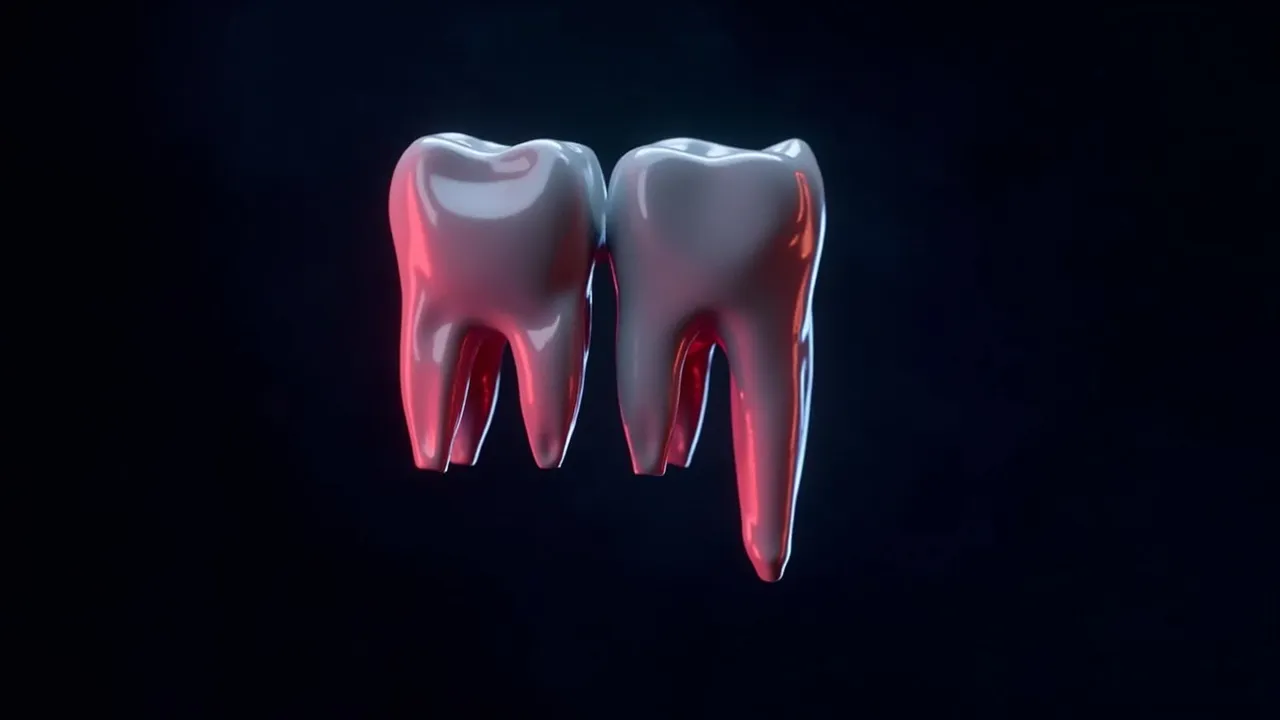
Okay, I need to tell you about something that sounds like science fiction but is actually happening right now in Japan.
We all know our bones are pretty amazing, right? Break an arm, and within weeks, it's good as new (mostly). But teeth? Total opposite. Crack a tooth, and you're stuck with it — or you end up at the dentist getting it fixed with artificial materials.
This is a bigger deal than it might seem. Millions of people worldwide deal with tooth loss or absence, and it's not just a cosmetic issue. It affects how you eat, speak, and — let's be honest — how confident you feel when you smile.
So What's the Deal with Teeth?
Here's the thing: teeth and bones are made of some similar stuff, but they're fundamentally different in one crucial way. Your bones are alive and constantly remodeling themselves. Your teeth? Mostly not so much. Once your adult teeth are fully formed, they're pretty much on their own.
That protective enamel coating? It's the hardest material in your entire body. Pretty impressive, honestly. But it's also not living tissue, which means it can't heal when things go wrong.
The Cool Science Part
Here's where it gets interesting. Scientists in Japan have been studying a specific protein called USAG-1. And here's the surprising part: this protein actually inhibits tooth growth. In other words, it's partially responsible for why we can't just regrow teeth whenever we want.
Now, here's the really cool bit. The researchers developed an antibody that blocks this protein. And when they tested it on animals like ferrets and mice, guess what happened? New teeth started growing.
Ferrets, specifically, were important because their dental patterns are actually pretty similar to ours. We're both what scientists call "diphyodont" animals — meaning we go through two sets of teeth in our lifetime. So if it works on ferrets... well, maybe it could work on us too.
Where Are We Now?
Human trials started in September 2024. The current phase involves 30 adult men who are missing at least one tooth. They're receiving the treatment through an IV, and so far, no side effects have shown up in the animal studies — which is definitely good news.
If that goes well, the next phase targets kids aged 2 to 7 who are missing at least four teeth. These would be children with congenital tooth deficiency — meaning they never developed those teeth in the first place.
My Take on All This
I'll be honest: when I first heard about this, I thought it was too good to be true. But the science behind it is solid, and we're not talking about some distant future fantasy. The researchers are saying a tooth-regrowing treatment could be available by 2030.
That's only a few years away.
Imagine a world where dental implants and dentures become obsolete. Where if you lose a tooth in an accident or due to decay, you just... grow a new one. It sounds like something from a sci-fi movie, but it might actually happen in our lifetime.
Dr. Katsu Takahashi, one of the lead researchers, said they're doing this to help people who are suffering from tooth loss or absence. "There has been no treatment to date providing a permanent cure," he noted. That's a pretty powerful motivation.
The Bottom Line
This is one of those medical developments that's worth keeping an eye on. We're not there yet, and there are still plenty of hurdles to clear — but the fact that we're even at this point is pretty remarkable.
Our bodies have limits, sure. But as this research shows, those limits might be more flexible than we ever imagined.
What do you think? Would you regrow a tooth if you could? Drop your thoughts below — and maybe save this article, because in a few years, this might become very relevant.