
Okay, I need to tell you about something that genuinely made me say "wait, WHAT?" when I first read about it.
Lost a tooth? No problem. Just grow another one.
The Dream That Started in a Mouse
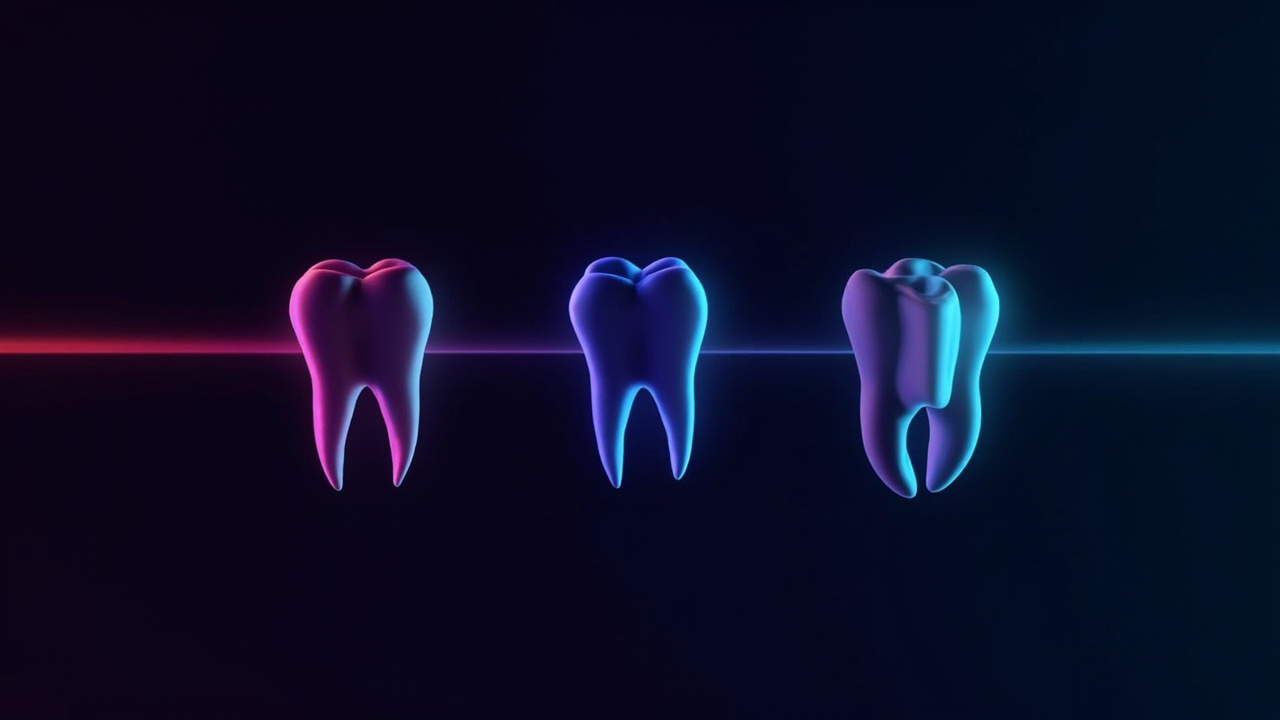
Here's the deal: a team in Japan has been working on something that sounds like pure science fiction. They're developing a drug that could help humans grow a third set of teeth. Not implants, not dentures — actual, honest-to-goodness new teeth.
The science centers on something called USAG-1, a protein that apparently puts the brakes on tooth development. Think of it like a biological stop sign. What these researchers figured out is that if you block that protein, you might be able to remove the brake and let new teeth form.
And here's where it gets real: they've already done this in mice. Like, actual live mice that grew new teeth after treatment. If you're anything like me, your brain just went to "wait, so this could work in humans too?"
From Lab Mice to Human Testing
Well, the team hasn't stopped at mice. They've moved on to human trials — and here's the exciting part — they've completed their first Phase I study. Thirty healthy adult men, each missing at least one molar, tested five different dose levels. The primary goal was safety (obviously — you don't want to mess around with messing up people's mouths), and the results came back clean enough to move forward.
This is genuinely big news. No, it doesn't mean we're growing teeth in humans yet. But it means the science is progressing in a real, documented way.
Dr. Katsu Takahashi, the lead researcher, has been pursuing this dream since he was a grad student. Imagine dedicating your entire career to something most people would call impossible. That's this guy. He told a Japanese newspaper that "the idea of growing new teeth is every dentist's dream." I love that quote because it humanizes the science — this isn't just some cold lab experiment. These are researchers genuinely passionate about changing what's possible.
Here's the Really Cool Part
Remember how I said we have two sets of teeth? (Baby teeth, then permanent teeth.) Well, Takahashi believes we might actually have the beginnings of a third set hiding in our mouths. It's called the "third dental crest," and the theory is that this latent tooth-forming potential is there, just waiting for the right signal to activate.
How do we know this potential exists? Sometimes people are born with extra teeth (a condition called hyperdontia). If the body can occasionally make too many teeth, maybe we can figure out how to make the right number at the right time. It's kind of elegant when you think about it — we're not inventing something new; we're just removing obstacles to something the body already knows how to do.
But Let's Keep Our Expectations in Check
I want to be real with you here, because I think it's important not to get too carried away. Yes, this is exciting. Yes, the science is promising. But the road from Phase I trials to actual treatment is long and full of obstacles.
The company behind this, Toregem BioPharma, is targeting 2030 for practical use. That's their goal — not a guarantee. And here's something interesting: the first patients likely won't be adults who lost teeth to cavities or gum disease. Instead, they're starting with people born missing multiple permanent teeth — a condition called congenital hypodontia. This makes sense from a research perspective; it's a more defined problem to solve.
So while a 60-year-old hoping to avoid dentures might not be the first beneficiary, this research could still be life-changing for kids born without the teeth they should have had.
The Bigger Picture
What I find most compelling about this research isn't just the tooth regrowth itself — it's what it represents. We're entering an era where we're starting to understand the body's instruction manual with incredible precision. We can identify which single gene mutation changes tooth count. We can target specific proteins and block them. We can, increasingly, ask the body to do what it already knows how to do, but maybe forgot or couldn't quite finish.
That's genuinely remarkable.
Toregem has raised nearly $30 million to push this forward, with plans for Phase II trials in Japan and future U.S. development. That's real money betting on real results.
So Where Does This Leave Us?
Honestly? Hopeful, but patient. The science is real, the researchers are serious, and early trials show the approach is safe enough to continue. But "safe enough to continue" isn't the same as "proven to regrow teeth in humans."
Still, I'm allowing myself to be excited. Because even if this specific approach doesn't pan out, the underlying idea — that we might be able to tap into dormant biological potential to regrow body parts — could revolutionize medicine in ways we can't fully predict yet.
Imagine a world where losing a tooth is no big deal. Where dental implants and dentures become relics of an earlier, cruder age. Where your body just... grows what it needs.
We're not there yet. But for the first time in human history, we can honestly say we're working on it.
And honestly? That's pretty thrilling.
SOURCE: Popular Mechanics - Humans Have a Third Set of Teeth, New Medicine May Help Them Grow