
The Plain of Jars: One of Archaeology's Biggest Mysteries Gets Solved
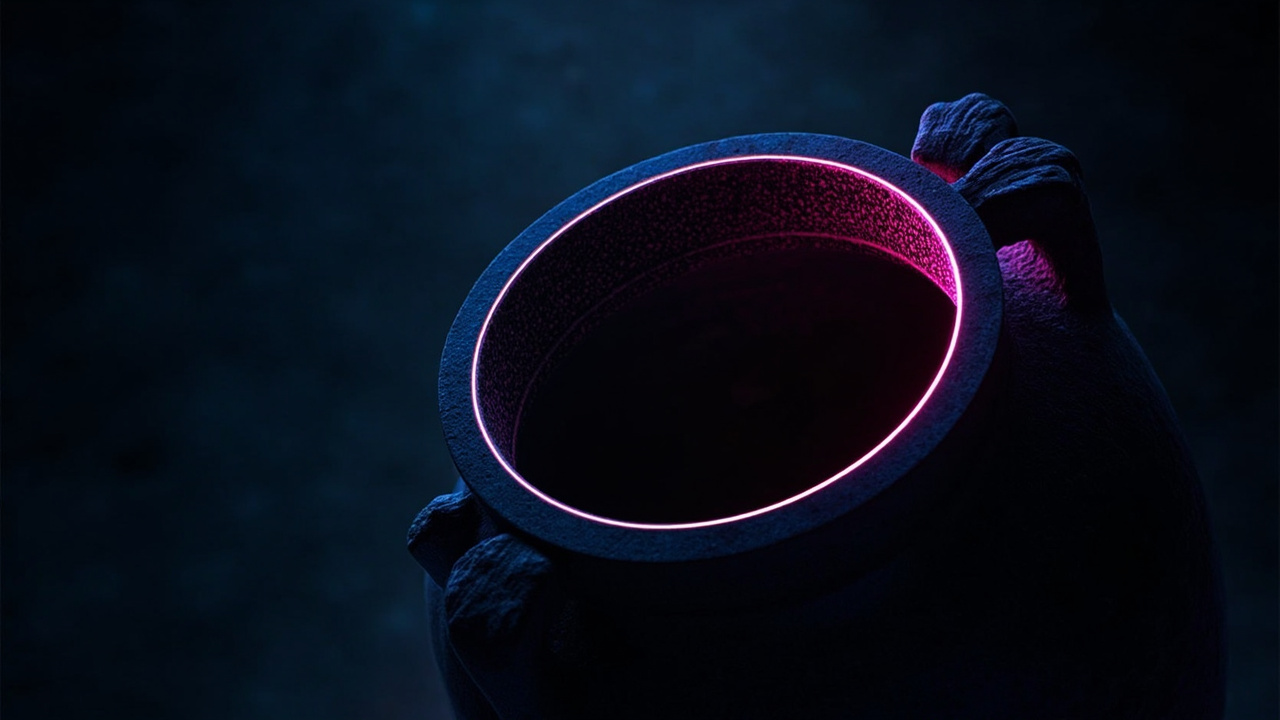
Imagine walking across a remote plateau in central Laos and seeing thousands of enormous stone jars scattered around you like some ancient giant's abandoned pottery collection. That's exactly what archaeologists have been dealing with for decades on the Plain of Jars, a sprawling archaeological site in the Xieng Khouang Plateau. These aren't tiny decorative pots either—we're talking massive containers, some taller than a person and wider than a car.
Here's the thing: nobody really knew what they were for.
The Problem With Digging in a War Zone
Before we get to the good stuff, I need to mention something sobering. Laos was heavily bombed during the Vietnam War, and millions of cluster bombs never exploded. That means any archaeological dig here is literally a minefield—sometimes actually. So investigating these jars, which date back roughly 2,000 years, has been incredibly dangerous and difficult. For a long time, researchers could only make educated guesses about what the jars actually did.
That all changed recently when a brave team of scientists managed to carefully excavate one of the largest jars near the town of Phonsavan.
The Revelation: Ancient Apartment Building for the Dead
When they finally looked inside, they found something remarkable: the remains of at least 37 people, densely packed together. But here's where it gets really interesting—using radiocarbon dating, scientists determined these people didn't all die at the same time. Their lives spanned about 270 years.
So what was happening here? The researchers believe these jars functioned as part of an elaborate multi-step burial process. Think of it like this: when someone died, their body was placed in a smaller jar somewhere else to decompose. Once the flesh had completely broken down, the bones were transferred to these massive jars—kind of like moving someone from a temporary resting place to a family crypt. The researchers think multiple family members or an entire extended family group would use the same large jar over generations, performing ancestor rituals there.
This also explains why some of the jars they've found are completely empty. They were part of the process, but not necessarily the final destination.
A Timeline Shuffle and an Unexpected Trade Route
Here's what really surprised me: the new dating pushes back when people were using these jars. Archaeologists previously thought the jars belonged to Southeast Asia's Iron Age, but this discovery shows they were actually being used much more recently—between the 9th and 12th centuries. That's a pretty significant shift in our understanding of this region's history.
But wait, there's more. Inside the jar alongside the bones, researchers found 20 glass beads. When they analyzed these beads chemically, they discovered something wild: they came from South India and Mesopotamia. This means people living in the remote Laotian highlands had trading connections spanning thousands of miles—connections we didn't know about before.
Along with the beads, the team recovered pottery fragments, a small bronze bell, and an iron knife. Everything was carefully layered with sandstone and limestone chips, showing this wasn't a random dumping ground—it was organized, intentional, and reverent.
The Mystery Isn't Solved Yet (And That's Exciting)
Here's the honest part: we still don't know everything about these jars. Nobody's entirely sure who made them, why they were built in such massive numbers (over 2,100 of them!), or what the complete story was. The jars themselves might have been created centuries before people actually started using them, which adds another layer of complexity.
What we do know is that the Plain of Jars represents something genuinely important about how ancient communities honored their dead and connected with distant parts of the world. The fact that we just figured this out in recent years shows how much undiscovered history is literally waiting in the ground for us to carefully excavate it.
Why This Matters Beyond Archaeology
What I find genuinely moving about this discovery is how it reveals the humanity of people from 1,000+ years ago. These weren't just practical containers—they were places where families gathered repeatedly to remember their ancestors. That's something we can relate to right now. It's a reminder that across time and culture, humans have this deep need to honor those who came before us.
The research team's next goal is to study more of these sites, especially the ones that haven't been disturbed yet. Given the dangerous conditions, this work is slow and meticulous. But each jar they carefully open has the potential to rewrite what we know about Southeast Asian history.
Pretty cool that we're still discovering these kinds of secrets, isn't it?