
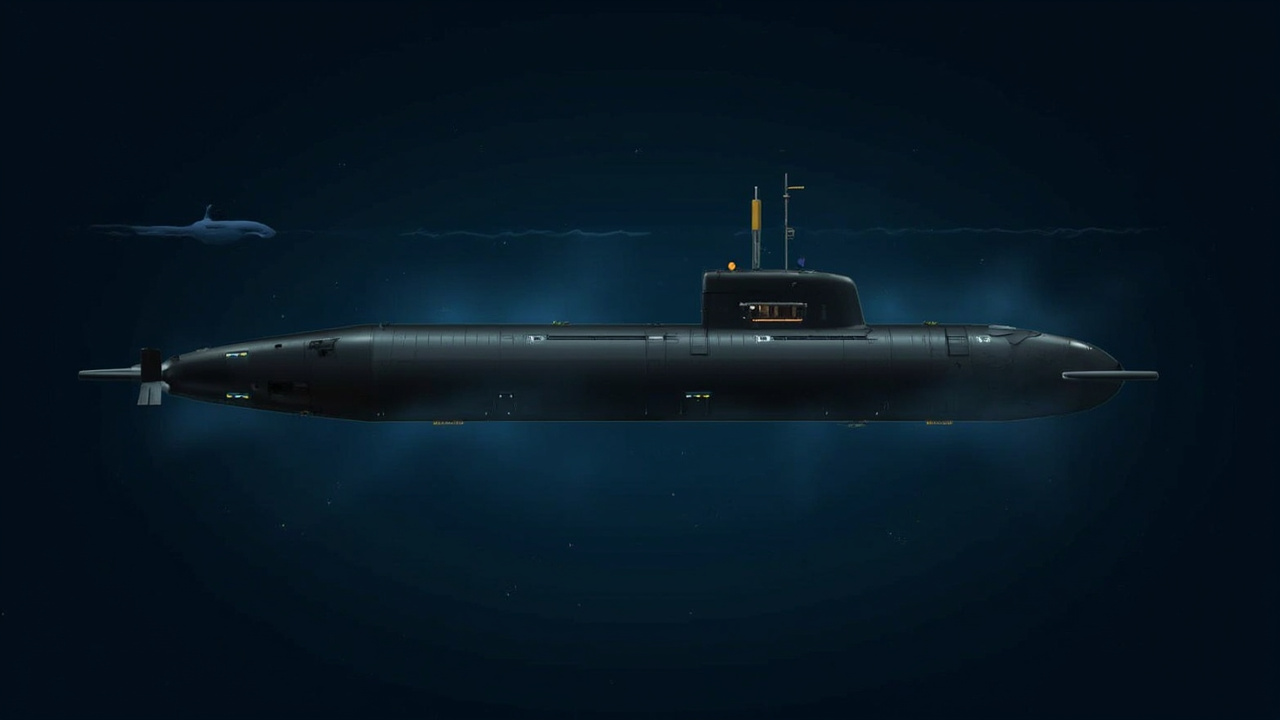
The Mission That Changed Everything
Picture this: You're in charge of 137 people packed inside a metal tube the size of a small apartment building, traveling hundreds of feet underwater at high speed. Now imagine something goes terribly, catastrophically wrong. That's the situation the USS San Francisco found itself in on January 8, 2005—though nobody on board saw it coming.
The submarine had just left Guam, heading toward Brisbane, Australia for what should have been a routine training mission. The crew was in good spirits. They had their exercises planned, some shore leave to look forward to, and a captain who actually seemed to care about them as people.
Building a Culture of Excellence
Here's something that doesn't sound very dramatic but absolutely matters: The San Francisco's captain, Commander Kevin Mooney, had a habit of walking around and learning people's names. Seriously. In the military world, this might sound like basic decency, but it was actually revolutionary for a submarine that had a reputation for cutting corners and mediocre performance.
Before Mooney took command two years earlier, the submarine was the Navy's troublemaker—never quite meeting standards, always skating by on the bare minimum. But he changed the culture from the ground up. He sweated the small stuff. He cared about procedures that seemed trivial until they suddenly weren't.
Master Chief Bill Cramer, the senior enlisted sailor aboard, remembers Mooney obsessing over a tiny door in the forward section of the submarine, deep inside the sonar sphere. It didn't seem important. But Mooney knew that if the front of the hull ever got breached, water would come pouring through that door like a tidal wave, potentially dooming everyone.
"Just a year before, it was like a coin flip whether that door would actually be closed," Cramer recalls. Under Mooney's command, it always got closed.
Life in the Underwater Pressure Cooker
Before we get to what happened next, you should understand what it's like being a submarine sailor. These are some seriously tough people.
A submarine is basically a long metal cigar about 362 feet long, with a hull maybe 30 feet in diameter. Pack 137 people inside that space for months at a time, and you've got a unique kind of stress. These sailors can't just pop up to the surface for fresh air. The submarine can stay submerged for months, generating its own oxygen through electrolysis (basically splitting water molecules apart), scrubbing the CO2 from the air, and even making fresh water from seawater using its desalination system.
The nuclear reactor that powers everything means they never need air from the surface. They're completely independent from the world above—which makes them incredibly dangerous enemies in wartime, but also incredibly demanding places to work.
Cramped quarters, constant pressure (sometimes literally), minimal privacy, and the ever-present awareness that you're in an environment that will kill you instantly if something goes wrong. It takes a special kind of person.
The Critical Moment
The San Francisco's crew had done everything right. They'd cleaned the submarine obsessively—because even a wrench hitting the floor could potentially give away their position to an enemy. They'd stowed and secured everything. They'd double-checked the procedures that seemed routine but could mean the difference between life and death. They had two dozen Tomahawk cruise missiles and Mk-48 torpedoes aboard, making them a serious military asset.
Everything was perfect. Everything was ready.
And then everything went wrong.
[The blog post setup establishes the crew's preparation, culture, and the submarine environment—priming readers for the disaster that will follow in the story, which emphasizes how their preparation and unity directly contributed to their survival.]