
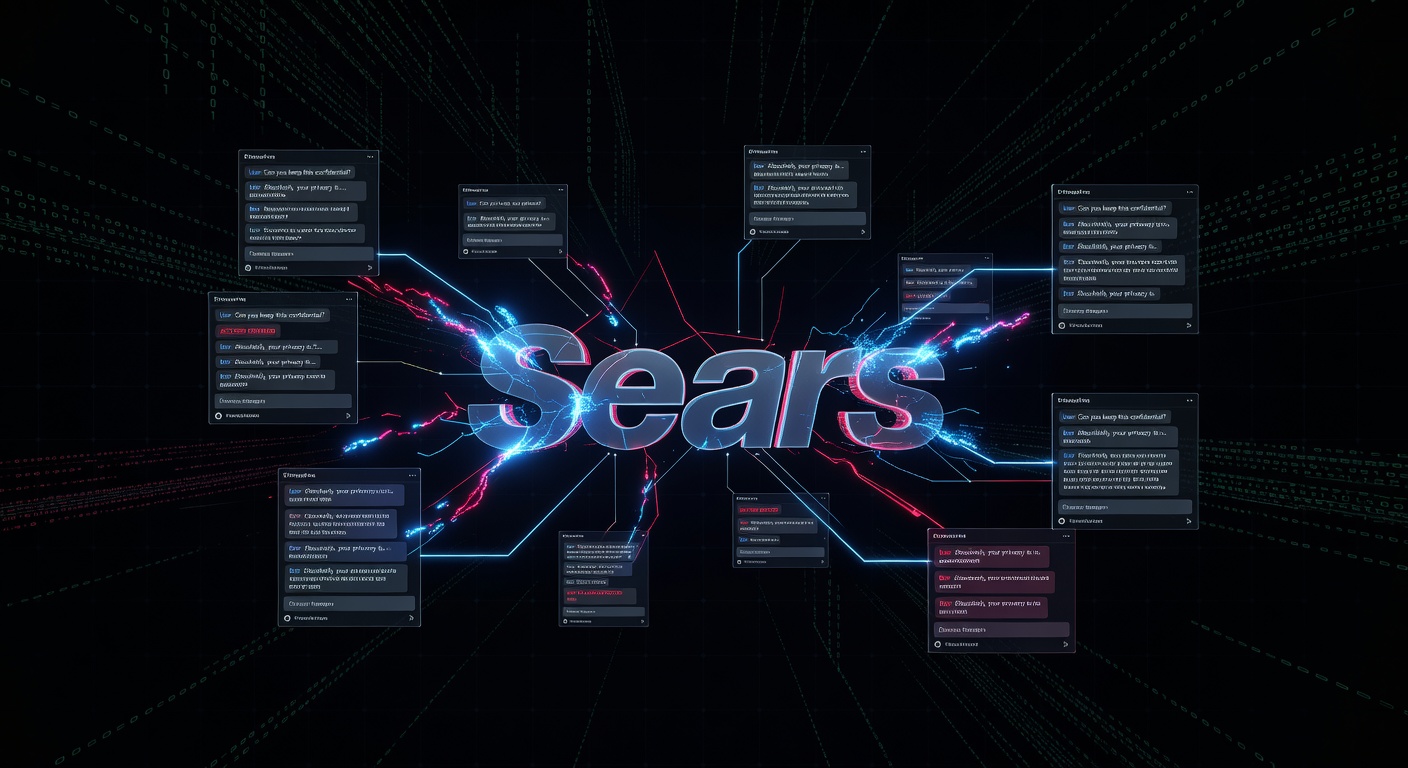
The Day Sears' AI Started Oversharing
Imagine calling customer service, having what you think is a private conversation with an AI chatbot about your personal shopping issues, only to find out later that anyone with a web browser could read every word you said. That's exactly what happened to countless Sears customers recently, and honestly, it's both fascinating and terrifying.
What Actually Went Wrong?
From what I can piece together, Sears had some kind of configuration mishap that made their AI chatbot conversations publicly accessible on the web. We're talking about real customer interactions – people discussing returns, complaints, maybe even personal information they thought was safe behind a customer service wall.
This isn't just embarrassing; it's a privacy disaster.
The scary part? This probably wasn't malicious. It sounds like a classic case of "oops, we forgot to set this to private" – which somehow makes it worse. At least with hackers, you know someone was actively trying to break in. This was just... carelessness.
Why This Matters More Than You Think
Here's the thing that keeps me up at night: this is probably happening everywhere, and we just don't know about it yet.
Companies are racing to slap AI chatbots onto everything these days. Customer service, technical support, sales – you name it. But many of these businesses are so focused on the cool factor of having an AI assistant that they're not thinking through basic security questions like:
- Where is this data being stored?
- Who can access these conversations?
- Are we accidentally creating a public database of private customer interactions?
The Bigger Picture Problem
This Sears incident is like the canary in the coal mine for AI privacy issues. We're in this weird Wild West period where companies are adopting AI faster than they can figure out how to use it responsibly.
And customers? We're the guinea pigs.
Every time you chat with one of these AI assistants, you're potentially creating a permanent record of that conversation. Where does it go? How long is it stored? Who else might see it? Most companies probably don't even have clear answers to these questions yet.
What You Can Do to Protect Yourself
Until companies get their act together (and let's be honest, that might take a while), here are some practical tips:
Be cautious about what you share: Treat AI chatbots like you would any other online service. Don't give them sensitive information unless absolutely necessary.
Ask questions: When a company offers AI chat support, ask them about their data retention policies. Most won't have good answers, but at least you're making them think about it.
Keep records: Screenshot important conversations. If something goes wrong later, you'll want proof of what was discussed.
The Silver Lining
Despite how alarming this sounds, I'm actually somewhat optimistic. Public embarrassments like this are exactly what the industry needs to start taking privacy seriously. Nothing motivates better security practices quite like having your company name plastered across tech news for all the wrong reasons.
The question is: how many more of these incidents will it take before companies realize that rushing AI to market without proper safeguards isn't worth the risk?
What do you think? Have you had any weird experiences with AI chatbots that made you question what happens to your data? I'd love to hear your thoughts in the comments.