
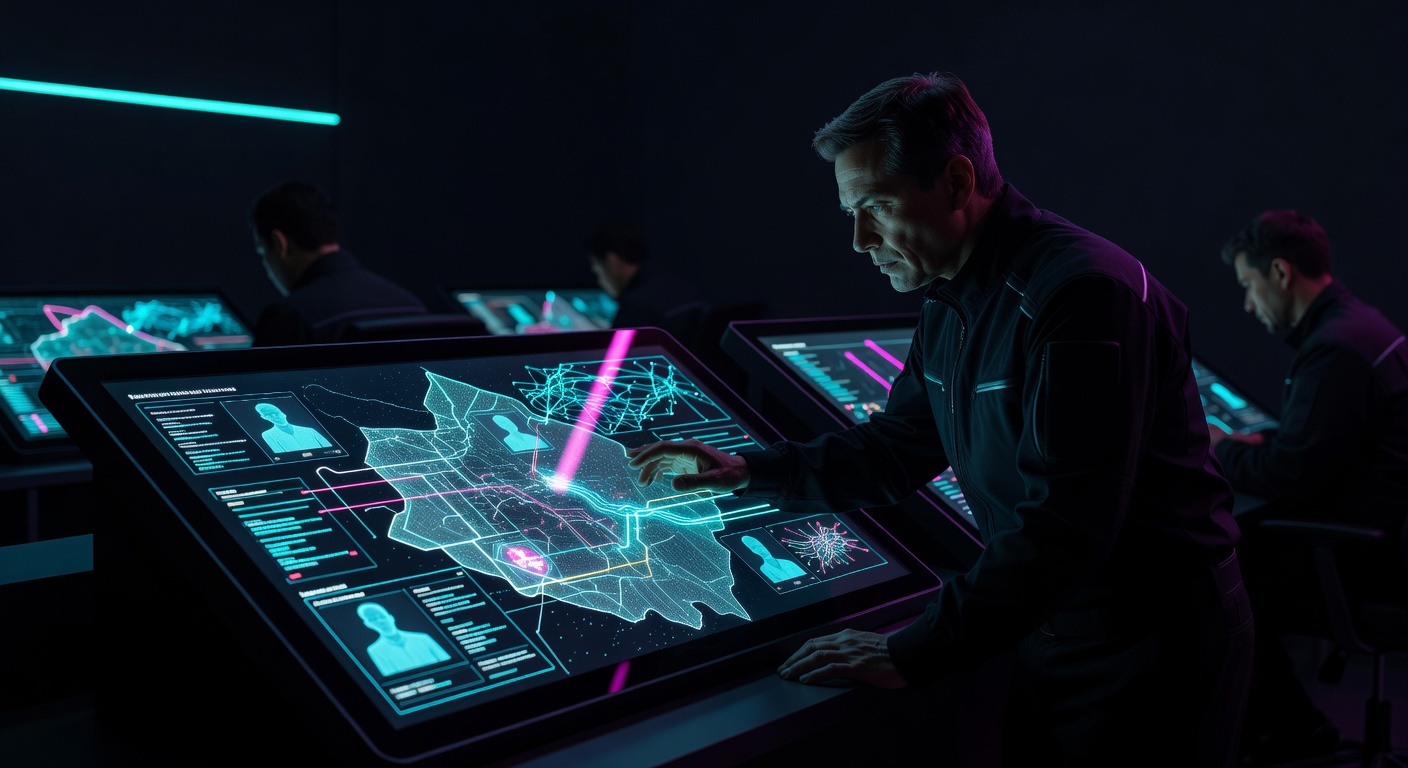
The Digital Revolution You Didn't See Coming
We live in an age where AI seems to pop up everywhere – from our Netflix recommendations to our smartphone cameras. But there's one place where artificial intelligence is making waves that most of us never think about: immigration enforcement.
I stumbled across this story about someone who worked closely with ICE agents, helping them navigate the increasingly complex world of digital tools and AI-powered systems. It got me thinking about how technology is quietly transforming even the most traditional government agencies.
More Than Just Paperwork
Here's what blew my mind: modern immigration enforcement isn't just about officers in uniforms checking documents anymore. It's become this intricate dance between human intuition and machine learning algorithms that can process massive amounts of data in seconds.
Think about it – we're talking about systems that can:
- Analyze patterns in visa applications
- Flag potential security risks automatically
- Cross-reference databases faster than any human ever could
- Predict which cases need immediate attention
It's like having a super-powered assistant that never sleeps and can remember every detail from thousands of previous cases.
The Human Element Still Matters
But here's the thing that really struck me about this whole situation – no matter how sophisticated the technology gets, you still need people who can bridge the gap between cold, hard data and real-world decision making.
That's where figures like the "ICE Agent Whisperer" come in. They're the translators between Silicon Valley innovation and government bureaucracy. They help agents understand what the algorithms are actually telling them and how to use these tools effectively.
Walking a Tightrope
This whole topic makes me a bit uncomfortable, honestly. On one hand, I'm genuinely fascinated by how AI can make government processes more efficient and accurate. Who doesn't want fewer errors and faster processing times?
On the other hand, we're talking about technology that directly impacts people's lives in profound ways. When an algorithm flags someone as "high risk," that could change the entire trajectory of their American dream – or nightmare.
The Bigger Picture
What really gets me is how this represents a much larger shift happening across all of government. We're moving into an era where AI isn't just helping us pick movies or navigate traffic – it's becoming deeply embedded in systems that affect our fundamental rights and freedoms.
The question isn't whether this transformation will happen (it already is). The question is whether we're building these systems thoughtfully, with proper oversight and human accountability built in from the start.
Looking Forward
As someone who writes about technology every day, I find myself torn between excitement about AI's potential and concern about its implications. Stories like this remind me that the most important conversations about AI aren't happening in tech conferences or university labs – they're happening in government offices where real policies get made.
Maybe the most important thing we can do is pay attention. Ask questions. Demand transparency about how these systems work and who's accountable when they make mistakes.
Because at the end of the day, technology is just a tool. How we choose to use it – that's what defines us.
What do you think? Are we moving too fast with AI in government, or not fast enough? Drop me a line and let me know your thoughts.
Source: https://www.wired.com/story/confessions-of-the-ice-agent-whisperer