
Okay, I have to admit—I never imagined firefighters and archaeology would mix. I mean, when I think of firefighters, I'm thinking about saving cats from trees and battling house fires. But every great now and then, the universe throws us a curveball, and suddenly our local heroes are uncovering ancient mysteries.
That's exactly what happened in Kazakhstan last year.
The Discovery
So picture this: Nursultan Ashkenov and Akhmet Zaripov were just doing their thing, patrolling through the Sandyktau region (which, fun fact, is about 200 miles northwest of Astana—Kazakhstan's capital). Routine stuff, probably half-asleep from boredom.
Then they spotted something that definitely woke them up.
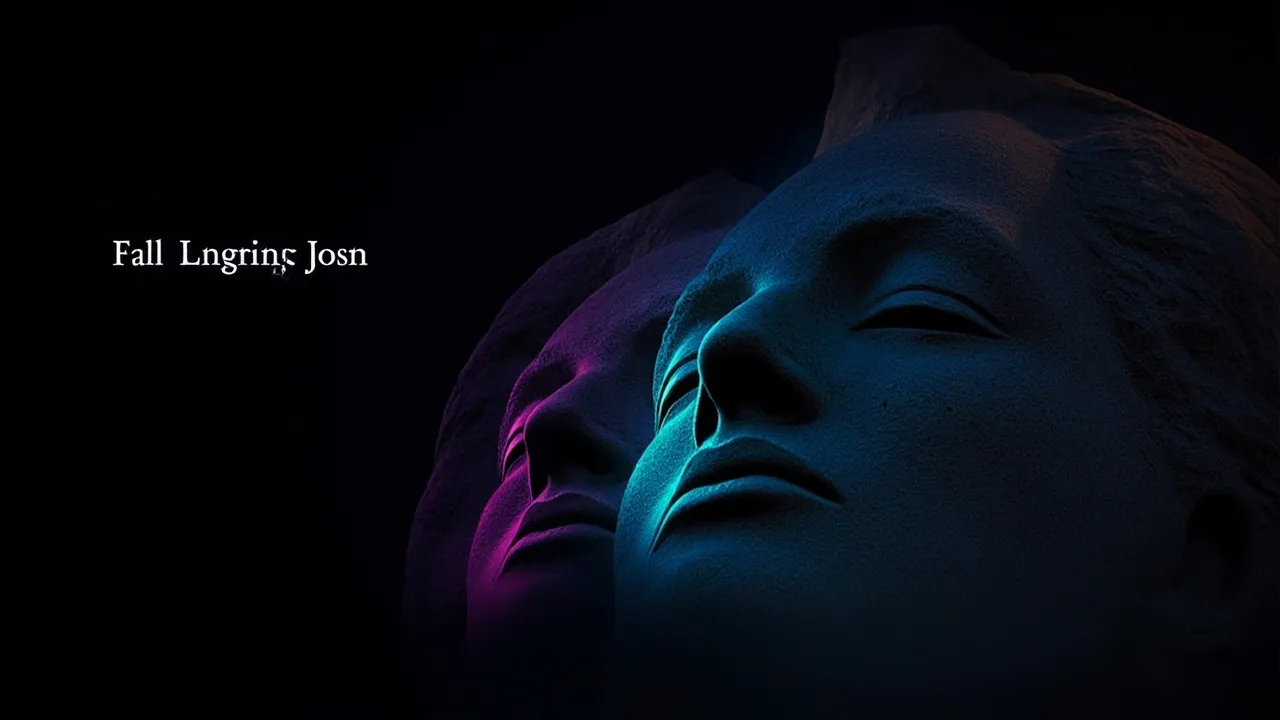
Carved into the side of a massive granite boulder was a human face. Not natural, not accidental—this was clearly intentional. Someone, centuries or millennia ago, looked at this rock and decided to create something meaningful.
The face itself is modest in size—roughly 10.5 inches long and 8 inches wide. But size isn't everything, right? According to Sergey Yarygin, a scientist at the Alkey Margulan Institute of Archaeology, this carved visage has "large eyes, a long straight nose, and protruding lips." I don't know about you, but I'm already picturing this stern, ancient figure staring out from the stone, waiting for someone to finally notice it.
The firefighters did exactly what I'd hope they'd do: they reported it. The local museum and the Ministry for Emergency Situations got involved, and suddenly what started as a routine patrol became something much bigger.
It's Never Just One Thing
Here's where it gets interesting (and by "interesting," I mean "confusing for archaeologists everywhere").
The face wasn't alone. Researchers later realized it was part of something much larger—a whole sacred complex that includes mounds, a menhir (those tall standing stones you've probably seen in pictures from England and France), a stone wall, and what looks like an ancient quarry.
So our intrepid firefighters basically found the front door to something that ancient communities considered important enough to build around.
"The face is clearly visible," Yarygin noted, adding that "Kazakh archaeology not only enriches the scientific world with its remarkable discoveries but also reveals the main stages of the ancient and medieval development of Kazakhstan society."
Pretty cool, right? But here's where things get spicy.
The Dating Drama
And now for the plot twist that every good mystery needs: nobody can agree on how old this thing is.
Let's break down what different experts are saying, because it's genuinely all over the place:
Option 1: Bronze Age (around 3000-1200 BCE). Similar carvings have been found at Bronze Age sites across Central Asia and Western Europe.
Option 2: Iron Age southern Siberia vibes, maybe mixed with medieval Turkic cultural influences.
Option 3: Sixth to ninth century CE. This comes from Akmola regional heritage authorities, who published findings in October 2025.
Option 4: Second millennium BCE—but only for the nearby stone stele with a deer petroglyph. The face? Still a question mark.
Wait—there's also a stele involved? Yep. Apparently, there's a separate stone monument at the site with a deer carved into it, which researchers think might be even older than the face.
So we've got:
- One carved face
- One carved stele
- Possibly two (or more?) different time periods
- Multiple expert opinions
- Everyone slightly disagreeing
Honestly? This feels very on-brand for archaeology.
Why Does This Matter?
I know what you might be thinking: "So they found an old rock face. Cool, I guess?"
But here's why I'm genuinely excited about this:
First, it reminds us that history is everywhere. These firefighters weren't looking for ancient monuments—they were just doing their jobs. The past is literally buried under our feet, waiting for someone to notice.
Second, this discovery shows us that Kazakhstan has a deep, rich history that often doesn't get the attention it deserves. We're talking about communities that were building sacred complexes, creating art, and leaving their mark on the landscape thousands of years ago.
And third? I love that this is unresolved. Not everything in archaeology has neat answers. Sometimes the mystery is the point. It means there's more work to do, more questions to ask, more stories waiting to be uncovered.
What's Next?
The good news is that authorities aren't letting this slip through the cracks. The site has been placed under state protection as an identified heritage object while officials figure out the next steps. There's talk of preservation efforts, further study, and ways to share this discovery with the scientific community and the public.
Eventually, maybe we'll know exactly when this face was carved and why. Maybe we'll figure out who's depicted—human? deity? ancestor? Something else entirely?
Or maybe we'll just have more questions. And honestly? I'm okay with that.
The Takeaway
Here's my favorite part of this whole story: sometimes the most important discoveries come from the most unexpected people. Nursultan and Akhmet weren't archaeologists. They weren't researchers with PhDs and grant funding. They were just two people paying attention during what was supposed to be a boring patrol.
The universe rewarded them for it.
So next time you're out for a walk, hiking, or just going about your day—maybe keep your eyes open. History might be closer than you think. And you never know when you might become an archaeologist for a day.
Now if you'll excuse me, I'm going to stare at some rocks suspiciously for the rest of the afternoon. Just in case.
Inspired by discoveries in northern Kazakhstan. Have you ever stumbled upon something unexpectedly historic? I'd love to hear about it—drop a comment below!