
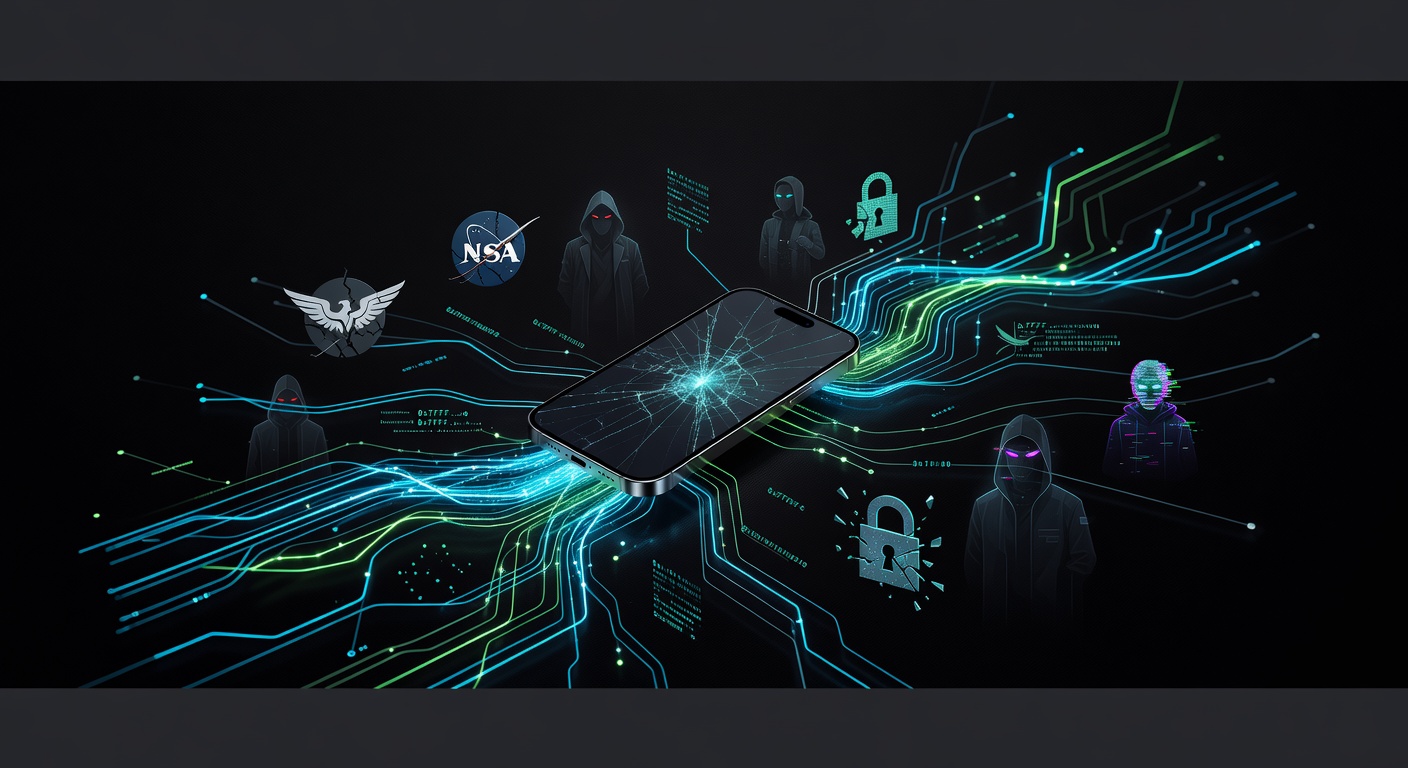
The Digital Pandora's Box Just Opened
Hey everyone! Today I want to talk about something that perfectly illustrates why cybersecurity isn't just for tech nerds anymore – it affects all of us. According to recent reports, a powerful iPhone hacking toolkit called "Coruna" that was likely developed by or for US government agencies has somehow found its way into the hands of people we definitely don't want having it.
Think of it like this: imagine the government developed a super-sophisticated lock pick that could open any door in your neighborhood. Now imagine that lock pick got stolen and is being sold on the black market. That's essentially what we're dealing with here, except the "locks" are our smartphones.
Why Should You Care About Government Hacking Tools?
I know what you might be thinking: "I'm not doing anything wrong, so why should I worry about government surveillance tools?" But here's the thing – when these tools leak out, they don't just stay with the good guys.
The problem with digital weapons is that they're incredibly easy to copy and share. Unlike physical weapons, you can't track every copy of a software exploit. Once it's out there, it's out there forever.
These iPhone hacking toolkits are particularly concerning because:
- They can bypass many of the security measures Apple has built into iOS
- They often work silently in the background without users knowing
- They can potentially access everything from your photos to your location data
- They represent years of research and development that criminals couldn't create on their own
The Bigger Picture: A Pattern We've Seen Before
This isn't the first time government-grade hacking tools have leaked into the wild, and it won't be the last. Remember the WannaCry ransomware attack that hit hospitals worldwide? That used leaked NSA tools. The pattern is becoming worryingly familiar:
- Government develops powerful cyber weapon
- Tool gets leaked, stolen, or reverse-engineered
- Bad actors use it against innocent people
- Everyone scrambles to patch the vulnerabilities
It's like watching the same movie over and over again, except each time the consequences get more serious.
What This Means for iPhone Users
The good news? Apple has a pretty solid track record of patching vulnerabilities quickly once they're discovered. The company has also been increasingly vocal about privacy rights and fighting back against surveillance overreach.
The not-so-good news? If you're not keeping your iPhone updated, you could be vulnerable to these kinds of attacks. I can't stress this enough – those software updates aren't just about new emoji and features. They're often critical security patches.
The Ethics of Government Hacking
Here's where things get really interesting from a policy perspective. There's an ongoing debate about whether governments should be stockpiling these kinds of vulnerabilities or reporting them to companies like Apple so they can be fixed.
On one hand, law enforcement argues they need these tools to catch criminals and terrorists. On the other hand, every vulnerability that exists can potentially be exploited by the bad guys too.
My take? The risk of these tools being misused almost always outweighs their legitimate benefits. When government agencies hoard vulnerabilities instead of helping fix them, they make all of us less secure.
Protecting Yourself in an Insecure World
So what can you actually do about all this? Here are some practical steps:
- Keep your devices updated – seriously, enable automatic updates
- Be skeptical of suspicious links and downloads
- Consider using encrypted messaging apps for sensitive conversations
- Don't assume your phone calls and texts are private
- Support companies that prioritize user privacy and security
The Road Ahead
The cybersecurity landscape is only getting more complex. As our lives become increasingly digital, the stakes of these security breaches keep getting higher. We need better policies around how governments develop and use cyber weapons, more transparency about what tools are being used, and stronger international cooperation to prevent these kinds of leaks.
But most importantly, we need to stay informed and engaged. These aren't abstract technical issues – they're fundamental questions about privacy, security, and power in the digital age.
What do you think? Should governments be developing these kinds of hacking tools in the first place? Let me know in the comments – I'd love to hear your perspective on this thorny issue.
Stay safe out there, and keep those devices updated!
Source: https://www.wired.com/story/coruna-iphone-hacking-toolkit-us-government