
The World's Most Important Shortcut Just Got Complicated
Picture this: you're driving to work and your usual 20-minute route is suddenly blocked by construction. No big deal, right? You take the detour, maybe add 10 minutes to your commute. Now imagine that happening to massive cargo ships carrying everything from your morning coffee to your smartphone components – except instead of 10 extra minutes, we're talking about weeks of additional sailing time.
That's essentially what's happening in global shipping right now, and it's way more fascinating (and concerning) than most people realize.
Why Everyone's Talking About the Red Sea
The Red Sea and the Suez Canal have always been like the world's most valuable highway. This narrow waterway connects Europe to Asia without ships having to sail all the way around Africa – saving about 10 days and thousands of dollars in fuel costs. It handles roughly 12% of global trade, which is absolutely massive when you think about it.
But here's the thing about crucial chokepoints: when they become unstable, the entire system feels it immediately. Recent tensions and security concerns in the region have made many shipping companies decide it's just not worth the risk to use this route anymore.
The Great Maritime Detour
So what happens when ships can't use their favorite shortcut? They do what we'd all do – find another way, even if it's much longer.
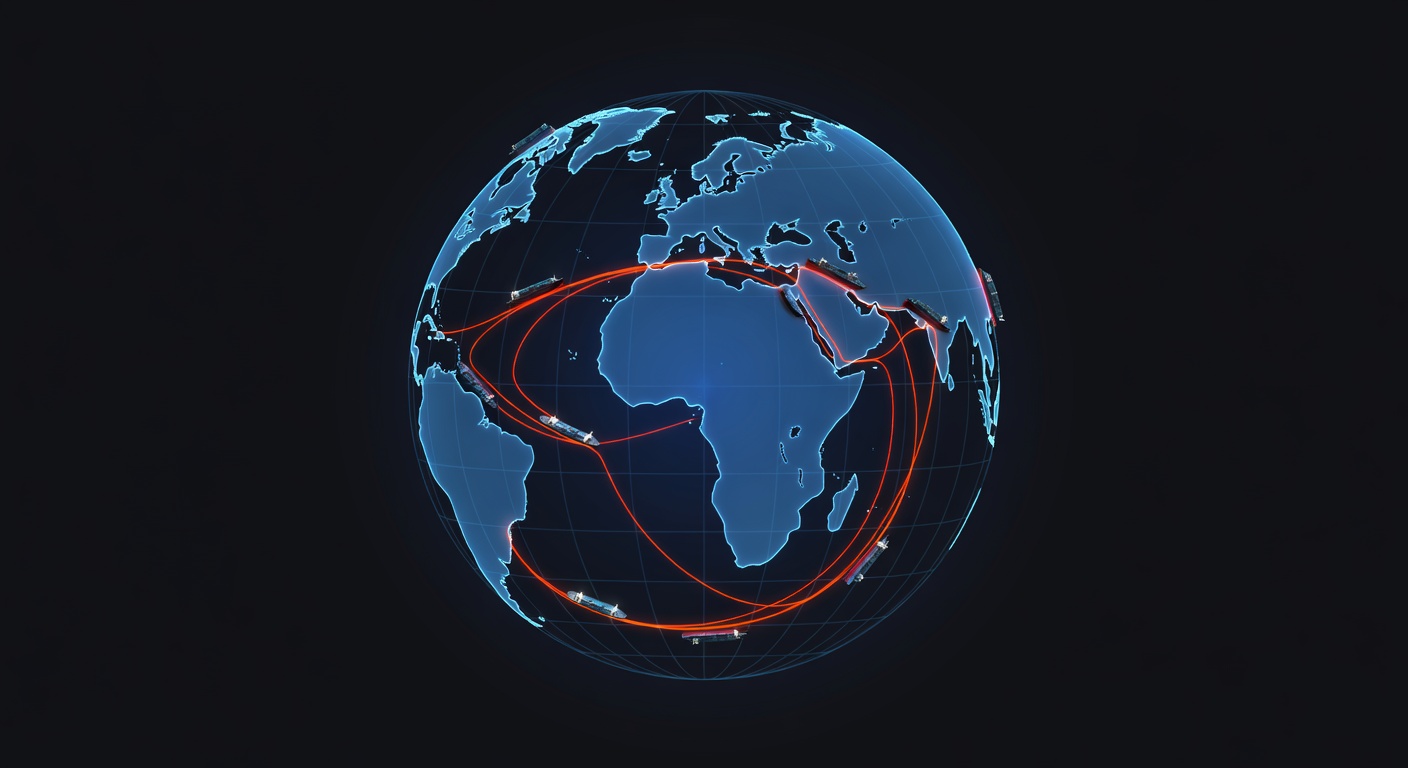
Major shipping companies are now routing their vessels around the Cape of Good Hope at the southern tip of Africa. It's like if your usual route to the grocery store was blocked, so you decided to drive through three neighboring states instead. The journey time from Asia to Europe basically doubles, and fuel costs skyrocket.
I find it mind-boggling that in our hyper-connected world, we're still so dependent on these narrow waterways that were crucial hundreds of years ago. It really shows how geography still rules global commerce, despite all our technological advances.
The Domino Effect Nobody Saw Coming
Here's where it gets really interesting (and a bit scary): this isn't just about ships taking longer routes. The ripple effects are hitting everywhere:
Shipping Costs Are Going Nuts: When routes get longer and riskier, shipping companies pass those costs directly to manufacturers and retailers. Guess who ultimately pays? Yep, us.
Supply Chain Tetris: Companies that rely on "just-in-time" delivery are scrambling. When your carefully orchestrated supply chain suddenly has an extra 2-3 weeks of transit time, everything gets thrown off balance.
The Insurance Game: Maritime insurance premiums are spiking because insurers hate uncertainty. Ships traveling through potentially risky areas or taking much longer routes represent higher risks all around.
Why This Matters More Than You Think
What really strikes me about this situation is how it exposes just how fragile our globalized economy really is. We've built this incredibly efficient system that depends on everything going smoothly, but when one crucial link gets disrupted, the whole thing starts wobbling.
It's also a reminder that for all our talk about digital transformation and virtual everything, we still live in a very physical world. Your Amazon package, your car parts, your clothing – it all has to physically move from point A to point B, often crossing oceans to get there.
The Silver Lining (There's Always One)
If there's a positive side to this chaos, it's that it's forcing companies to think more seriously about supply chain resilience. Many businesses are realizing they've been too dependent on single routes or suppliers, and they're starting to diversify.
Some companies are also investing more in regional supply chains, which could actually be better for everyone in the long run – shorter shipping distances, reduced carbon emissions, and less vulnerability to these kinds of disruptions.
What Comes Next?
The shipping industry has always been remarkably adaptable – it has to be. Ships will keep finding ways to deliver goods, even if it means longer routes and higher costs. But this situation is yet another wake-up call about how interconnected and fragile our global systems really are.
As consumers, we might not notice immediate empty shelves, but we'll likely see the effects in pricing and availability over the coming months. It's a reminder that global events, even ones that seem distant, have a way of showing up in our daily lives in unexpected ways.
The next time you see "shipped from" on a product description, you might find yourself wondering: did this take the scenic route around Africa to get here?
Source: https://www.wired.com/story/iran-war-global-supply-chain-chaos