
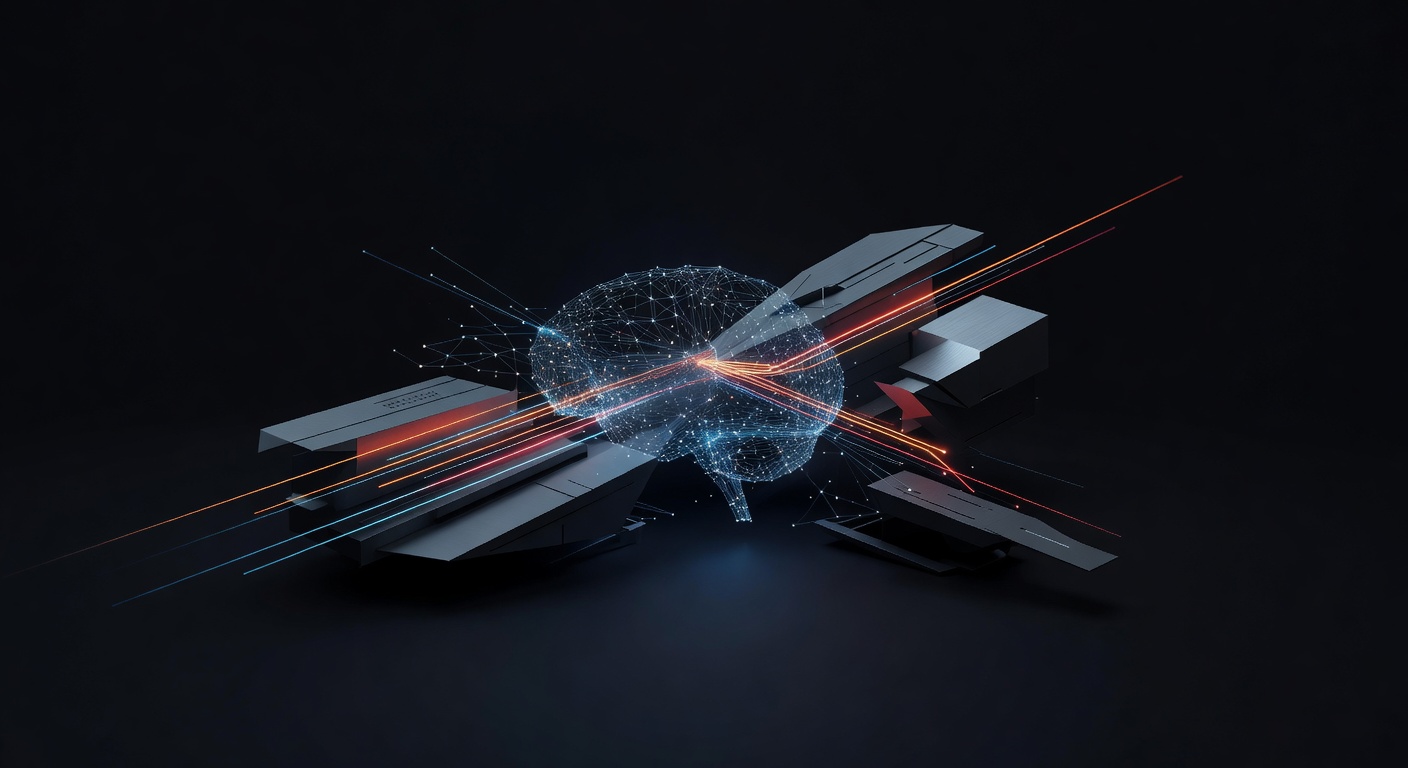
The Other AI Revolution
We spend so much time talking about AI chatbots, image generators, and whether robots will take our jobs that we sometimes forget there's an entirely different AI arms race happening. And this one isn't about making better memes or helping with homework.
I'm talking about military AI – the kind that's designed not to entertain us, but to give countries strategic advantages in conflicts. Companies like Palantir Technologies are at the forefront of this movement, and their recent developer conference shed light on just how sophisticated these systems are becoming.
What Makes Military AI Different?
Here's the thing that makes military AI fundamentally different from the consumer AI we're used to: speed and stakes. When you're asking ChatGPT to write a poem, it's okay if it takes a few seconds to think. When you're trying to identify threats on a battlefield or coordinate defense systems, milliseconds matter.
Military AI systems are built to process massive amounts of real-time data – satellite imagery, communications intercepts, sensor readings from drones, troop movements – and turn that into actionable intelligence faster than any human analyst ever could. It's like having a super-powered crystal ball that can predict what your opponents might do next.
The Uncomfortable Questions
But here's where it gets tricky, and why I think we need to pay more attention to this space. When we put AI in charge of military decisions, we're essentially creating autonomous systems that can influence life-and-death situations. That's... a lot of responsibility for algorithms that we don't always fully understand.
Think about it this way: if your Netflix recommendation algorithm gets it wrong, you waste two hours on a bad movie. If a military AI system makes a mistake, the consequences are exponentially more serious.
The Human-in-the-Loop Debate
Companies like Palantir often emphasize that their systems keep "humans in the loop" – meaning there's always a person making the final decisions. But as these AI systems become more sophisticated and faster, I wonder how meaningful that human oversight really is.
If an AI system processes thousands of data points in seconds and recommends a specific action, does the human operator have enough time or information to truly second-guess it? Or do they just become a rubber stamp for algorithmic decisions?
Why This Matters for Everyone
You might think, "Well, I'm not in the military, so this doesn't affect me." But that's not quite true. The AI technologies developed for military use often find their way into civilian applications. GPS, the internet, and voice recognition all started as military projects.
Plus, as more countries develop these capabilities, it changes the entire landscape of international relations and conflict. We're moving toward a world where the country with the best AI might have decisive advantages that go far beyond traditional military hardware.
Looking Forward
I'm not saying military AI is inherently good or bad – that's a much bigger philosophical discussion. But I do think we need to be having more open conversations about it. Right now, most of these developments happen behind closed doors, with limited public oversight or discussion.
As someone who's fascinated by technology's potential to solve problems, I also worry about unintended consequences when we move too fast without enough safeguards. The same AI that could help prevent conflicts might also make new types of conflicts possible.
What do you think? Should there be more public discussion about military AI development? Are we moving too fast, or not fast enough compared to other countries? I'd love to hear your thoughts in the comments.