
Why AI Models Are Getting Smarter Without Getting Bigger (The MoE Revolution)
For years, the AI world has followed a pretty straightforward playbook: want a smarter model? Just make it bigger. Throw more data at it, add more parameters, and watch the magic happen. It worked brilliantly too – we went from tiny models with millions of parameters to absolute giants with hundreds of billions.
But here's the thing: that approach is starting to hit some serious walls.
The "Bigger is Better" Problem
Think about it like this – imagine if the only way to make cars faster was to make them heavier. Sure, you could add bigger engines, but eventually you'd end up with something so massive it could barely move. That's essentially what's happening with traditional AI models.
These massive "dense" models (where every part of the model activates for every task) are becoming:
- Ridiculously expensive to train (we're talking millions of dollars)
- Super slow to respond (nobody wants to wait 30 seconds for ChatGPT to think)
- Memory hungry monsters (requiring server farms just to run)
The industry needed a smarter approach, and that's where Mixture of Experts swoops in to save the day.
Enter the Mixture of Experts: The Smart Solution
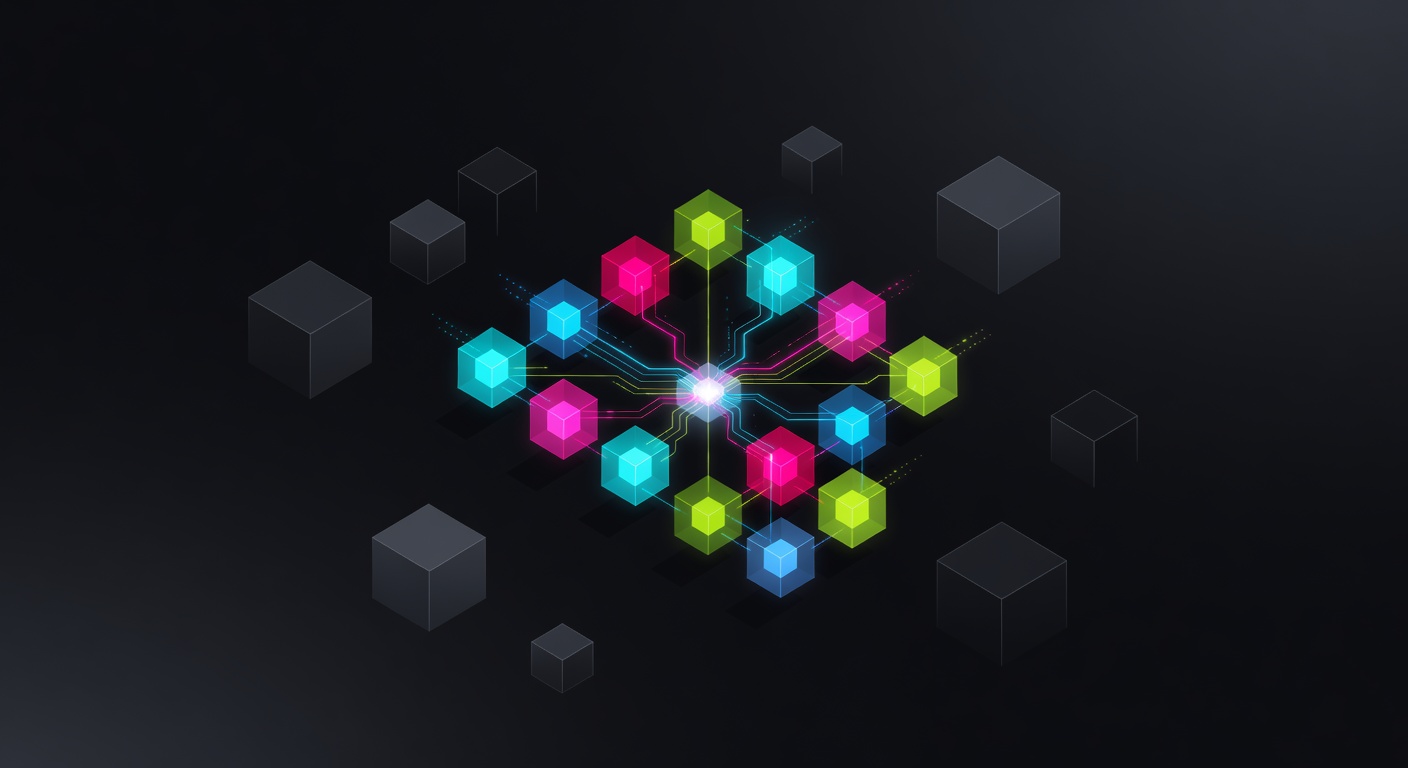
Here's what makes MoE so clever – instead of having one giant brain doing everything, you create a team of smaller, specialized "expert" brains. Each expert gets really good at handling specific types of problems.
It's like having a hospital where instead of one doctor trying to handle everything from brain surgery to broken bones, you have specialists. When a patient comes in, a smart routing system (called a "gating network") decides which expert is best suited for that particular case.
Why This Changes Everything
The beauty of MoE models is that they give you the best of both worlds:
Smarter Performance: By having specialized experts, the model can actually perform better than a dense model of the same size.
Way More Efficient: Only a few experts activate for each task, so you're not wasting computational power on parts of the model that aren't needed.
Faster Responses: Less computation per task means quicker answers for users.
The Real-World Impact
This isn't just theoretical – MoE models are already making waves in the real world. Companies are finding they can build models that rival the performance of much larger systems while using a fraction of the resources.
For developers and businesses, this means AI becomes more accessible. You don't need Google-level infrastructure to run sophisticated models anymore.
What's Next?
I think we're just scratching the surface of what's possible with MoE architectures. As the technology matures, I expect we'll see even more creative applications – maybe models where different experts specialize in different languages, or different types of reasoning.
The shift from "bigger is always better" to "smarter is better" represents a fundamental change in how we think about AI development. And honestly? It's about time. The future of AI isn't just about raw size – it's about intelligent design.
What do you think about this shift in AI development? Are you excited about more efficient models, or do you think there are downsides to this approach? Let me know in the comments!
Source: https://huggingface.co/blog/moe-transformers