
Okay, I have to admit—this story made me laugh out loud, then immediately feel concerned about the future of cheese.
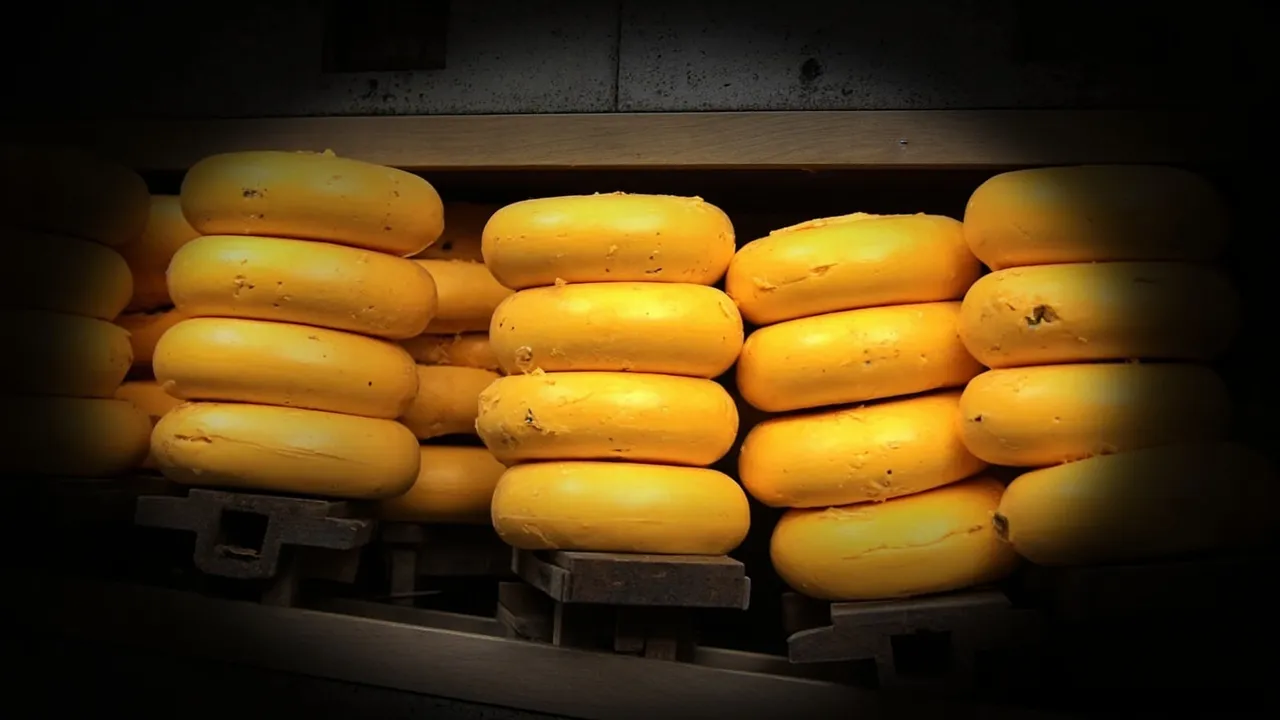
Here's the deal: Credito Emiliano, an Italian bank most people just call Credem, has been accepting wheels of Parmigiano Reggiano as collateral for loans to dairy farms since the 1950s. Think about that for a second. This isn't some quirky local tradition—this is a bank, with actual vaults, treating cheese like gold bars.
Why cheese as collateral? Well, making real Parmigiano Reggiano takes serious time. We're talking at least a year, sometimes several, for these wheels to mature properly. So dairy farms need cash flow while they wait for their cheese to age. Credem steps in, gives them 60-80% of the cheese's value upfront, and holds onto the wheels until they're ready to sell.
And these aren't just any warehouses. We're talking about climate-controlled vaults with x-ray scanners that check every wheel for defects, plus weekly inspections where experts literally tap the cheese with small hammers (apparently, you can hear if something's wrong). There are around 500,000 wheels sitting in two Northern Italian locations, worth roughly $350 million.
The Heat Is On—Literally
But here's where climate change gets personal. This summer's brutal European heatwave has been brutal on these vaults. Energy consumption to keep the cheese cool jumped 30% during the worst of it. Credem had to scramble, upgrading cooling systems, boilers, insulation, and even investing in renewable power infrastructure.
You might be thinking, "Just turn up the AC, right?" But it's not that simple. These wheels need precise conditions. Too warm, and the aging process goes wrong. Too cold, and the flavor development stalls. It's a delicate balance that climate change is throwing completely out of whack.
But It Goes Even Deeper
Here's the part that really got me. The problem isn't just about storing the cheese—it's about making it in the first place.
When temperatures climb, cows do what most of us want to do: they lie down and refuse to move. They eat less, they drink less, and milk production drops by about 10%. Plus, those legendary Italian grasslands in the five provinces that can produce authentic Parmigiano Reggiano? They're struggling with drought too. No rain means no grass. No grass means no hay. No hay means no milk.
"If it doesn't rain, grass doesn't grow, hay cannot be produced, and it's impossible to obtain the milk needed to make the cheese," Nicola Bertinelli, president of the Parmigiano Reggiano Consortium, told Reuters.
Let that sink in. Eight hundred years of cheese-making tradition, and it all comes down to grass growing in the right conditions.
What Does This Mean for the Rest of Us?
Look, I know what you're thinking: "Great, my fancy pasta is in trouble." But honestly, this story isn't really about cheese. It's about how climate change is sneaking into corners of our lives we never expected.
The folks in this industry aren't panicking yet—they say production isn't at immediate risk. But this summer exposed some serious vulnerabilities. Higher costs, more unpredictable supplies, and the looming question of whether extreme heat events will become the new normal.
Paolo Ganzerli, an international sales director, put it this way: "We don't want to be the last generation to eat it."
That hit me hard. We're not just talking about a premium ingredient becoming more expensive. We're talking about an entire cultural heritage, centuries of craftsmanship, and a agricultural ecosystem that depends on stable weather patterns.
The Bigger Picture
Here's what I keep coming back to: this is a bank that built an entire lending model around cheese. That's how important this product is to the Italian economy and culture. And now, the very climate that's making European summers longer and hotter is threatening to destabilize one of the world's most beloved foods.
The solution isn't just better cooling systems (though that's helping). It's the same boring, difficult stuff we've been hearing about for decades: moving away from fossil fuels, addressing climate change at its source. Except now the stakes aren't abstract. They're a wheel of cheese in a vault that's getting just a little too warm.
So next time you grate some Parmesan over your pasta, maybe take an extra moment to appreciate it. That tangy, nutty flavor represents a delicate balance between nature, tradition, and some very patient cows—and that balance is getting harder to maintain.
Source: https://www.popularmechanics.com/science/environment/a73476463/climate-change-cheese