
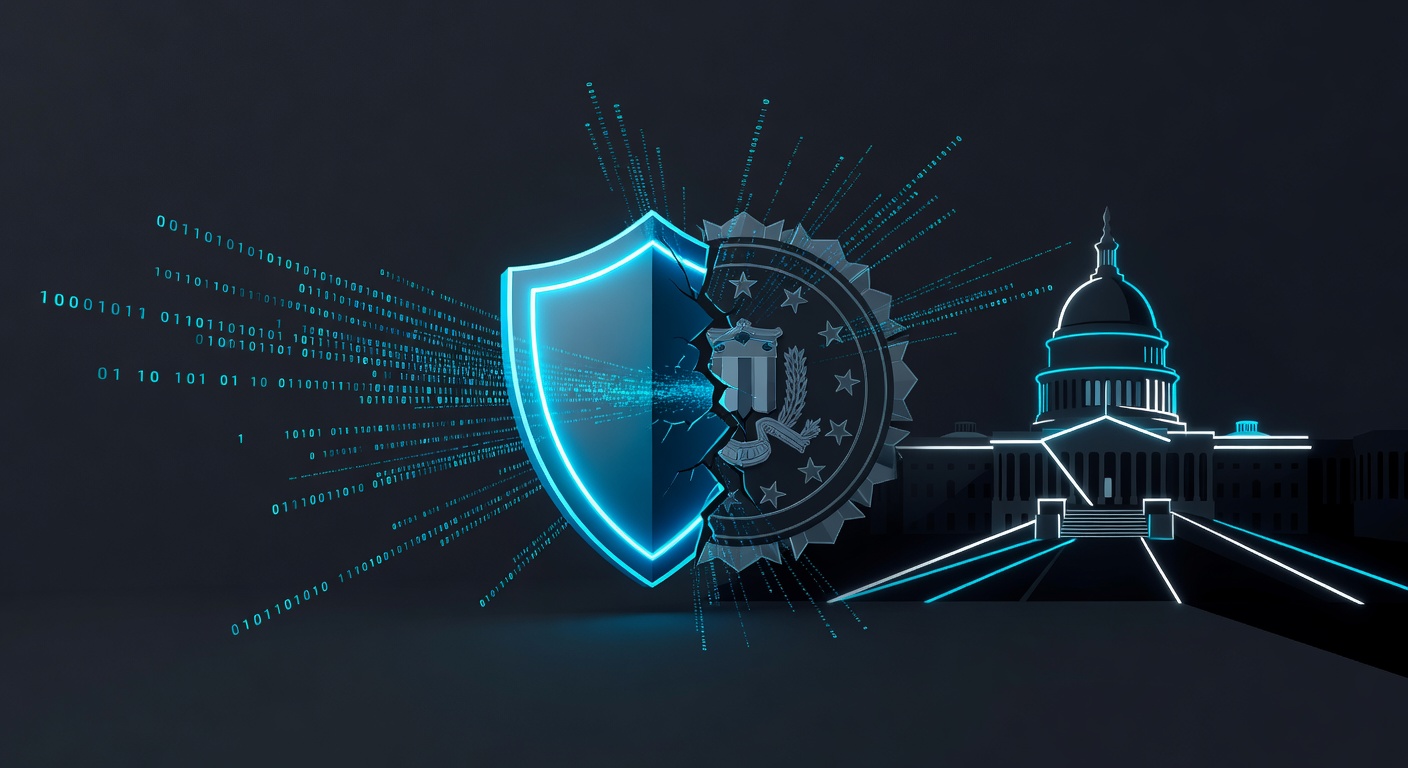
The Digital Privacy Battle That's Been Brewing for Years
Hey tech friends! 👋
I've been following digital privacy issues for years, and there's some genuinely exciting news brewing in Washington that could change how the government monitors our digital lives. Congress is finally pushing back against one of the FBI's most controversial surveillance powers – and honestly, it's been a long time coming.
What's All This About?
For those catching up, the FBI has had the ability to access certain wiretapped communications without getting a traditional warrant first. I know, I know – that sounds pretty sketchy when you put it like that, right?
Think of it this way: imagine if the police could listen to your phone calls just by saying "trust us, we have a good reason" instead of having to convince a judge first. That's essentially what's been happening in the digital realm.
Why This Matters to All of Us
Here's the thing that really gets me fired up about this issue – we're not talking about some abstract legal concept. This affects real people's privacy rights every single day.
The current system works like this:
- Intelligence agencies collect massive amounts of communication data
- The FBI can search through this data for Americans' communications
- They don't need a warrant for these "backdoor searches"
- Your emails, texts, and calls could be in there
As someone who writes about technology for a living, I can't stress enough how problematic this is. We willingly share so much of our lives through digital channels, and that data deserves the same constitutional protections as our physical belongings.
The Momentum is Building
What's really encouraging is that this isn't just a partisan issue. Lawmakers from both sides of the aisle are recognizing that surveillance powers expanded after 9/11 might have gone too far.
I've been watching this debate evolve, and there's a growing understanding that you can't have true digital freedom without proper oversight. It's refreshing to see politicians actually listening to privacy advocates and tech experts who've been sounding the alarm for years.
What Happens Next?
If these legislative efforts succeed, it would mean the FBI would need to get actual warrants before digging through Americans' communications. Revolutionary concept, right? 😅
But seriously, this could set a huge precedent for how we balance national security with individual privacy rights in the digital age. Other countries are watching too – America's approach to surveillance often influences global standards.
My Take on All This
Look, I'm not anti-law enforcement. I want our agencies to be able to keep us safe. But I also believe that in a free society, there need to be checks and balances on government power – especially when it comes to our most personal communications.
The beauty of requiring warrants isn't that it stops legitimate investigations. It's that it forces authorities to be accountable and specific about what they're looking for and why. That's not asking too much.
The Bigger Picture
This fight is really about what kind of digital future we want to live in. Do we want one where our government can peek at our private communications whenever they feel like it? Or do we want robust privacy protections that require transparency and judicial oversight?
I'm hopeful that we're moving toward the latter. Technology should enhance our freedom, not erode it.
What do you think? Are you following this story? Let me know your thoughts – I love hearing from readers about these important issues that affect all of us.
Stay curious, stay informed! 🚀
Source: https://www.wired.com/story/us-lawmakers-move-to-kill-the-fbis-warrantless-wiretap-access