
The Cordless Drill Glow-Up Nobody Saw Coming
Remember when cordless drills were those wimpy things that could barely handle hanging a picture? Yeah, those days are long gone. Modern cordless drills are legitimately powerful now—we're talking about machines that can muscle through concrete, zip through metal, and drive screws with the kind of force that would've required an air compressor fifteen years ago.
The wild part? They're also getting lighter, smarter, and weirdly, sometimes cheaper. It's actually a great time to buy one if you've been on the fence.
So What Makes One Drill Better Than Another?
Here's where it gets interesting. Power matters, but it's not everything. You've got raw torque (that's the twisting force), RPM (how fast it spins), weight, ergonomics, battery life, and honestly, whether the thing fits in your hand comfortably without making you feel like you're operating a jackhammer.
I started thinking about this differently when I realized: the most powerful drill in the world isn't useful if you can't actually control it or if your arm gets tired after ten minutes. It's like buying the loudest speaker for your bedroom—more doesn't automatically mean better.
The Sweet Spot: Compact But Mighty
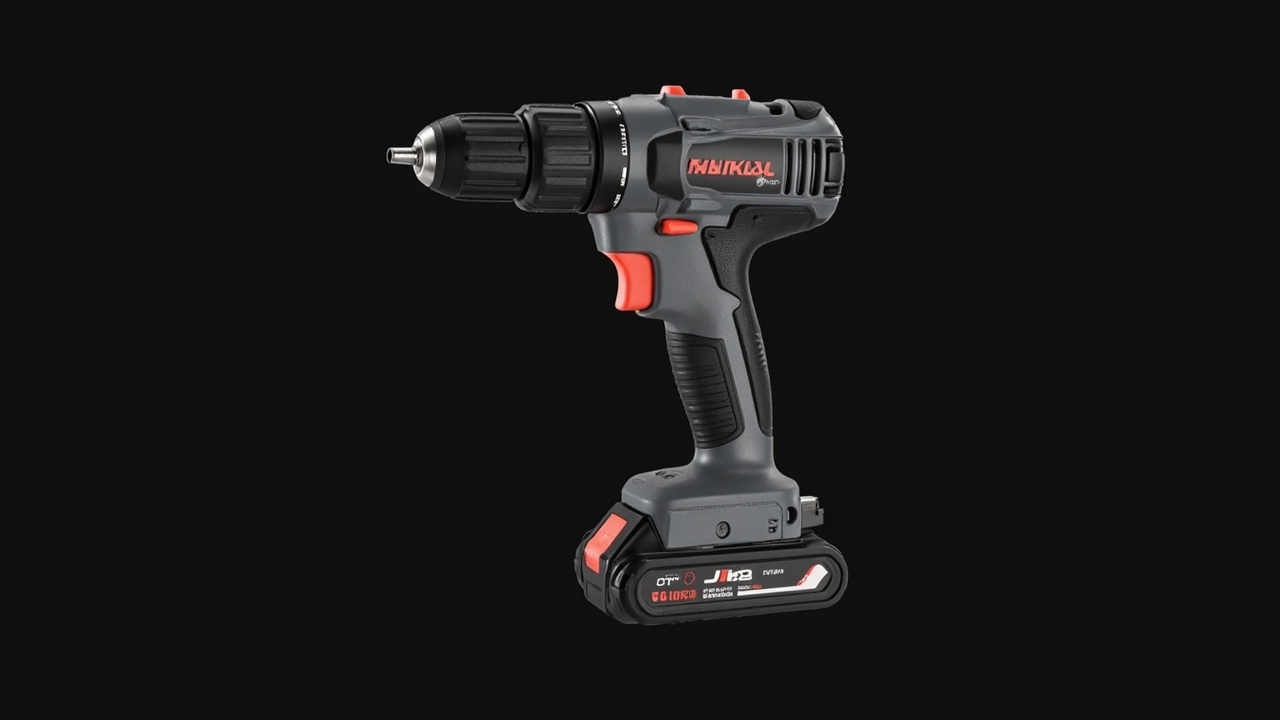
One thing that's genuinely changed the game is how manufacturers are cramming impressive performance into smaller packages. You can now get something that weighs under seven inches and around 3.3 pounds, yet still pumps out 1,400 inch-pounds of torque and hits 2,100 RPM. That's the kind of thing that makes you realize how far the technology has come.
The cool part about having multiple speed settings (something the really good ones offer) is that you're not locked into one power level. Need to carefully drive a delicate fastener? Turn it down. Need to bore through a thick piece of wood? Crank it up. It's like having three tools in one.
Budget Drills Are Actually Decent Now
This might sound wild, but you don't need to drop $300+ on a drill kit anymore. You can grab a solid 20-volt option for around $80 that'll handle most tasks around your house without complaining. It won't have all the fancy features, and it might not feel quite as premium, but it'll actually work.
The trade-off is real though—lighter-duty models sometimes struggle with repeated heavy jobs (like drilling multiple holes with wide spade bits), but for occasional home repairs and DIY projects? Totally fine.
The Concrete Problem (And How Modern Drills Handle It)
Here's where things get legitimately impressive. Cordless drills with hammer functionality can now chew through concrete. This used to be exclusively the domain of dedicated rotary hammers, but the technology has improved so much that a good cordless hammer drill can handle concrete work that would've seemed impossible just a few years ago.
That said, there's a spectrum here. Not all cordless drills are created equal when it comes to masonry. The more powerful 24-volt options will laugh at concrete that makes smaller drills nervous. But for a homeowner doing occasional work? An 18-20 volt drill with hammer action is probably enough.
My Honest Take
The best cordless drill for you isn't necessarily the most expensive one or the one with the most features. It's the one that:
- Fits your actual use case (Are you building decks or hanging shelves?)
- Doesn't feel like a brick in your hand
- Has enough power for your typical projects without overkill
- Fits your budget
- Comes from a brand where you can actually find batteries and bits when you need them
If you're doing light-to-medium home stuff, a solid 18-20 volt drill will serve you for years. If you're doing heavier professional work or tackling concrete regularly, bumping up to a 24-volt option makes sense. And if you just need something compact for occasional tasks, there's honestly no shame in going with the budget option.
The thing I'd caution against is buying the absolute cheapest drill you find on a tool aisle somewhere. There's a middle ground between budget and premium where you get genuine reliability without paying for features you'll never use. That's usually where the best value lives.
The Bottom Line
Cordless drills have gotten genuinely good, and the competition is pushing prices down while pushing quality up. Whether you're finally ready to tackle those projects you've been putting off or you just need a reliable tool that won't let you down, there's probably a great option waiting for you right now.
Just remember: the best drill is the one you'll actually use, not the one that looks the coolest or costs the most.