
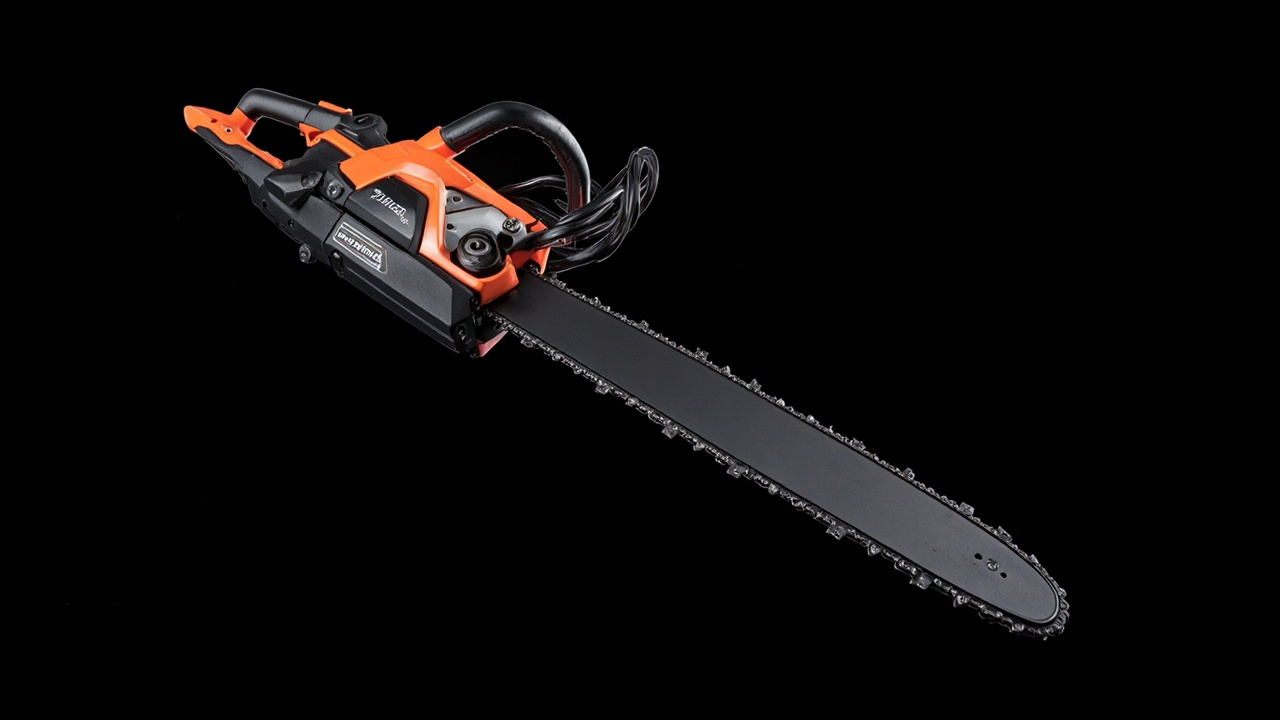
The Moment I Knew I Had to Change
Let me tell you about the last time I tried to start my old gas chainsaw.
There I was, ready to cut up some fallen branches after a storm, and I spent a solid fifteen minutes yanking that starter cord until my arm felt like it was going to fall off. Then came the flooding. Then more pulling. Then a lecture from my neighbor about how I was probably giving the whole neighborhood a headache with all that cranking.
Sound familiar?
That day was the day I decided to finally look into what electric chainsaws had become. And honestly? I wish I'd done it years ago.
What Makes Electric Chainsaws So Great?
Here's the thing about electric chainsaws that took me way too long to appreciate: they're just easier.
No gas to mix. No choke to figure out. No fumes floating into your garage (or your lungs). You press a button, pull a trigger, and—bam—you're cutting wood.
Modern electric chainsaws have come a long way from the weak, anemic tools they used to be. The battery technology these days is seriously impressive. We're talking 56-volt systems that can rip through an 8-inch log in just a few seconds. For most homeowners, that's more than enough power to handle everything from pruning branches to processing firewood.
And here's what really sold me: maintenance. With my old gas saw, I had to worry about the air filter, the spark plug, fuel stabilizers, and all sorts of other stuff that frankly went over my head. Electric? You charge the battery, check the chain tension once in a while, and that's pretty much it.
What to Look For
If you're thinking about making the switch, here's what matters most:
Power (measured in volts): Higher voltage generally means more cutting power. For most yard work, a 40V to 56V model will handle pretty much anything you throw at it. Save the big 20-inch bars for when you actually need to take down mature trees.
Bar length: Bigger isn't always better. A 14 to 18-inch bar works great for most home tasks. A 20-inch saw is heavier and harder to control—save that for serious tree work.
Chain tensioning: Some models let you adjust the chain without any tools. This sounds minor until you're out in the field with a loosening chain and no screwdriver in sight.
Weight and balance: You're going to be holding this thing for extended periods. A well-balanced saw makes a huge difference in fatigue levels.
Noise: Here's where electric really shines. Gas chainsaws are loud. Electric models are much quieter—some register as low as 67 decibels, which is roughly the level of normal conversation. Your ears (and your neighbors) will thank you.
The Tradeoffs to Consider
I'm not going to pretend electric chainsaws are perfect for everyone.
The biggest limitation is runtime. A gas saw can run as long as you have fuel. An electric saw runs until the battery dies, and then you either need a spare battery or you're done for the day.
For professional loggers or anyone doing serious, all-day cutting work, this might be a dealbreaker. But for most of us weekend warriors? A couple of batteries will cover a full afternoon of yard work without any issues.
Making the Switch Was Worth It
Look, I get it. There's something almost romantic about the old-school gas chainsaw—the smell of two-stroke mix, the mechanical roar, the feeling of using a "real" tool.
But you know what's more romantic? Finishing your cutting in ten minutes instead of spending half your Saturday fighting with equipment that doesn't want to start.
The technology in electric chainsaws has reached a point where they make sense for almost any homeowner who needs to keep a saw handy. They're cleaner, quieter, easier to use, and—just as important—they're genuinely fun to use in a way that gas saws never were.
If you've been on the fence about making the switch, consider this your gentle push. Your arms (and your neighbors) will thank you.