
The Chair That Came From Space (No, Seriously)
I'll be honest—when I first heard about "zero-gravity chairs," I thought it was just marketing fluff. Another trendy product with a cool name and zero actual substance. But then I learned where the concept actually came from, and my eyes kind of got opened.
Back in the day, NASA scientists were studying how astronauts' bodies naturally positioned themselves in weightless environments aboard Skylab (the first U.S. space station). They noticed something interesting: when your body isn't fighting gravity, it settles into this really specific posture that requires zero muscle tension to maintain. No hunching. No straining. Just... perfect alignment.
Someone eventually thought, "Hey, what if we made a chair that mimics that position here on Earth?" And honestly? Genius move.
So What's Actually Happening in These Chairs?
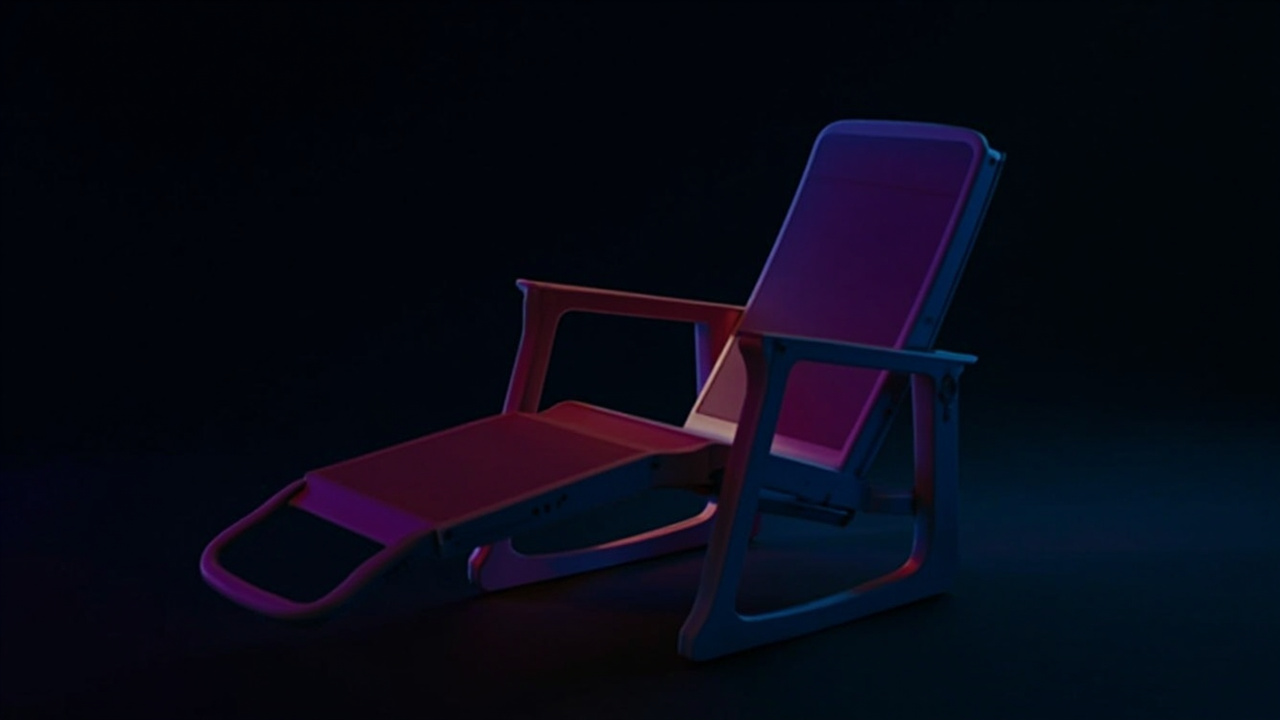
This isn't your typical lawn chair where you're basically lying flat or sitting upright at a 90-degree angle. Zero-gravity chairs do something different: they angle your torso back while simultaneously elevating your legs and knees above your heart level.
The magic is in the engineering—these chairs typically have hinges around your hip and knee areas, so they can recline smoothly into multiple positions. The seats are usually connected to the frame with bungee cords, which give you that nice cradling effect rather than a rigid surface. It's the kind of position that feels like it was specifically designed for your spine (because, scientifically, it kind of was).
The result? Your body isn't fighting to hold itself up. Your joints aren't under stress. It's actually pretty wild.
The Comfort Thing (Plus Some Real Health Perks)
Look, I'm not a doctor, and I'm not going to promise these chairs will solve all your problems. But there's legitimate reasoning behind why people rave about them.
When you're in that neutral body position, you're taking pressure off your joints and redistributing your weight more evenly. People dealing with back pain, joint stiffness, or just general physical tension often find these chairs genuinely comfortable for extended periods. Some folks use them during recovery from injuries. Others just really enjoy not feeling like their neck is constantly screaming at them.
The best part? You can actually adjust most zero-gravity chairs to find YOUR sweet spot. They're not locked into one position—you can recline them anywhere up to about 160 degrees and lock them in place.
What Makes a Good One?
I'll be real with you—there's a huge range in quality and price here. You can grab a basic set of two for around $60 each (and they're actually decent), or you can spend significantly more on premium options with cushioned padding and fancy features.
When you're shopping, here's what actually matters:
The frame matters. You want aluminum or alloy steel that won't rust. Something lightweight enough to move around, but sturdy enough to handle actual humans sitting on it repeatedly.
Material durability is everything. If you're leaving this outside, you need fabric that won't get destroyed by sun, rain, and general weather abuse. Quick-drying polyester is your friend here.
Weight capacity is real. This isn't a vanity thing—it's about whether the chair will actually last. A 350-pound capacity is better than 250 pounds, especially if you're buying something meant to last years.
Adjustability is key. Can you lock it at any position, or just a few preset angles? More flexibility means you can fine-tune it to YOUR body.
The little features add up. Cup holders, side tables, headrests, carrying straps—these seem minor until you're actually using the chair and realize you have nowhere to put your drink or phone. Then they become very important.
The Real Talk
Here's the thing about zero-gravity chairs: they're genuinely more comfortable than traditional outdoor seating for extended lounging. Whether you actually need one depends on your situation.
If you're someone who spends a lot of time outside and deals with any kind of back or joint discomfort, it's probably worth trying one. If you're just looking to upgrade your backyard setup and sit comfortably while you read or watch the sunset, absolutely go for it.
The space-age marketing is fun, but honestly? The engineering is the real story. NASA figured out how your body wants to sit, and now you can replicate that in your backyard for less than the cost of a decent dinner out.
Pretty cool, right?