
The Ocean's Slow-Motion Catastrophe
Picture this: you're standing on a beach, and the water is creeping higher with each passing year. It sounds dramatic, but it's literally happening right now, and it's one of the most concrete pieces of evidence we have that climate change is real and serious.
Sea level rise has become this unavoidable fact of life for coastal communities. It's not some distant, theoretical problem—it's something we can actually measure, and the measurements are showing us something increasingly alarming.
The Mystery That Wouldn't Go Away
Here's where it gets interesting from a science perspective. For years, something weird was happening in climate research. Scientists would measure how much the oceans were actually rising, and then they'd add up all the suspected causes—warming water, melting glaciers, melting ice sheets from Greenland and Antarctica—and the math didn't quite work out.
It's kind of like your bank account not balancing. You know money came in and money went out, but when you add it all up, something's missing. For climate scientists, this gap was genuinely frustrating because it meant they couldn't fully explain one of climate change's most serious consequences.
But now? A new international study published in Science Advances says they've finally solved it. And honestly, it's a relief for the scientific community.
The Numbers Tell the Story
Let me break down what's actually happening to our oceans:
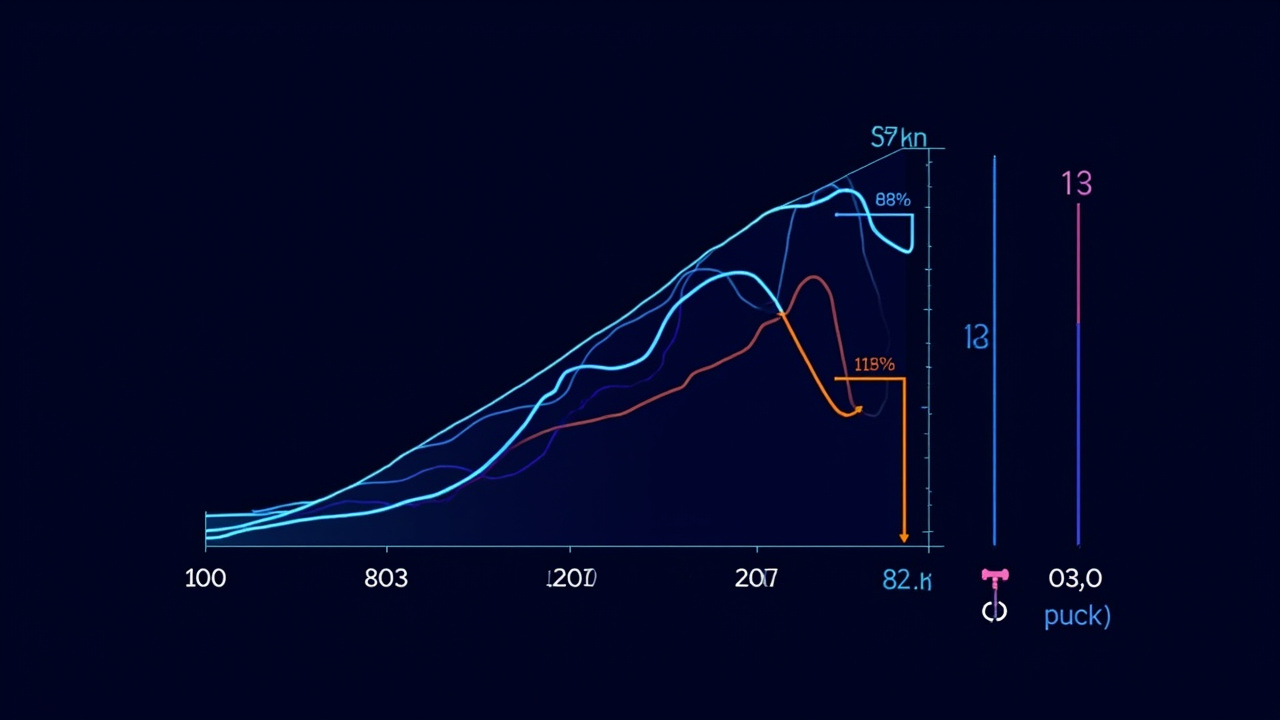
Since 1960, sea levels have risen an average of about 2 millimeters per year. That might sound tiny, but zoom forward to recent years, and things have gotten dramatically worse. Between 2005 and 2023, that rate nearly doubled to about 4 millimeters per year.
It's like watching something accelerate in slow motion—which, when you think about it, is kind of terrifying.
Who's Responsible for the Rising Seas?
The researchers pinpointed exactly what's driving this:
Ocean warming is the heavyweight champion, accounting for 43% of sea level rise since 1960. When water heats up, it expands—basic physics. And because we've put so much greenhouse gas into the atmosphere, our oceans have absorbed a massive amount of that heat.
Mountain glaciers are melting and contributing 27% of the rise. These aren't the massive ice sheets we hear about in the news—they're the smaller glaciers scattered around the world, and they're disappearing faster than we'd like.
Greenland's ice sheet is dumping 15% into the oceans, while Antarctica is responsible for another 12%. The remaining 3% comes from changes in how much water we're storing on land (things like reservoirs and groundwater).
Why It's Getting Worse
Here's the plot twist: the causes of sea level rise have actually changed over time.
In the earlier decades (1960-1993), ocean warming and changes in how we store water on land were the main culprits. But since 1993, the game has changed. Now it's the rapid melting of those massive ice sheets in Greenland and Antarctica that's really accelerating the problem.
This matters because it tells us the threat is evolving, and the mechanisms driving it are becoming more dramatic.
The Technology That Cracked the Case
So how did scientists finally close that frustrating gap in their understanding? Better tools and smarter thinking, basically.
They got improved satellite measurements—including corrections that accounted for changes that happened after 2015. They developed better ways to measure how the ground itself is moving at coastal tide gauge stations (because the land isn't perfectly still either). And they got more accurate data on how much ice is actually melting from those massive ice sheets.
It's a good reminder that science isn't always about discovering something completely new. Sometimes it's about getting better measurements and refining what we already thought we knew.
The Uncomfortable Truth
Here's what keeps climate scientists up at night: even if we stopped emitting greenhouse gases tomorrow—which, let's be honest, we're not going to do—sea level rise would keep happening for centuries.
The ocean absorbs heat incredibly slowly. That warmth keeps working its way deeper and deeper into the water, causing continued expansion for a really long time. And those massive ice sheets? They take centuries to fully respond to temperature changes. It's like trying to stop a freight train by turning off the engine—the momentum carries it forward for miles.
This planetary inertia is humbling and kind of scary. We're essentially locked into more sea level rise whether we like it or not. The best we can do is slow down how much worse it gets, but "stopping it entirely" is no longer an option on the table.
What This Actually Means
For people living in coastal areas, this research confirms what they're already experiencing: the water is coming, it's coming faster than it used to, and the problem isn't going away soon.
For the rest of us? It's a reminder that climate change isn't just about distant melting ice caps or abstract global temperatures. It has real, measurable consequences that affect real people and real places right now.
The good news is that we now understand the problem better. And sometimes, understanding is the first step toward figuring out how to adapt and survive what's coming.