
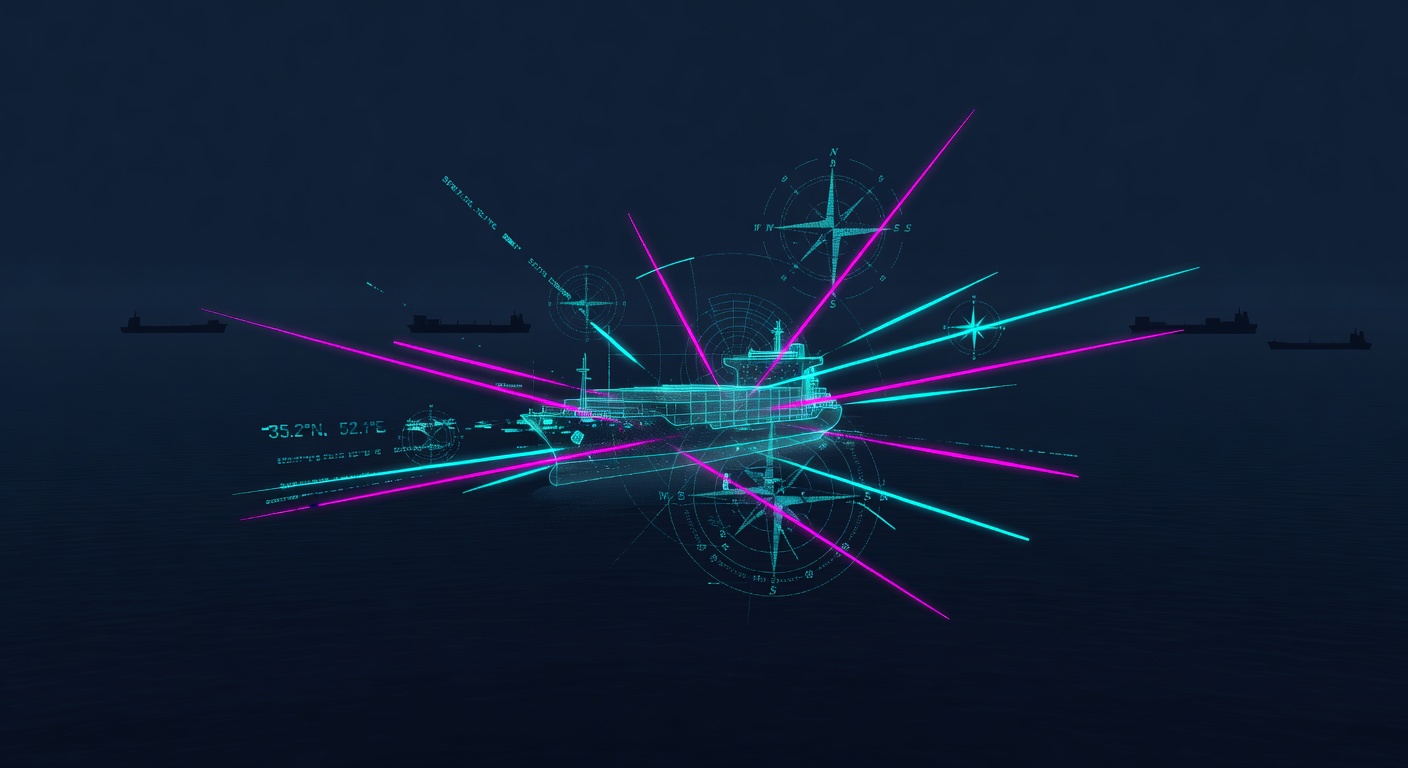
The Invisible War on Our Navigation Systems
Picture this: you're a captain steering a massive cargo ship through busy shipping lanes, and suddenly your GPS goes haywire. Your ship thinks it's hundreds of miles away from where you actually are, or maybe your navigation system just goes completely dark. Sounds like a nightmare, right? Well, this is becoming an all-too-common reality for ships passing through the Middle East.
What's Actually Happening Out There?
GPS jamming and spoofing attacks have been skyrocketing in the region, and it's not just a coincidence. These aren't random technical glitches — they're deliberate electronic warfare tactics being used as tensions between various nations reach new heights.
GPS jamming is pretty straightforward: bad actors flood the area with radio signals that overpower GPS satellites, essentially creating a "dead zone" where navigation systems can't function. Think of it like someone screaming so loud that you can't hear anything else.
GPS spoofing is more sinister. Instead of blocking GPS signals, attackers send fake ones that trick ships into thinking they're somewhere completely different. It's like someone moving all the street signs in your neighborhood to point in the wrong directions.
Why This Matters More Than You Think
Here's the thing that really gets me — we've become so dependent on GPS that many of us (including professional mariners) have forgotten how to navigate without it. When I think about how lost I get without Google Maps just driving to a new restaurant, I can only imagine the panic of a ship captain suddenly losing navigation in busy shipping lanes.
The economic implications are staggering. The Middle East is home to some of the world's most critical shipping routes. When ships can't navigate properly, they have to slow down, take longer routes, or even stop completely. This creates delays, increases costs, and can affect everything from oil prices to the cost of goods in your local store.
The Bigger Picture
What's particularly concerning is how this represents a new kind of warfare — one that's largely invisible to the public but incredibly disruptive to global commerce. Unlike traditional military actions, GPS attacks can be carried out with plausible deniability. It's hard to prove who's responsible, and the effects ripple out far beyond the immediate conflict zone.
This situation also highlights a critical vulnerability in our modern world. We've built our entire transportation and logistics network around GPS, but we haven't invested nearly enough in backup systems or alternatives. It's like building a house with only one door — when that door gets blocked, you're in trouble.
What Can Be Done?
The shipping industry needs to get serious about backup navigation systems. Some ships are already returning to traditional methods like celestial navigation and radar, but this requires training crews in skills that have been largely forgotten.
On a larger scale, we need international cooperation to address electronic warfare in civilian spaces. The fact that commercial ships are getting caught in the crossfire of geopolitical conflicts is unacceptable, but it's going to take coordinated diplomatic and technical efforts to solve.
Looking Forward
As someone who writes about technology every day, this situation reminds me that our most critical systems often have single points of failure we don't think about until it's too late. GPS seemed so reliable for so long that we forgot it could be vulnerable.
The current crisis in the Middle East might actually serve as a wake-up call for the global shipping industry to diversify their navigation methods and invest in more resilient systems. Sometimes it takes a crisis to force us to build better solutions.
What worries me most isn't just the immediate impact on shipping — it's what this represents about the future of warfare and how conflicts can now disrupt civilian life in ways we're only beginning to understand.
Source: https://www.wired.com/story/gps-attacks-on-ships-spike-amid-the-us-and-israeli-war-on-iran