
The Great Migration North
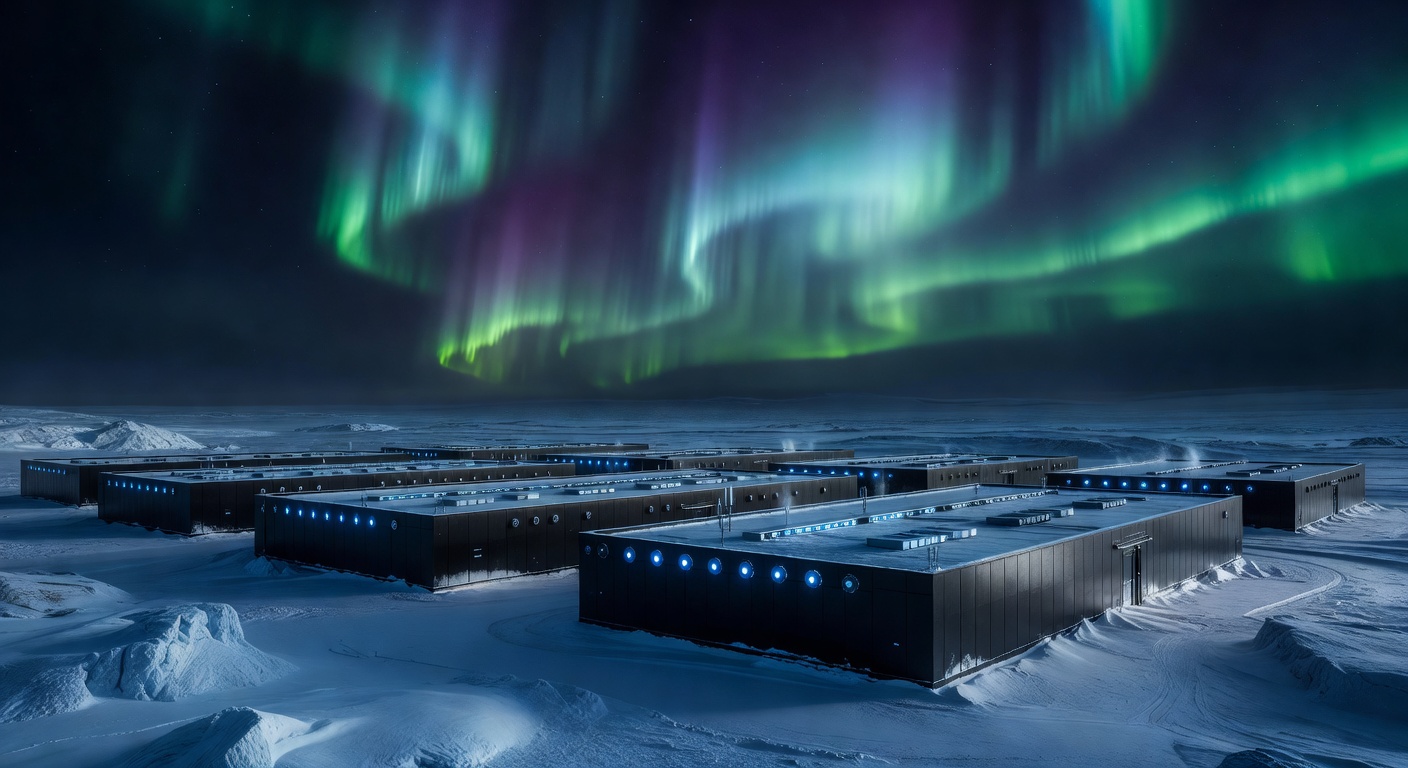
Picture this: massive warehouses filled with humming servers, sitting in some of the coldest places on Earth. It sounds like science fiction, but it's happening right now. Tech giants are packing up their data centers and heading north – way north – to places where winter lasts most of the year and the sun barely shows its face for months.
Why would anyone want to put their precious servers in such harsh conditions? Well, it turns out the Arctic might just be the perfect home for our digital future.
Nature's Free Air Conditioning
Here's the thing about data centers – they get really hot. All those servers working 24/7 to power our Netflix binges, store our photos, and run AI models generate enormous amounts of heat. In traditional locations, companies spend a fortune on massive cooling systems that can account for up to 40% of a data center's energy consumption.
But up north? Mother Nature provides free air conditioning year-round. When it's -30°F outside, you don't need expensive cooling systems – you just need good ventilation. It's like getting a permanent discount on your electricity bill.
The Green Angle Everyone's Talking About
This isn't just about saving money (though that's definitely part of it). Many Nordic countries run almost entirely on renewable energy. Iceland gets its power from geothermal and hydroelectric sources, while Norway and Sweden have abundant hydroelectric power.
For companies trying to meet ambitious carbon neutrality goals, this is a game-changer. Instead of running data centers on coal or natural gas, they can tap into some of the cleanest energy grids on the planet.
But Wait, There's a Catch
Before you start thinking this is all too good to be true, let me share some of the challenges. Building anything in the Arctic isn't exactly a walk in the park. You're dealing with:
- Extreme weather that can shut down construction for months
- Limited infrastructure – good luck getting high-speed internet cables to the middle of nowhere
- Higher upfront costs for specialized cold-weather equipment
- Skilled worker shortages in remote locations
Plus, there's the irony factor: moving data centers to pristine wilderness areas to be more "green" while potentially disrupting local ecosystems. It's complicated.
The AI Boom Changes Everything
With artificial intelligence exploding in popularity, the demand for computing power is going through the roof. Training a single large AI model can require the computational equivalent of what entire countries used just a decade ago.
This massive appetite for processing power is pushing companies to think creatively about where and how they build their infrastructure. The Arctic isn't just an option anymore – for many, it's becoming a necessity.
What This Means for You and Me
You might be wondering how servers sitting in igloos (okay, not really igloos) affect your daily life. Well, it could mean faster load times for your favorite apps, more reliable cloud storage, and maybe even lower costs for digital services as companies pass on their energy savings.
It's also a fascinating glimpse into how our digital world is reshaping the physical one. Who would have thought that the future of technology would involve moving closer to polar bears and reindeer?
The Bottom Line
The march to the Arctic represents something bigger than just a real estate decision. It's about finding sustainable ways to support our increasingly digital lives without cooking the planet in the process.
Sure, there are challenges and trade-offs, but I find it oddly poetic that some of our hottest technology might find its home in the coldest places on Earth. Sometimes the best solutions are the ones we never saw coming.
What do you think about this Arctic data center trend? Smart move or risky gamble? Let me know in the comments!