
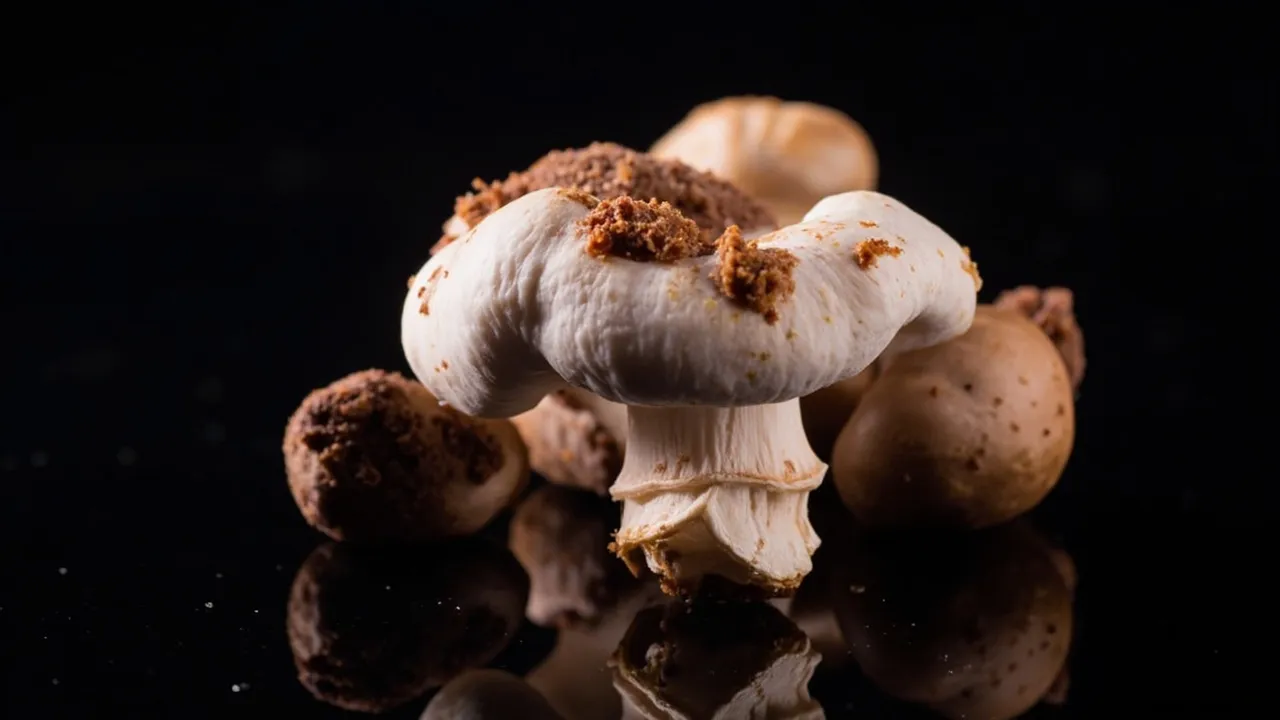
Ever wonder why sometimes your perfectly good-looking mushrooms turn spotty and sad before you even get a chance to cook them? Well, scientists have been scratching their heads over this exact problem for over 100 years — and they just figured out why it's been so darn difficult to solve.
Here's the deal: white button mushrooms (yes, those classic white mushrooms you probably have in your fridge right now) have been plagued by something called "bacterial blotch." It's exactly what it sounds like — ugly brown or yellow spots that appear on the mushroom surface, making them less appealing and harder to sell. For growers, this means lost money. For consumers like us, it means sometimes bringing home a product that looks far from fresh.
The Plot Twist Nobody Saw Coming
Here's what makes this story really interesting. For over a century, scientists assumed they were dealing with one sneaky bacterial villain causing all this trouble. Turns out? They've been completely wrong.
Researchers at the University of Florida recently did some deep-dive genetic analysis on mushrooms affected by this disease, and what they found was honestly kind of shocking: 17 different species of harmful bacteria were associated with the blotch! Not just one or two — we're talking a whole bacterial neighborhood causing chaos.
"Seventeen different species" hit me when I first read that. That's not a simple infection — that's like discovering your one-ant problem is actually an ant colony situation.
Why This Changes Everything
Think about it from a grower's perspective. If you knew you were fighting one specific enemy, you'd develop targeted weapons against it. But when you're dealing with 17 different bad actors, all with slightly different behaviors and weaknesses? That's a whole different ballgame.
The scientists found that while two well-known bacterial troublemakers were indeed present and causing problems, there was also this whole other group of bacteria flying under the radar that nobody had connected to the disease before. These sneaky little microorganisms were just... there... contributing to the problem while everyone focused on the usual suspects.
This complexity explains why treatments have been so hit-or-miss (and mostly miss, if we're being honest). When you develop a solution targeting one specific bacteria, you're leaving 16 others completely unbothered.
What Does This Mean for Your Grocery Bill?
Here's why this matters beyond just being scientifically fascinating. Bacterial blotch doesn't just make mushrooms look ugly — it can reduce crop yields and shorten how long mushrooms stay fresh on shelves. That means higher prices and more food waste.
And here's a fun (not really fun) detail: sometimes the spots don't even show up until after mushrooms have been shipped to stores or purchased by consumers. Imagine being a grower trying to maintain quality control when the problem only appears after you've already sent everything out. Frustrating doesn't begin to cover it.
The Good News
Scientists aren't throwing their hands up in defeat. In fact, this discovery is actually a huge step forward. Now that researchers know what they're really dealing with, they can develop better diagnostic tools to identify all the bacterial threats, not just the obvious ones.
There's even a $7 million USDA grant supporting researchers from multiple universities working together on sustainable solutions. That's the kind of collaborative science that actually gets things done.
The goal? Develop comprehensive detection methods and treatments that can handle the full bacterial gang, not just the usual suspects.
My Take
I love stories like this because they remind us that science isn't always about having all the answers — sometimes it's about asking better questions. For over 100 years, everyone assumed they knew what they were dealing with. One pathogen, one problem, one solution waiting to be found.
But nature rarely makes things simple, does it?
This research is a good reminder that when we're dealing with living systems — whether it's bacteria, ecosystems, or even human health — our assumptions can sometimes be way off base. The "obvious" answer isn't always the right one, and sometimes the real answer is hiding in plain sight, waiting for someone to look a little closer.
So next time you're at the grocery store picking up mushrooms, you might appreciate them just a little more. Behind those humble white buttons is a fascinating battle between farmers and bacteria that scientists are only now beginning to truly understand.
And honestly? That's pretty mushroom for thought. (I couldn't resist.)