
Let's Be Real: 3D Printers Have Been Terrible for Most of Us
Remember when you first heard about 3D printing? It sounded like the future. Then you actually tried to use one, and it felt like operating a temperamental laboratory experiment from the 1990s. Calibration nightmares. Software that feels like it was designed by someone who hates humans. Prints failing at 3 AM for mysterious reasons. Yeah, those days kind of sucked.
But something interesting has been happening lately. A few companies have started actually thinking about what regular people need instead of just making machines for hobbyists who have unlimited patience.
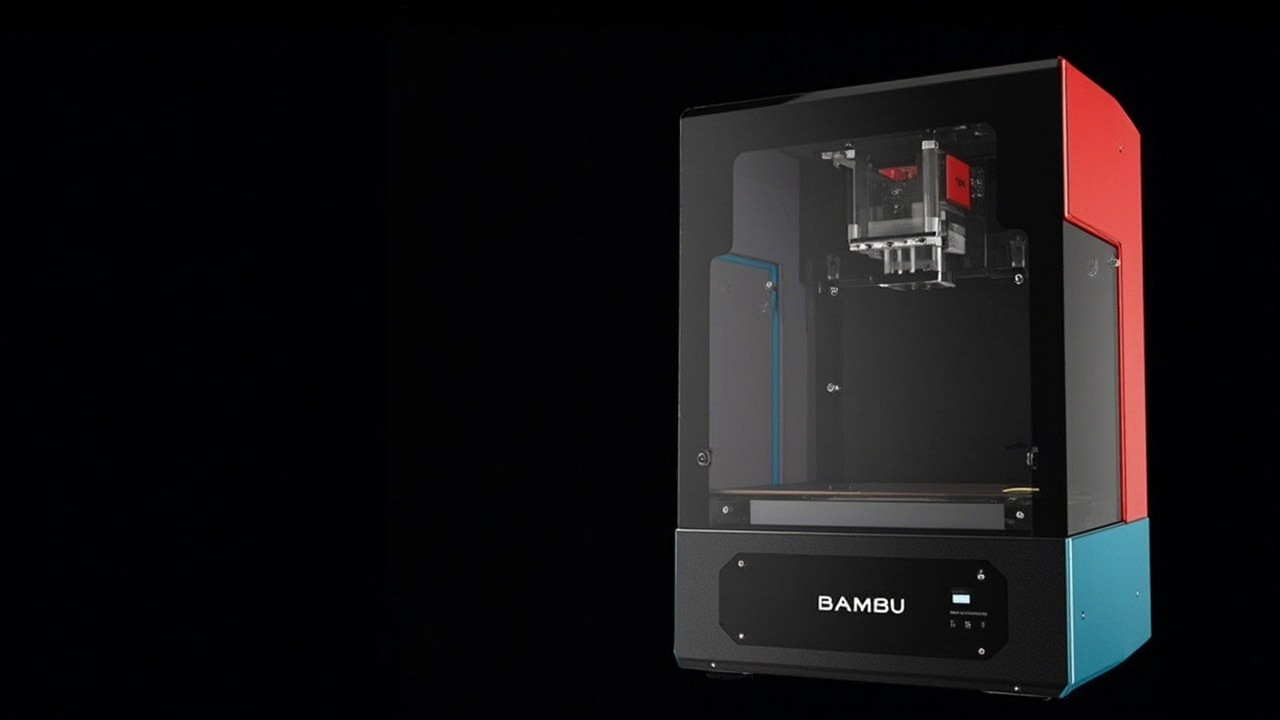
Enter the Bambu P2S: The "Just Works" Printer
The Bambu P2S arrived in the U.S. market last November, and it's positioned as the Goldilocks option—fancier than Bambu's entry-level A1, but not as expensive as their premium models. Here's the thing that immediately stands out: it actually feels designed for humans.
I'm not exaggerating when I say this is the most approachable 3D printer I've encountered. Seriously. The setup process doesn't make you want to pull your hair out. The basic operations are straightforward. Even remote printing—which sounds complicated—works smoothly. It's almost suspiciously simple.
The Bambu Ecosystem Strategy (Love It or Hate It)
Here's where things get interesting, and also where opinions get spicy. Bambu isn't just selling you a printer. They're selling you an entire ecosystem.
Their filament spools come with RFID chips. When you load one in, the printer automatically adjusts its settings to match that specific material's requirements. No more manual tweaking. They've got their "Maker World" platform loaded with models, tools, and projects. Want to print an RC car? They've got a one-click project that prints the parts AND ships you the motors and electronics you need to actually finish it.
Clever? Absolutely. Some people compare it to Apple's approach with the iOS App Store—beautiful, intuitive, and completely integrated. Which also means some creative freedom gets left on the cutting room floor.
Is it a "walled garden"? Yeah, kind of. Does that bother everyone? Depends who you ask.
The Test Results Speak for Themselves
Here's what matters though: when this printer got tested, it didn't mess around. Out of the box, it just worked. Like, genuinely worked.
The P2S was the only printer in testing that never threw connection problems at the user. And when prints failed (because this is still 3D printing, and failures happen), the machine actually noticed and paused itself instead of just creating a useless pile of failed plastic. You could jump in and fix the problem instead of discovering a disaster hours later.
The Mobile App Experience
I'll be honest, mobile apps for 3D printers usually feel like afterthoughts. You launch them, check the live camera feed, maybe adjust temperature by a degree, and feel like you've done something productive. Yawn.
Bambu's Handy app is different. It actually connects to Maker World, which means you can set up entire prints remotely from your phone. The app handles the slicing automatically. You literally don't have to touch your computer.
The weird part? I went into testing expecting to never use the app. Seemed unnecessary. Turns out it's actually useful, which is not something I say about manufacturer apps very often.
What This Means for the Future of Home 3D Printing
The fact that Bambu is making 3D printers that don't infuriate regular humans is kind of a big deal. For years, this technology felt like it was stuck in the "complicated gadget" zone. You needed patience, troubleshooting skills, and a genuine interest in tinkering.
The P2S represents something different: a printer that respects your time and doesn't assume you want to debug firmware issues for fun.
Sure, the ecosystem approach means you're buying into Bambu's vision of how 3D printing should work. You're not completely free to experiment and hack things. But the tradeoff is that the machine actually does what you want it to do, when you want it to do it.
For a lot of people, that's actually worth it.