
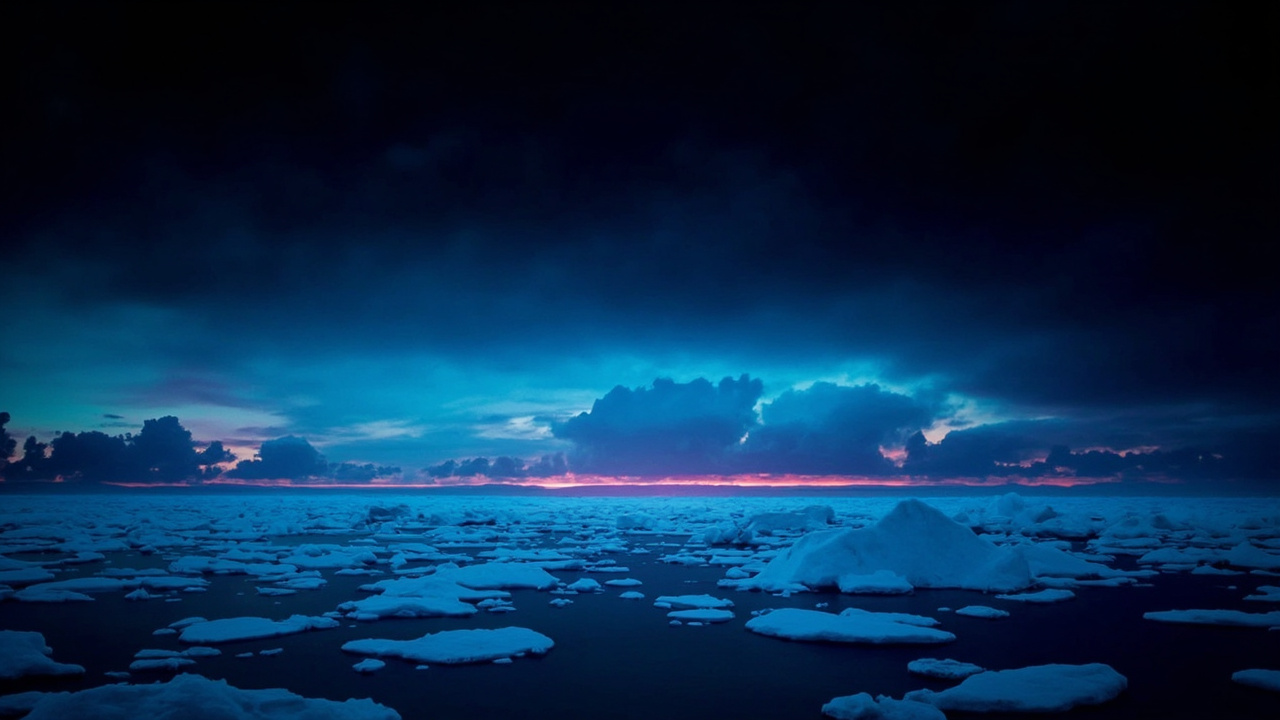
The Island That's Teaching Us About Climate Change
Imagine one of the most remote, windswept islands on Earth—halfway between Tasmania and Antarctica—suddenly becoming noticeably wetter and boggier. That's what's happening on Macquarie Island, a UNESCO World Heritage site where elephant seals lounge on beaches and king penguins waddle across grassy slopes.
But here's the thing: this tiny island is actually a giant climate canary in the coal mine.
Why Scientists Got Excited
For decades, researchers noticed something odd happening on Macquarie Island. The landscape was getting waterlogged. Native plants that once thrived there were shrinking back. Most people would just think, "Oh, it's been raining more." But scientists wanted to know the why behind the rain.
This is where things get interesting.
A team of researchers dug into 45 years of rainfall data—from 1979 to 2023—and discovered something surprising: rainfall hasn't just increased because there are more storms. Instead, the storms that do happen are absolutely dumping water like never before.
We're talking about a 28% increase in annual rainfall. That's roughly 260 millimeters (about 10 inches) of extra rain every single year, compared to what fell in the late 1970s.
The Southern Ocean: Earth's Forgotten Thermostat
Here's why you should care about a soggy island near Antarctica: the Southern Ocean is basically Earth's climate control system.
Think of it like this—while everyone focuses on tropical rainforests and Arctic ice, the Southern Ocean is quietly doing one of the most important jobs on the planet. It absorbs massive amounts of the heat we've trapped in our atmosphere through greenhouse gases. It also soaks up a huge chunk of the carbon dioxide we pump out.
The storm systems that spin through this region don't just affect Antarctica. They shape weather patterns for Australia, New Zealand, and countless other places. The problem? It's one of the hardest places on Earth to monitor. There are almost no land areas, hardly any weather stations, and constant cloud cover makes satellite observations really tricky.
That's why Macquarie Island is such a scientific treasure. Its weather station has been collecting daily observations for over 75 years—making it one of the only reliable sources of ground truth data we have down there.
Storms Are Getting Meaner, Not More Frequent
Here's the plot twist that caught researchers' attention:
When they analyzed which type of weather pattern was causing the increased rainfall, they realized the number of rainy days hasn't really gone up that much. Instead, when storms do arrive, they're bringing absolutely torrential amounts of rain.
It's like the difference between multiple light drizzles versus fewer, but absolutely soaking downpours.
Scientists also discovered something fascinating: the Southern Ocean's storm track has been gradually drifting closer to Antarctica over time. This shift is changing which areas get hit hardest by these intense rainstorms.
The Ocean Is Literally "Sweating" More
This is where the title of the research makes sense. When you sweat, your body loses heat through evaporation. Well, the Southern Ocean is doing the same thing, but with even higher stakes.
More rain falling into the ocean means more freshwater entering the surface layers. This extra freshwater does something crucial: it weakens the mixing between different ocean layers, kind of like how oil and water don't mix. When ocean layers don't mix properly, it affects how ocean currents move and how strong they are.
Here's a number that should make you pause: researchers estimate that by 2023, this extra rainfall was adding roughly 2,300 gigatonnes of freshwater every year into the high-latitude Southern Ocean.
To put that in perspective? That's way more freshwater than even the rapidly melting Antarctic ice sheet is contributing, and the gap keeps growing.
The Invisible Crisis Nobody's Talking About
The freshwater pouring into the Southern Ocean isn't just changing how salty it is. Ocean salinity actually controls how nutrients move around and how effectively the ocean absorbs carbon dioxide. Since the Southern Ocean is one of Earth's most important carbon sinks, these changes could have ripple effects we're only beginning to understand.
More evaporation from all that extra rain is also pulling more heat out of the ocean—which sounds good, right? Except these atmospheric changes can feed back into the climate system in complex ways that climate scientists are still trying to fully understand.
What This Means for All of Us
The wild part? Scientists think this intensifying rainfall pattern probably isn't unique to Macquarie Island. They suspect similar things are happening across the entire Southern Ocean storm belt. If that's true, we're talking about massive amounts of freshwater continuously entering one of the world's most important ocean regions.
This could alter ocean currents, change nutrient distribution, affect fish populations, and influence how much carbon the ocean can absorb from our atmosphere. All from something as simple as storms getting wetter.
The Southern Ocean has always been mysterious and hard to study. But thanks to one windswept island packed with penguin colonies and elephant seals, scientists are finally getting a clearer picture of how our changing climate is reshaping the planet's most important climate machine.
And honestly? What we're seeing suggests the system is changing faster than we thought.