
The Saw That Made Me Feel Guilty
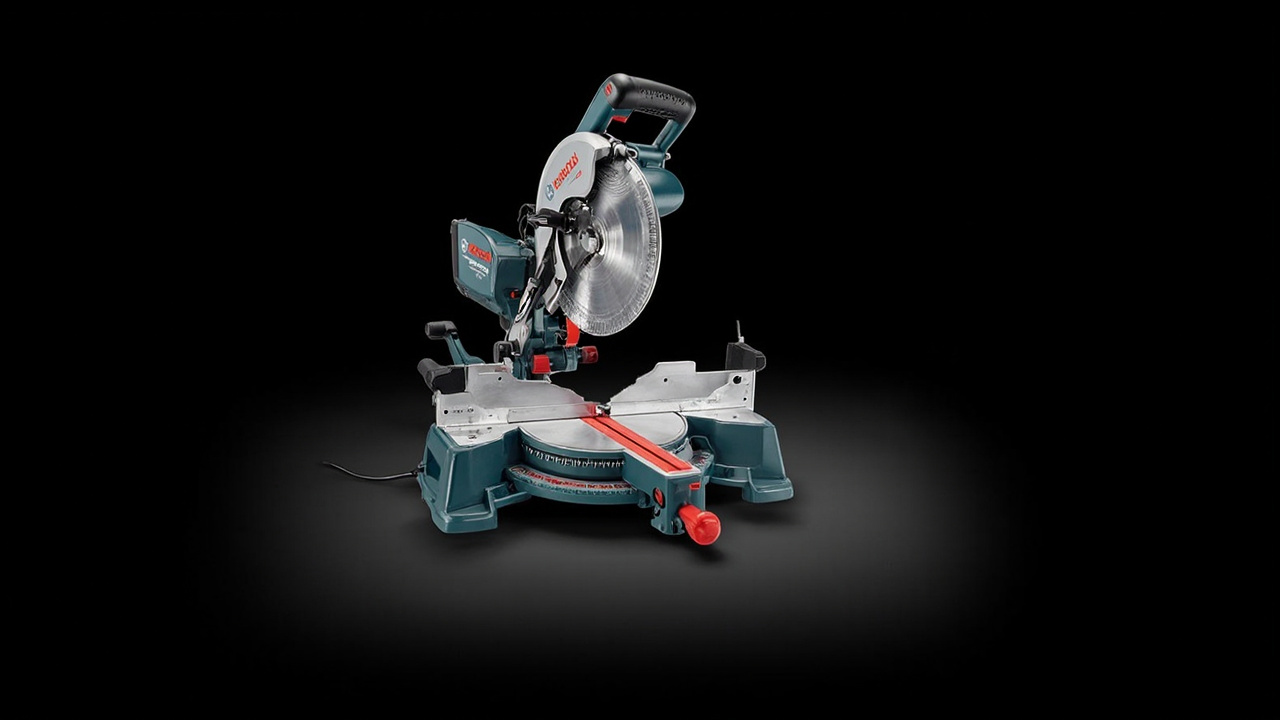
I've got this old miter saw in my workshop that's been through the wringer. We're talking a dinged-up base, a broken blade guard, and honestly, I've become so used to its quirks that I barely notice them anymore. When I brought home the Bosch 12-Inch Dual-Bevel Sliding Miter Saw to test it out, I felt a little weird about it—like I was cheating on an old friend. But you know what? After using it, I get why so many woodworkers have made the switch.
What Makes This Thing Actually Different
Here's the thing about most sliding miter saws: they look pretty much the same. You've got two rails that stick out the back, they slide forward and back to give you more cutting capacity, and honestly, they're kind of a pain to store. They take up serious space.
Bosch went a different direction. Instead of those traditional rails, they engineered an articulating arm system—think of it like a fancy robot arm that folds neatly behind the saw when you're not using it. I know that sounds like a small thing, but the difference is massive. Rails can get sticky and develop a little side-to-side wobble the more you extend them. This arm? It stays balanced and smooth no matter where you are in the cutting stroke.
The first time I fired it up and made a cut, I literally noticed the difference immediately. It's hard to describe, but it felt like the saw was gliding rather than fighting.
Smooth Operator
I'm not exaggerating when I say this saw cut through everything I threw at it with impressive ease. Hardwood trim, pressure-treated lumber, thick 4x4s—didn't matter. The 3,800 RPM motor never felt like it was struggling, and the cutting action stayed smooth and controlled throughout. No stuttering, no slowdown, no "I'm pushing this board through" feeling.
But here's what really surprised me: the ergonomics. The bevel controls are right up front where your hands naturally are. Sounds trivial, right? Until you spend an entire day doing crown molding cuts and constantly adjusting angles. Then you realize how much nicer your life is when you're not twisting around to reach behind the saw.
I also expected the lack of rails to mean I'd be limited on bigger cuts, but nope. I laid 2x12s across the table and still had room to spare. The integrated extensions kept long pieces stable and supported.
The Things It Doesn't Do So Well
Let's be honest—this saw isn't perfect. At 65 pounds, it's not exactly something you're casually carrying between job sites. If portability matters to you, some of the Makita models might actually serve you better.
The dust collection works fine, but it's not going to blow your mind compared to what DeWalt or Makita are doing. And here's my biggest gripe: there's no LED shadow line that shows you exactly where the blade's going to cut. A lot of newer premium saws have this, and once you get used to it, it's hard to live without.
So Should You Buy It?
Yeah, I think you probably should—especially if you're doing serious woodworking where cut quality and smooth operation matter. There's a reason this saw keeps winning awards and keeps showing up in people's workshops year after year. It just feels like quality. It feels engineered. It feels like someone really thought about how people actually use these things.
My old faithful miter saw has had a good run, but I think it's time to pass the torch. That's the best compliment I can give the Bosch.
Source: https://www.popularmechanics.com/home/tools/a71318758/bosch-dual-bevel-sliding-miter-saw-review