
Okay, confession time: I used to be one of those people who silently judged folks with metal detectors at the beach. "What are they even finding?" I'd think, probably just bottle caps and disappointment.
Then my cousin showed up to a family beach day with a detector last summer, and within twenty minutes he'd pulled out three quarters, a neat old button, and a wedding ring. A wedding ring! Some tourist probably cried about that thing for days, and my cousin just gave it to the lifeguard booth to see if anyone claimed it.
I was sold. I needed one.
The Gateway Drug of Metal Detectors
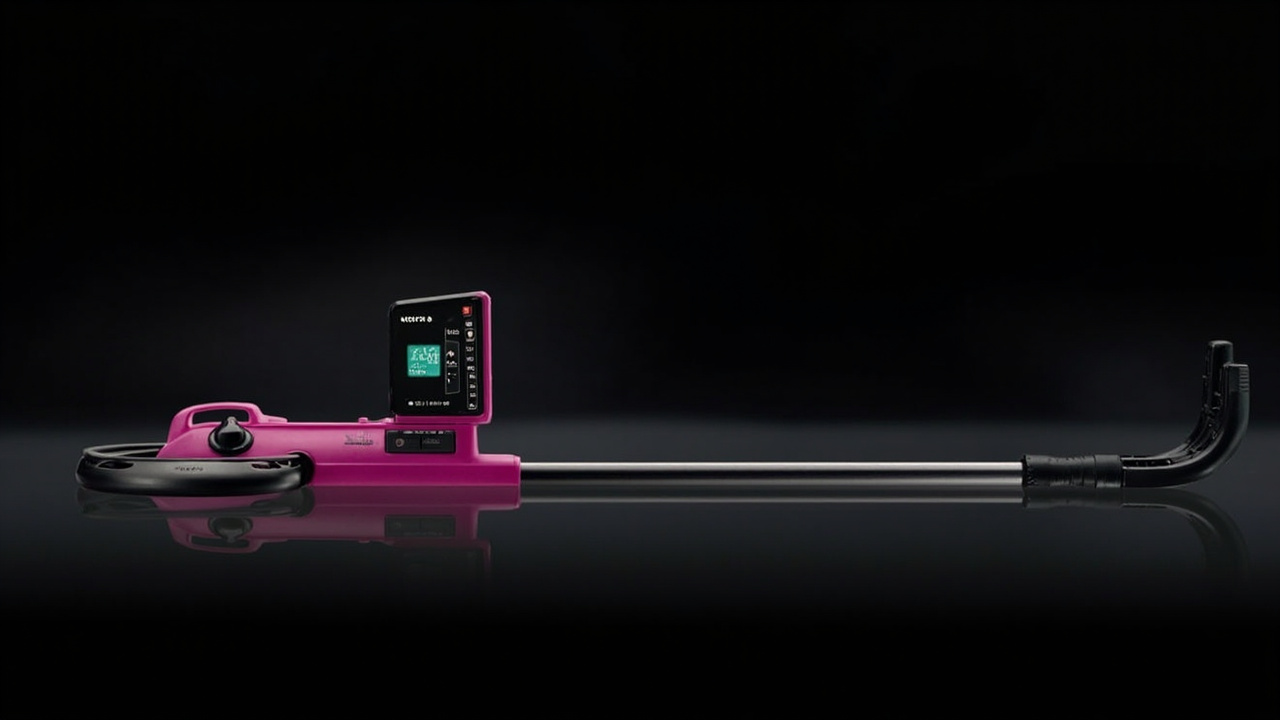
After way too much research (and way too many YouTube videos of people finding treasure), I landed on the Nokta FindX Pro. Here's the thing — I'm not rolling in cash, and I wasn't about to drop $800 on a hobby I might hate. The FindX Pro typically runs under $200, which felt like a reasonable gamble.
What sold me was the simplicity. I'm not a technical person. I still don't fully understand what "VLF" means beyond "very low frequency" (which my brain translates to "probably fine for dummies like me"). But here's the beautiful thing about this machine: it actually is for dummies like me.
First Impressions: Sturdy Little Beast
When the box arrived, I expected something that felt like a toy. You know, the kind of thing you'd find at a dollar store and immediately regret. But the FindX Pro has some weight to it — not heavy, just substantial. The adjustable shaft moves smoothly, the coil feels durable, and the control panel makes sense at a glance.
My only complaint? The included headphones are fine. They're functional little earbuds that get the job done. But if you have any decent earbuds sitting around, swap them in. The built-in speaker works, but trust me — hearing those beeps clearly through headphones is a game-changer, especially if you're hunting in any kind of noisy environment.
Getting Started: Zero Learning Curve
Here's where the FindX Pro really shines for beginners like me. I took it to my backyard first — burying some coins and old keys at different depths to test it out. Within five minutes, I understood the basic modes:
- Field Mode — Good all-around detecting, great for beginners
- Park Mode — Filters out trash like pull tabs and foil, focuses on coins and jewelry
- Beach Mode — For sandy conditions (more on this)
- Jewelry Mode — My current obsession, though it takes practice to interpret the different tones
I found everything I buried between 2 and 6 inches deep. Coins at 4-5 inches gave clear, crisp signals. The target IDs were stable, and the tones made sense. I felt like an actual detectorist, not a complete newbie fumbling around.
Where It Really Delivers
The FindX Pro absolutely shines in parks, fields, and dry sand — which is honestly where most beginners spend their time anyway. If you're imagining yourself hunting coins at old picnic grounds or searching the beach well above the waterline, this detector will not disappoint.
I brought it to a local park last month and spent about two hours detecting. Found 11 coins (all post-2000, but still!), a really cool vintage key, and — get this — a 1943 penny. Someone had lost it decades ago and it was just sitting there, waiting for me. That little moment made the whole purchase worth it.
Where It Gets Tricky
Now, I promised you honesty, and here it is: the FindX Pro struggles in wet sand and saltwater conditions. This isn't unique to this detector — it's a limitation of VLF (single-frequency) technology in general. But I want you to know what you're getting into.
In wet sand, the detector becomes unstable. You'll get false signals. Targets deeper than 6 inches become inconsistent. And if you're hunting right at the surf line? Forget about it. The mineralization in wet saltwater basically overwhelms the single frequency, making it nearly impossible to distinguish between the sand itself and actual targets.
My cousin (remember him?) has a more expensive multifrequency detector, and he hunts the wet sand and surf line all the time. Meanwhile, I'm the dry sand queen. And you know what? That's fine. I'm not competing with him. I'm just having fun.
The Bottom Line
If you're new to metal detecting, or if you want a solid backup detector for different conditions, the Nokta FindX Pro is genuinely fantastic for the price. It won't replace a high-end machine for serious beach hunting, but it will introduce you to the hobby without breaking the bank.
I've now been detecting for about six months. I've found coins, jewelry, relics, and plenty of garbage (seriously, people bury so much weird stuff in parks). I've met other detectorists who are friendly and full of advice. And I've had moments of genuine excitement when the beeps turned into something real.
That $200 investment? Already paid for itself in quarters alone. But honestly, it's the thrill of the hunt that keeps me coming back.
Pro tip: Before you go anywhere, make sure metal detecting is allowed. It's illegal in U.S. National Parks and historic battlefields, and some beaches have local rules too. A quick check saves a lot of headache.
Happy hunting, friends.