
The Case for Keeping It Simple
Here's something that might surprise you if you're just getting into vinyl: the most expensive turntable isn't necessarily the best one for you right now. I know, I know—we live in a world where "more features" usually equals "better," but record players are kind of the exception to that rule.
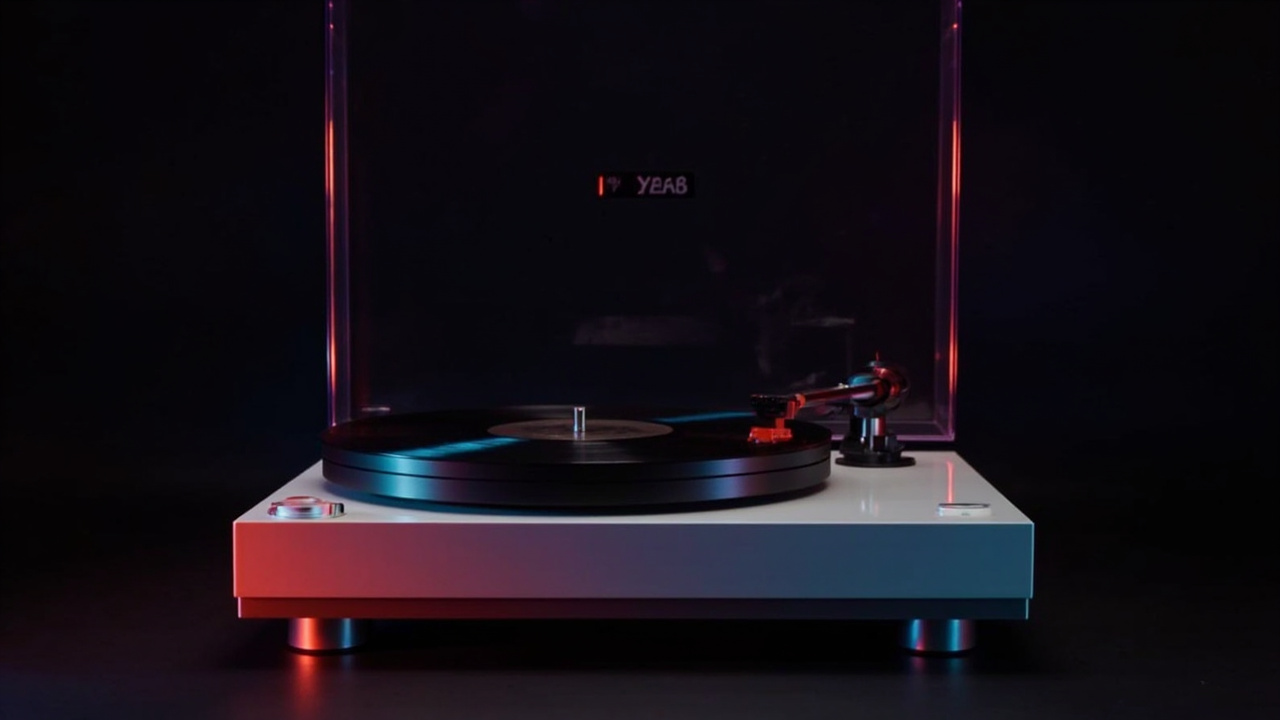
The U-Turn Orbit Basic is proof of this. It's deliberately, almost stubbornly simple. And honestly? That's exactly why someone new to vinyl should seriously consider it.
Why I'm Obsessed with Things That Don't Do Much
There's something genuinely liberating about gear that does one thing really well instead of trying to do seventeen things okay. The Orbit Basic is like the flannel shirt of turntables—no pretense, no overthinking, just solid and reliable.
Let me break down what you're actually getting: a motor that spins your record at the right speed, an arm that tracks the grooves, and a cartridge that converts those tiny vibrations into sound. That's literally all you need. Everything else is just noise (pun intended).
The motor is belt-driven and refreshingly straightforward. Want to switch from playing an LP to a 45? You manually move the belt to a different part of the drive mechanism. It's a few more seconds of your time, but it also means fewer moving parts that could wear out or break.
The Quirks Are Part of the Character
I'm not going to pretend this thing is perfect. You have to balance the tonearm counterweight by eye—there are no fancy guides or digital readouts. You manually lower the needle onto the record. The turntable won't automatically stop when a record finishes, so you've got to get up and do it yourself.
But here's the thing: these "inconveniences" are actually features if you think about it the right way. They force you to slow down and pay attention. You're not passively streaming something in the background while you scroll your phone. You're engaging with your music.
Plus, if you're new to vinyl, figuring out manual adjustments actually teaches you how these machines work. You'll understand your equipment better, which means you'll take better care of it and get better results.
It Actually Sounds Stunning
So yeah, the setup is more hands-on. But does it sound good? Absolutely.
I spent some time listening to Pet Sounds (as one does when testing a turntable), and I was genuinely struck by how full and warm it sounded. You could pick out individual instruments—the orchestral arrangements that Brian Wilson spent months perfecting actually come through. It doesn't sound thin or tinny. It sounds like music, not a digital file.
For the price point, this is genuinely impressive. The Orbit Basic punches way above its weight class.
Who Is This Actually For?
Let's be real: if you eventually become a serious audiophile, you'll probably want to upgrade. There are fancier players with Bluetooth, vibration dampening, and all sorts of technical innovations that make a measurable difference.
But right now? If you're on the fence about vinyl, if you're curious but don't want to drop $500+, if you just want to see if you actually enjoy listening to records—the Orbit Basic is genuinely the perfect answer.
It's the turntable equivalent of renting an apartment before you buy a house. It lets you figure out if this is actually your thing without committing thousands of dollars and a lot of shelf space.
The Real Value Isn't in What It Has
Here's what's been rattling around in my head since testing this: we're so used to judging products by their features that we've forgotten to appreciate products that are just competent.
The Orbit Basic doesn't try to be everything. It doesn't have gimmicks or unnecessary bells and whistles. It's just a really solid, well-built turntable that looks nice, works reliably, and makes your records sound the way they're supposed to sound.
In a world that feels increasingly complicated, there's something genuinely appealing about that.
If you've been curious about vinyl but thought you needed to spend a fortune or understand technical specifications to get started, the Orbit Basic says you don't. You just need something that works, a little patience for manual adjustments, and willingness to actually listen.
That's the whole package right there.