
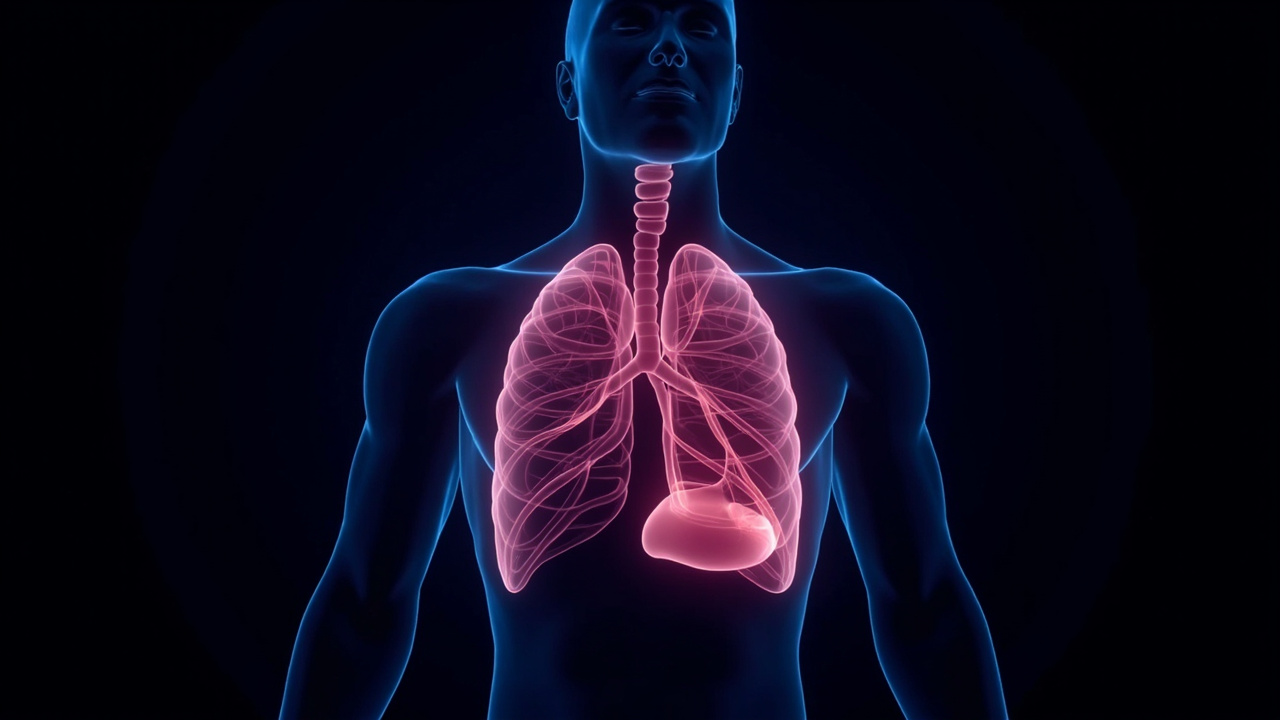
Okay, I have to share something with you that genuinely blew my mind this week. You know those random body parts we learn about in biology class and then promptly forget? Like the thymus — anyone? Bueller?
Well, turns out this little guy might be one of the most important organs in your body, and scientists have basically ignored it for decades. Until now.
Wait, What Even Is the Thymus?
Let me give you a quick refresher. Your thymus is this small gland sitting in your chest, right behind your breastbone. It's kind of like a training camp for your immune system, specifically for these cells called T cells — the soldiers that fight off infections and diseases.
Here's the thing though: after puberty, the thymus starts shrinking. It produces fewer and fewer new T cells as we get older. Because of this, scientists assumed the organ basically retired after childhood and just... didn't matter much anymore.
But a team at Mass General Brigham just published research that completely flips this assumption on its head. And honestly? I'm a little mad we didn't look into this sooner.
The Numbers Are Pretty Stunning
The researchers analyzed data from over 25,000 adults using AI to evaluate routine CT scans of their thymuses. They created something called a "thymic health score" based on the size, structure, and composition of each person's thymus.
What did they find?
Adults with healthier thymuses had:
- 50% lower risk of death from any cause
- 63% lower risk of death from cardiovascular disease
- 36% lower risk of developing lung cancer
That's... significant. Really significant. Like, this is the kind of data that makes scientists do a double-take and check their calculations twice.
But Wait, There's More
The researchers also looked at over 1,200 cancer patients who received immunotherapy. You know, those treatments that help your immune system fight cancer?
Patients with healthier thymuses had a 37% lower risk of cancer progression and a 44% lower risk of death. The thymus appears to play a major role in how well these modern cancer treatments actually work.
This is huge for cancer care. Immunotherapy has been revolutionary for many patients, but it doesn't work for everyone. Understanding the role of thymic health might help doctors figure out who will respond best to these treatments — and potentially find ways to improve outcomes for others.
What Hurts (and Helps) Your Thymus
The research also identified factors associated with poorer thymic health:
- Chronic inflammation
- Smoking
- Higher body weight
On the flip side, protecting your thymus might come down to the same boring-but-true advice we always hear: don't smoke, maintain a healthy weight, and manage inflammation. (I know, I know — not exactly exciting revelations, but the science keeps pointing back to these basics.)
Why Did We Overlook This For So Long?
Honestly, I think this is a fascinating case study in how scientific assumptions can create blind spots. Since the thymus shrinks after childhood, researchers just... stopped paying attention to it. We focused on other immune organs, other markers of aging, other explanations for why we decline over time.
Meanwhile, this little training camp for T cells was quietly doing important work throughout our entire adult lives, and we just... weren't looking.
It makes you wonder what other overlooked parts of our biology are hiding important secrets, doesn't it?
What's Next?
The researchers are quick to point out that this research needs to be confirmed with more studies. And unfortunately, there's no thymic health test you can ask your doctor for just yet — the imaging technique is still being refined.
But they're continuing to explore this avenue. One ongoing study is even looking at whether radiation exposure during lung cancer treatment affects the thymus and patient outcomes.
Here's what I find most exciting about this research: it's not about some exotic new drug or complicated medical intervention. It's about understanding a fundamental part of how our immune system works — and how we might protect it as we age.
So next time someone asks you about the thymus in a trivia game? Maybe actually remember this one. It might matter more than any of us realized.
Source: ScienceDaily — The forgotten organ that could predict how long you live