
The Mystery That's Been Staring Us in the Face
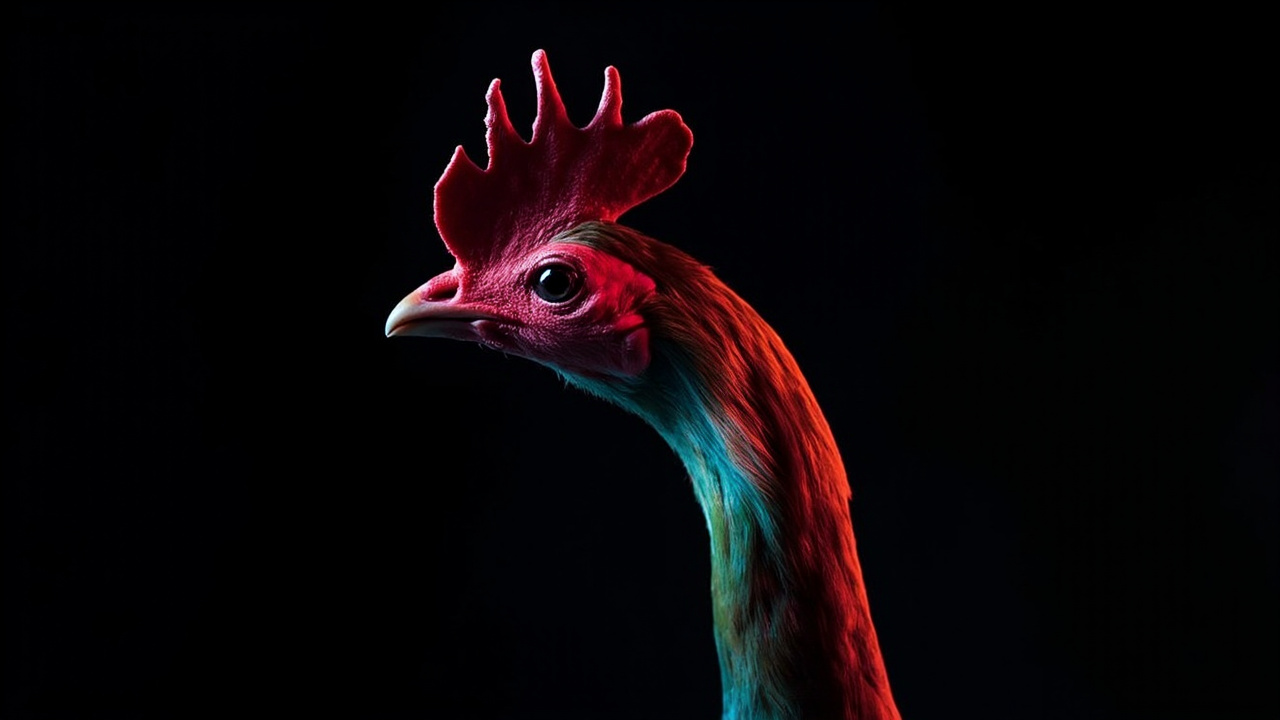
Think about how many different faces you see every day. Your barista has a completely different face than your boss. Your best friend looks nothing like their sibling. And yet, somehow, a chicken's face follows the same basic blueprint as yours.
This seems impossible, right? But here's the mind-bending part: chickens and humans share the same fundamental genetic code for building a face. So do mice. So do pretty much all vertebrates. Yet a chicken looks like a chicken, you look like you, and neither of you look like a mouse.
For years, scientists wondered: How does this work? A team of researchers from Germany and California decided to find out.
The Construction Site Metaphor That Changed Everything
Imagine building a house. The blueprint is the genetic code—the same blueprint for everyone. But here's where it gets interesting: that blueprint is just step one.
During embryonic development, certain cells act like foremen on a construction site. Scientists call them "developmental organizers," and they're basically telling neighboring cells what to build. They're located in the outermost layer of a developing embryo and send out chemical signals—molecules called morphogens—that guide facial development.
The wild part? These signal-sending molecules are remarkably similar across species. So the blueprint AND the basic construction signals are the same.
Then why do we look so different?
The Secret Sauce: It's All About the Switches
Here's where evolution got clever (and by clever, I mean genius).
Your genes aren't like light switches that are either "on" or "off." They're more like thermostats with infinite settings. The actual genes themselves stay pretty much the same across species, but evolution modified something called "regulatory elements"—these are basically the switches and dimmers that control when and where genes get used.
Think of it this way: you might have the exact same ingredients as a chef, but if you add salt at different times or use different amounts, the dish tastes completely different. Evolution didn't rewrite the recipe for faces; it just changed the cooking instructions.
This is actually brilliant because it means evolution can reshape your face without breaking everything else. If you directly changed a gene, you'd risk messing up your heart, your brain, your entire body. But by just tweaking when and where certain genes activate? You can redesign your cheekbones without consequences.
But Wait, There's More
The research team found another layer of complexity: it's not just about what signals are being sent out. It's also about how cells respond to those signals.
Mesenchymal cells—these versatile stem cells that become bone, cartilage, fat, and muscle in your face—don't all respond the same way to the same signals across different species. The same chemical message gets interpreted differently depending on the species. It's like the same song sounding completely different on a piano versus a trumpet.
One researcher put it perfectly: "Facial diversity is not only shaped by changes in how signals are produced, but also by how they are perceived by other cells."
The Plot Twist: This Also Explains Why You Look Different From Your Parents
Here's what really blew my mind about this research: the same mechanisms that make chickens different from humans also make you different from your siblings.
Many of the regulatory elements that control facial development across species also show variation within our species. So the tools evolution uses to paint broad strokes across the animal kingdom also create the fine details that make human faces unique.
This explains why some people have wider faces, narrower noses, or more prominent cheekbones. It's the same genetic toolkit being expressed slightly differently.
The Takeaway
Evolution didn't create a bunch of different instruction manuals for different animals. It created one incredibly flexible instruction manual and then figured out how to dial different parts up or down.
It's the ultimate "work smarter, not harder" approach to biology. And honestly? It's kind of beautiful. Your unique face isn't the result of completely different genes than your cousin's—it's the result of the same genes being orchestrated differently.
Now when someone tells you that you have your grandmother's nose, you can tell them the real story: you've got the same genetic switches she did, just calibrated a little differently.