
The Uncanny Valley of Pet Breeding
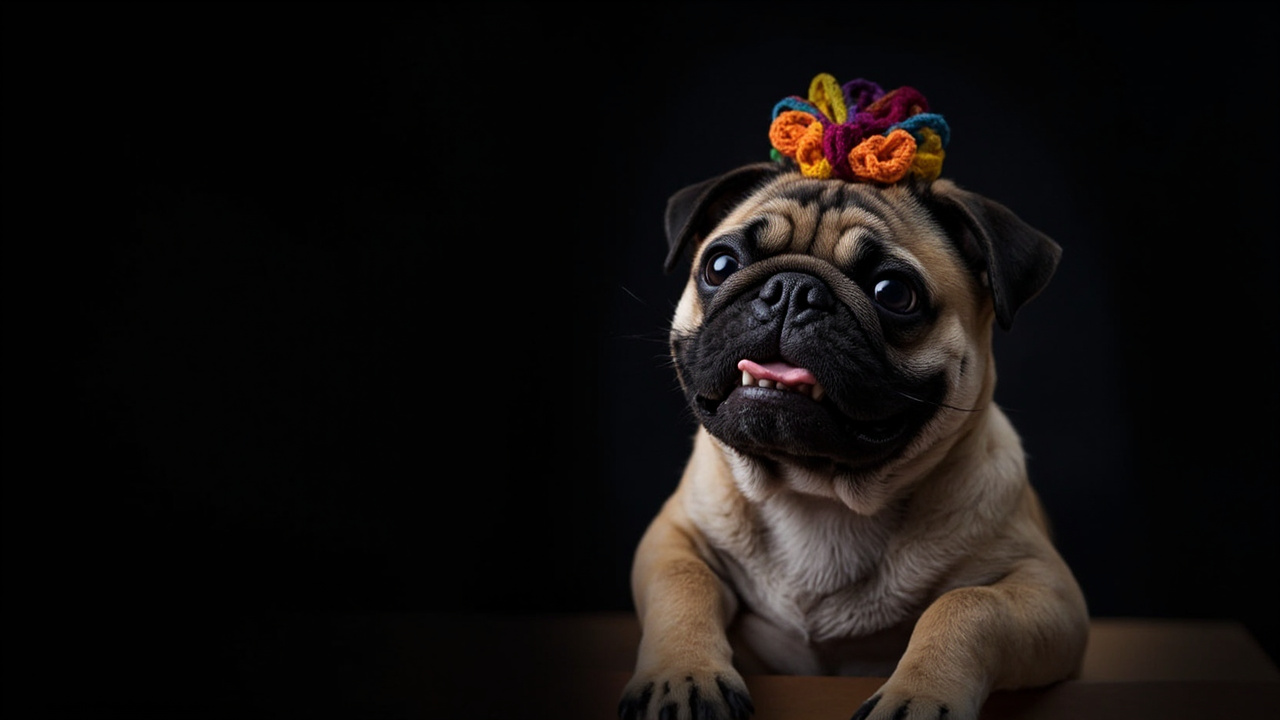
Here's something that's going to make you look at your pets differently: a pug and a Persian cat might actually have more in common skull-wise than either has with their wild ancestors. I know, I know—that sounds absolutely bonkers. But researchers at Cornell University and Washington University actually studied this, and the results are genuinely mind-blowing.
Jonathan Losos, one of the scientists behind the study, basically admitted that even they were shocked: "The skulls of a pug or a Pekingese and a Persian cat are more similar to each other than either is to their ancestors, the wolf and the North African wildcat." That's right—thousands of years of divergent evolution, essentially reversed by selective breeding in just a few centuries.
We're All Drawn to Baby Faces (Even Across Species)
So why are we doing this? Why are breeders intentionally making dogs and cats look like they just stepped out of a storybook?
The answer is weirdly simple: we can't help ourselves when we see baby-like features. Those big eyes, those smushed noses, those round little faces—they trigger something primal in our brains. Scientists call it "alloparenting," which is basically your brain's automatic response to anything that looks remotely human-infant-adjacent.
Think about it. Human babies are helpless for a really, really long time compared to other animals. A human infant can't do much of anything for months. So we've evolved to find certain features—big eyes, flat faces, proportionally large heads—absolutely irresistible. It's a survival mechanism, honestly.
The problem? Puppies and kittens don't actually need this level of nurturing. They're what biologists call "precocial" animals, meaning they're relatively independent pretty quickly. A kitten is climbing your curtains weeks after being born. A human baby? Still drooling and needing help with literally everything. But our brains don't care about that distinction—we see those baby-like features and our parental instincts go haywire.
What's Happening (It's Called Convergent Evolution, Sort Of)
There's a term for this kind of thing in evolutionary biology: convergent evolution. That's when totally unrelated species independently develop similar traits because they're responding to the same environmental pressures. Dolphins and sharks look similar, but they evolved that way separately. It's wild.
Except dogs and cats aren't naturally converging—we're forcing them to. We're essentially creating artificial convergent evolution by selectively breeding the flattest-faced, biggest-eyed individuals. If you look at breed standards for dogs and cats developed purely for appearance, the language is eerily similar: "nose positioned between the eyes," "face forming a vertical plane," "no muzzle protrusion." We're literally using the same blueprint.
The Dark Side of Cuteness
Here's where things get uncomfortable, though. This relentless pursuit of "baby-like" features has real consequences for the animals we claim to love.
Flat-faced dogs like pugs and Boston Terriers can't fly on planes without serious risk of a potentially fatal nosebleed. Their breathing is compromised. Their spines are shorter than they should be. These problems didn't appear naturally—pugs used to look completely different, with longer snouts and longer legs. We did this to them.
The Persian cat situation is similar. Those adorable smushed faces come with dental problems, eye issues, and breathing difficulties. We've prioritized how they look over how they live.
It's a tough pill to swallow when you're looking at a cute dog or cat you love—the breeding practices that created them might have also sentenced them to a life of health struggles.
The Silver Lining (Maybe)
Not everyone is on the "breed for cuteness at all costs" train, thankfully. There's actually growing pushback against extreme breeding standards, and more people are becoming aware of these health issues.
Plus, if your neighbor's expensive designer dog accidentally had puppies with a neighborhood stray? That's actually probably good news for those puppies. Mixed breeds tend to have fewer genetic health problems because they have more genetic diversity. Sometimes nature's way of mixing things up is the healthiest option.
The Takeaway
The next time you see a pug that looks suspiciously cat-like, or an Instagram kitten that could be mistaken for a tiny dog, remember: that's not evolution in action. That's us humans, for better or worse, reshaping two completely different species in our own image. It's fascinating from a scientific perspective, and kind of unsettling from an ethical one.
Maybe the real question isn't "how can we make dogs and cats look more alike?" but rather "should we?"
Source: https://www.popularmechanics.com/science/a71137856/similarities-cats-dogs-evolution-babies