
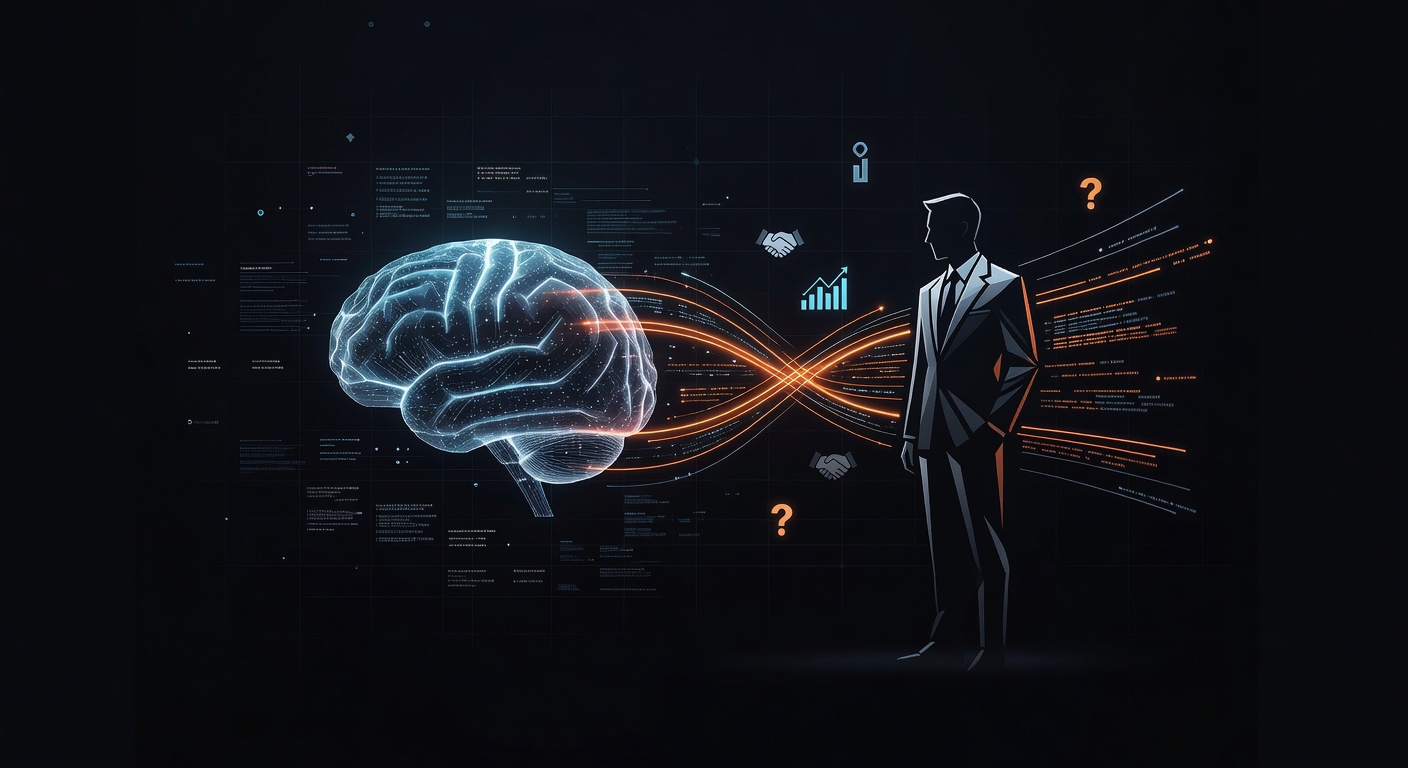
The Human Touch vs. The Algorithm
Picture this: You're a scrappy startup founder with a brilliant idea, standing in front of a sleek computer screen instead of a boardroom full of suited investors. The AI on the other side analyzes your pitch deck in seconds, crunches market data faster than you can blink, and spits out a funding decision. Sounds like science fiction, right? Well, maybe not for much longer.
What Makes a Good VC Anyway?
Let's be honest – venture capitalists have a pretty sweet gig. They get paid to spot the next big thing, throw money at promising startups, and hopefully strike gold when one of them becomes the next Uber or Airbnb. But what exactly do they bring to the table?
Traditional VCs offer more than just money. They provide:
- Network connections that can make or break a startup
- Industry expertise from years of experience
- Mentorship to help founders avoid common pitfalls
- Due diligence to separate real opportunities from pipe dreams
The question is: can AI replicate all of this?
Where AI Could Actually Win
Here's where things get interesting. AI is already pretty darn good at some aspects of venture capital:
Data Analysis on Steroids: While human VCs might spend weeks analyzing market trends and financial projections, AI can process massive amounts of data in minutes. It can spot patterns in successful startups that humans might miss entirely.
Emotion-Free Decision Making: Let's face it – humans are biased. We might pass on a great opportunity because we don't like the founder's presentation style, or invest in a dud because the CEO reminds us of ourselves in college. AI doesn't care if you went to Harvard or if you stutter during your pitch.
24/7 Availability: AI doesn't need coffee breaks, vacation time, or recovery periods after particularly brutal board meetings.
But Can AI Really "Get" Innovation?
This is where I think the human element becomes irreplaceable. Innovation often comes from crazy ideas that don't make sense on paper. Remember when everyone thought Airbnb was just "paying to sleep in strangers' beds"? Or when Uber seemed like an expensive taxi service?
The best VCs have an almost mystical ability to see potential where others see problems. They understand market timing, cultural shifts, and the intangible qualities that separate good founders from great ones. Can an algorithm really detect that spark of genius in a nervous 22-year-old's eyes?
The Hybrid Future
Rather than AI completely replacing VCs, I think we're heading toward a hybrid model. Imagine AI handling the initial screening – filtering through thousands of applications to identify the most promising ones based on data patterns. Then human VCs could focus on what they do best: building relationships, providing strategic guidance, and making those gut-feeling bets on revolutionary ideas.
This could actually democratize venture capital. Smaller firms could use AI to level the playing field with big-name VCs who have armies of analysts. Geographic barriers might disappear when AI can evaluate opportunities anywhere in the world.
The Bottom Line
Will AI kill the venture capitalist? Probably not entirely. But it will definitely change the game. The VCs who survive and thrive will be those who embrace AI as a powerful tool while doubling down on the uniquely human aspects of their job.
After all, startups are fundamentally about people solving problems for other people. And last I checked, AI still hasn't figured out the full complexity of human nature – though give it time, and who knows?
What do you think? Would you rather pitch to an AI or a human investor? The future of startup funding might be more interesting than we imagined.