
The Day Google Maps Looked Back
Here's a fun exercise for you: open up Google Maps right now and start clicking around random spots on Earth. Go ahead, I'll wait. (Okay, maybe finish reading this first, but point stands!)
Most of what you'll find is pretty ordinary—roads, buildings, the usual. But sometimes, just sometimes, you stumble onto something that makes you go "wait, what the heck IS that?"
That's exactly what happened to filmmaker Sergio Neuspiller back in 2016. While researching material for a film about the Paraná Delta in Argentina, he was doing some digital exploring when something caught his eye (pun absolutely intended). Right there on his screen, about 50 miles northwest of Buenos Aires, was what looked suspiciously like... an eyeball.
A Floating Island That Defies Explanation
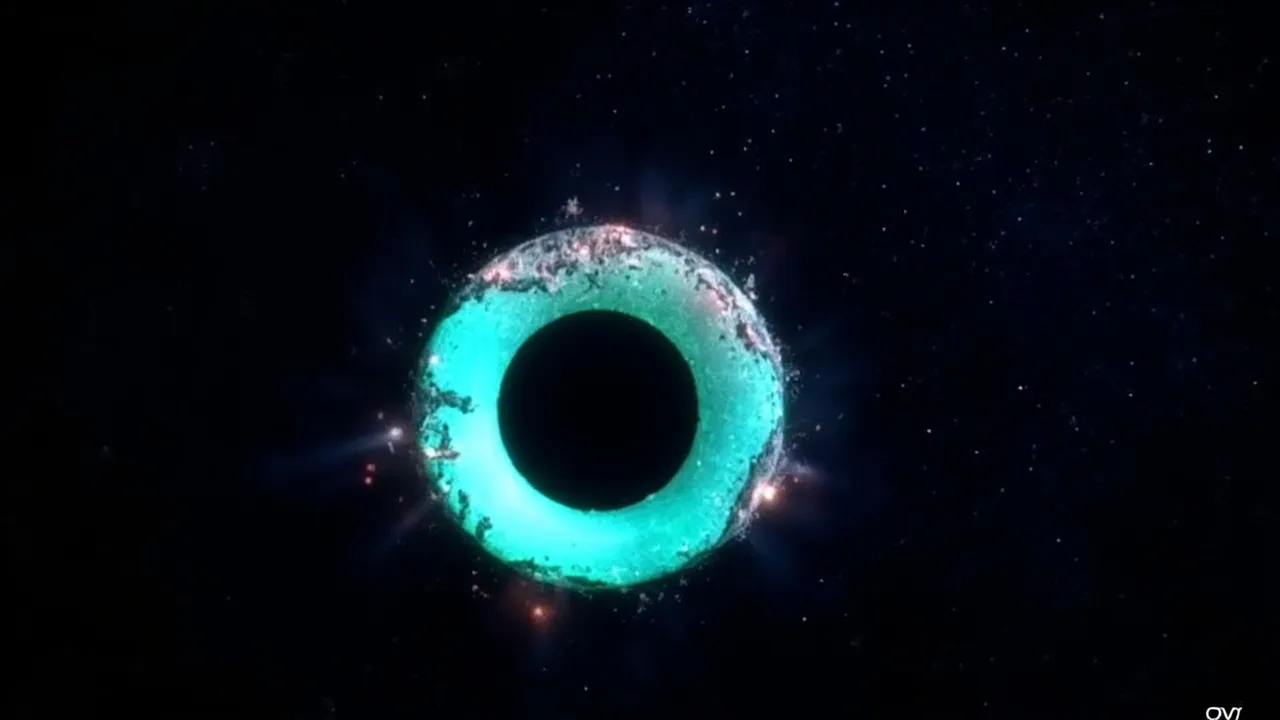
The formation, now famously called "El Ojo" (Spanish for "The Eye"), is a roughly 120-meter circle of floating vegetation sitting in the middle of an equally circular lake. From above, it genuinely looks like a giant eye staring back at you. The "iris" is made up of decomposing grasses and plant matter, while the dark water surrounding it creates that eerie "pupil" effect.
Neuspiller didn't just take a screenshot and call it a day, though. Nope, he got in a boat and went to see it in person. And here's the wild part: it looked exactly the same from the ground as it did from space. No tricks, no camera distortions—just a naturally occurring near-perfect circle floating in the middle of nowhere.
The water itself was something else, too. Neuspiller described it as looking black from above, but when he got there, he discovered it was actually crystal clear. In a delta region known for murky waters, this transparency was practically unheard of.
Nature's Secret Geometry Lesson
Now here's where things get really interesting. When we see perfect circles from aerial views—whether on Google Maps or from an airplane window—our first instinct is usually to assume humans made it. And honestly? We'd usually be right.
The most common culprit is central pivot irrigation, where giant sprinkler systems rotate around a central point, creating those signature green circles you see in arid farmland. Less commonly (but way more fun), there are crop circles, which despite what some folks claim, are definitely made by humans with too much time and creativity.
But El Ojo? That's neither. This is pure, unfiltered nature doing something it rarely does: creating geometric perfection.
The Spinning Secret
So how does a bunch of floating plants arrange themselves into what looks like it was drawn with a compass? The answer involves the same physics that creates those spinning ice disks you sometimes see in rivers during winter.
You know those ice circles that make the rounds on social media every few years? The ones that look like giant frozen lily pads spinning slowly in rivers? Scientists call these "ice disks," and they form when eddies in the water create what's called rotational shear. Basically, different parts of the water move at different speeds, which sets everything into a gentle spin.
The same thing is happening beneath El Ojo. River currents flowing under this floating mat of vegetation are creating that same rotational effect, slowly spinning the entire formation in a clockwise direction. The circular lake around it? Also shaped by these same forces. It's a feedback loop of circular geometry, and nature built it all on its own.
Scientists have actually documented ice circles as far back as 1895, but El Ojo is something else entirely. Instead of ice, we have living vegetation slowly decomposing, spinning, and reshaping itself over what might be decades or even longer.
Appreciate It While You Can
Here's the slightly melancholic part of this story: this perfect circle is on borrowed time. That gentle rotation that's been shaping El Ojo all these years? It's also slowly eroding the edges. Scientists estimate the island is gradually shrinking, bit by bit.
So if you've ever wanted to see something that looks almost too strange to be real, El Ojo is still out there, slowly spinning its way through the Paraná Delta. You can even spot it yourself on Google Maps—it's pretty unmistakable once you know what you're looking for.
There's something genuinely magical about discovering that nature, for all its organic chaos, can occasionally produce something so geometrically precise that it looks artificial. It's a reminder that our planet still has mysteries hiding in plain sight, just waiting for someone with a curious eye (sorry, couldn't resist) to notice them.
Maybe next time you're bored and scrolling through maps, you'll find something equally wild. Stranger things have happened.
What do you think? Would you want to visit El Ojo in person, or is it the kind of thing that's best appreciated from above? Drop a comment below—I read every single one!
Source: Popular Mechanics