
The blog post content in markdown
A Ghost From the Deep
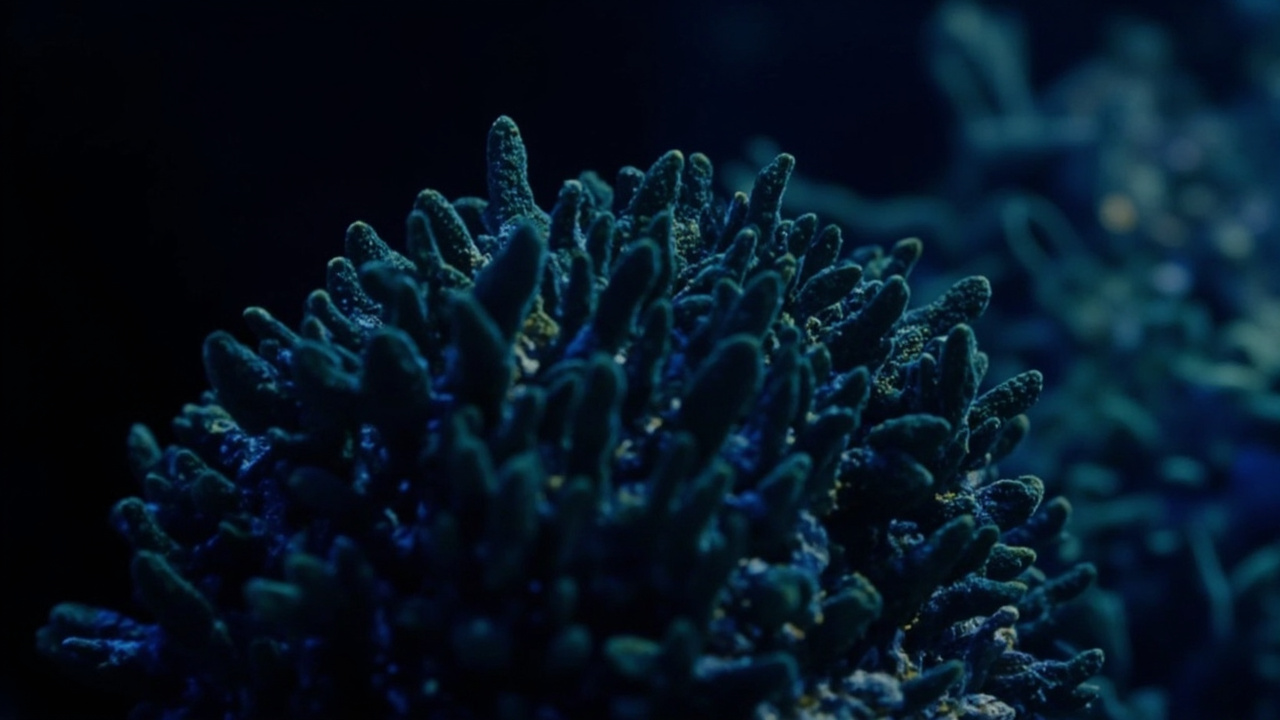
Okay, let me paint you a picture. You're descending into the dark, mysterious waters of Fiordland, New Zealand. It's cold, it's murky, and you're surrounded by that eerie underwater silence. Then, suddenly, something massive looms out of the darkness — a coral colony standing over 13 feet tall and stretching 15 feet wide.
This isn't some tiny reef snippet either. This ancient organism has been sitting on the ocean floor since roughly the early 1600s. Shakespeare was still writing plays. That blew my mind, honestly.
Professor James Bell, a marine biologist who's been studying ocean life for 25 years, called it "absolutely huge" — and this is someone who's seen things. He said it's by far the largest black coral he's ever encountered. Most black corals they find during dives are lucky to reach two or three meters. This one? It's in a completely different league.
Wait — Black Coral Isn't Actually Black?
Here's something that surprised me: despite the name, black coral isn't black at all on the outside. The living coral is actually white. The black part? That's only the internal skeleton. So really, it's more like a "black-hearted" coral. (Okay, maybe I'm being dramatic, but you have to admit that's a fun fact.)
Why Should We Care About Big Corals?
Now, here's where it gets really interesting — and a little bit beautiful.
Black corals grow incredibly slowly. We're talking millimeters per year, maybe less. So when researchers find a colony this old and this large, it's not just a cool discovery — it's a biological treasure.
These massive corals act as valuable breeding stock for the entire species. They're like the wise grandparents of the coral world, producing offspring that can help sustain populations for generations to come.
Professor Bell put it perfectly: knowing where these giants live helps us protect them. For example, boats anchoring in the wrong spot or fishing gear dropped carelessly could damage something that's been growing since the 17th century. That's like accidentally knocking over the Statue of Liberty because you didn't know it was there.
Let's Map These Ancient Giants
The research team isn't just celebrating — they're getting to work. They're partnering with the Department of Conservation and the Fiordland Marine Guardians to systematically study and map coral distributions throughout the fiords.
Here's where you can help: if you're ever diving in Fiordland and spot a black coral over 4 meters tall, they'd love to hear about it. Citizen science for the win!
A Living Legacy
The thing that really got me about this story is the sheer persistence of it. This coral has survived centuries. It's weathered storms, temperature changes, and the rise and fall of human civilizations — all while sitting peacefully on the ocean floor, growing one tiny fragment at a time.
It's protected under New Zealand's Wildlife Act, which means it's illegal to intentionally collect or damage it. Good. Some things deserve to be left alone.
So next time you think about the ocean as just, you know, water with fish in it — remember that down there, in the cold dark depths, ancient giants are quietly going about their slow, magnificent lives. And sometimes, if we're lucky, we get to discover them.