
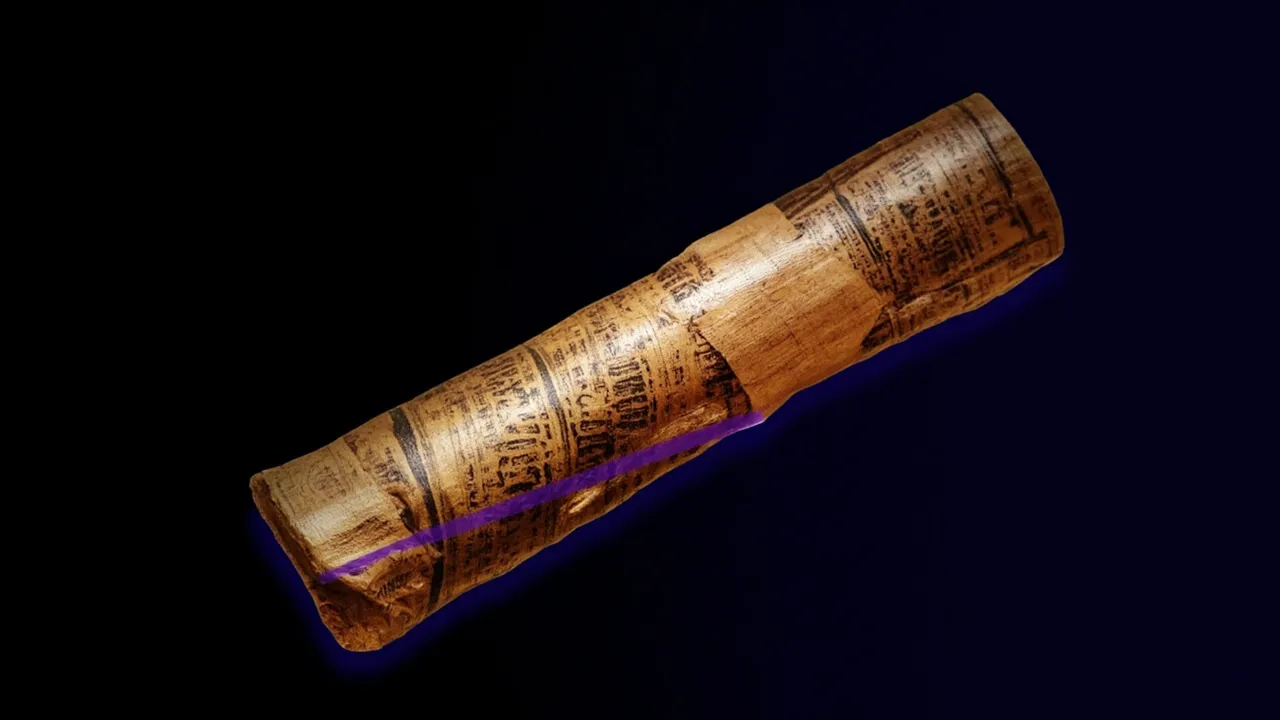
A Literary Surprise in an Ancient Tomb
Okay, I have to admit—when I first read about this discovery, I had to read it twice to make sure I understood it correctly.
Archaeologists working at the site of Oxyrhynchus in Egypt recently found a piece of papyrus containing a passage from Homer's Iliad nestled on the abdomen of a Roman-era mummy. The mummy dates back roughly 1,600 years. Here's the really wild part: this wasn't some accident or later addition. The papyrus was deliberately placed there as part of the mummification ritual.
Until now, whenever researchers found Greek texts in Egyptian burials, they were always magical or ritualistic in nature—things like protective spells or incantations. But this? This is Homer. The Homer. One of the most important writers in all of Western literature.
What's So Special About the Catalogue of Ships?
The specific passage identified is from the "Catalogue of Ships" in Book II of the Iliad. If you're not familiar with Greek mythology (no judgment here!), this is the section where Homer lists all the Greek warriors and their ships as they prepare to set sail for Troy. It's basically an ancient roll call of heroes—and it's been considered one of the most famous passages in Western literature for over two thousand years.
The fact that someone chose this particular text to include in a burial is honestly kind of mind-blowing. Professor Ignasi-Xavier Adiego, who's been directing the Oxyrhynchus project, put it perfectly: while the site has yielded countless Greek papyri over the years, finding a literary work in a funerary context is genuinely novel.
Oxyrhynchus: A Treasure Trove That Keeps Giving
Now, if you're wondering "where exactly is this place?", let me fill you in. Oxyrhynchus was one of the most important cities in Greco-Roman Egypt, located about 190 kilometers south of Cairo. It's become legendary among archaeologists and historians because the dry Egyptian climate has preserved thousands and thousands of ancient papyri documents.
The University of Barcelona's archaeological mission there has been running since 1992—that's over three decades of careful excavation work! And they keep finding remarkable things. This latest discovery came from Tomb 65 in Sector 22 of the necropolis at Al Bahnasa, the modern town sitting on top of ancient Oxyrhynchus.
The team uncovered a whole funerary complex with three limestone burial chambers, decorated wooden sarcophagi, and—unfortunately—signs of past looting that had damaged some of the artifacts. But hey, they still found this incredible papyrus, so not everything was lost to the looters.
Why Does This Matter?
Here's where my inner history nerd gets really excited. This discovery challenges our assumptions about how different cultures interacted in ancient times. We knew Greeks and Egyptians lived together in cities like Oxyrhynchus, but finding Homer's work incorporated into Egyptian burial practices suggests something deeper—a real appreciation for Greek literature that went beyond just everyday use.
Were the people buried with these texts Greek? Egyptian? Someone of mixed heritage? Did they simply love Homer's poetry so much that they wanted it with them in the afterlife? We'll probably never know for certain, but isn't it wonderful to wonder?
It also makes me think about how we treat books and literature today. We put flowers on graves, sometimes favorite objects, maybe photos of loved ones. Were the ancient Egyptians doing something similar—surrounding their dead with the words that mattered most to them?
What Happens Next?
The team will undoubtedly continue studying this papyrus and searching for more clues in other tombs. Every discovery like this adds another piece to the puzzle of understanding how ancient people lived, what they believed, and what they valued.
In the meantime, I think we can all appreciate the sheer poetry of it: one of the oldest stories ever written, tucked away in the wrappings of someone who lived over a thousand years after Homer walked the earth. Words really do outlast us all.
What do you think? Does this discovery change how you see ancient cultures? I'd love to hear your thoughts!