
The Day Routine Work Made History
Okay, I've got to start by saying that this story has everything. Ancient secrets, hidden treasure, and a big "oops" (or should I say "wow"?) from some workers just trying to do their jobs.
Picture this: It's a regular day at Wat Thammachak Sema Ram temple in Thailand. Workers are digging a drainage system—not exactly the stuff adventure movies are made of. But then, about four feet down, their shovels hit something unexpected. A ceramic container buried in the earth. Curiosity takes over, they open it up, and BAM—33 ancient treasures made of gold, silver, and bronze come tumbling out.
Just like that, history rewrote itself.
A Kingdom Comes to Light
Now, let's put on our time-traveling goggles and head back to around 657 A.D.—the estimated birth year of this particular reclining Buddha statue. We're talking about the Dvaravati period, a fascinating era in what is now Thailand. This was a kingdom that flourished through trade, art, and yes, deeply spiritual practices.
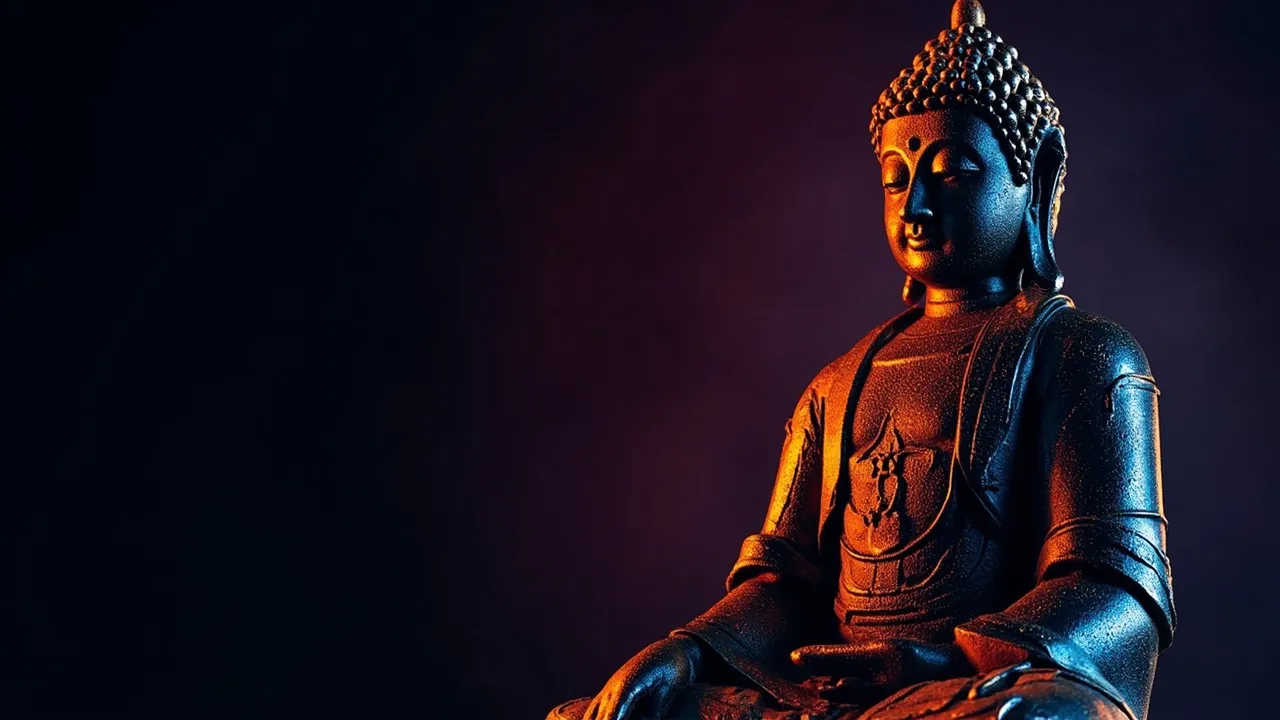
The statue itself? It's a whopper. We're talking 43 feet long, making it one of the oldest and largest reclining Buddhas in the entire country. Pretty impressive for something built over a thousand years ago, right?
But here's what really gets me: what the Dvaravati people chose to hide beneath it.
So What Exactly Did They Find?
Let me break down this treasure chest piece by piece:
The Jewelry Collection
First up, we have your classic statement pieces from the ancient world. Gold rings that probably made someone's fingers sparkle at important ceremonies. Silver earrings that caught the light just so. And my personal favorite—bronze hoop earrings in a style that archaeologists have spotted across the country from this exact period. It's like finding matching jewelry at different estate sales from the same wealthy neighborhood.
The Real Showstoppers: Repoussé Metal Sheets
Now, this is where things get seriously cool. The workers found hammered metal sheets decorated using a technique called repoussé (say it with me: reh-poo-SAY). Basically, artists would hammer metal from the back to create raised designs on the front. Think of it like metal embossing, but with way more skill required.
One gold sheet—measuring about 3 by 5 inches—depicts a seated Buddha in what art historians call the "teacher's pose." You can see the classic details: spiral curls (hair was a big deal in ancient Buddhist art), a glowing halo, elongated earlobes (a sign of wisdom and enlightenment), and a flowing robe draped over one shoulder. There's even a tiny hole in the corner, suggesting this little masterpiece might have been hung up or worn. How's that for portable spirituality?
Another sheet features a standing Buddha framed by an arch, flanked by two attendants. One attendant is too damaged to identify, but the other might be a representation of Brahma—the Hindu god who shows up surprisingly often in Buddhist art from this period. Ancient Thailand was clearly into some spiritual mash-ups.
Why Would Someone Hide This Stuff?
Here's the question that keeps archaeologists up at night: why bury treasure under a Buddha statue?
The researchers have a theory, and it honestly makes a lot of sense. They think these artifacts were ritual offerings—items placed deliberately beneath the statue as part of some ancient ceremony. Maybe it was during the statue's dedication. Maybe it was during a special religious event. We'll probably never know the exact occasion, but the intent was clear: these were sacred gifts, meant to be protected and preserved in a sacred space.
And preserved they were! For 1,300 years, these little pieces of gold, silver, and bronze sat waiting in the dark, keeping their secrets until one lucky (or should I say, appropriately curious) construction crew came along.
What Happens Now?
The Phimai National Museum has taken custody of these treasures, which means they'll be carefully cleaned, studied, and preserved for future generations. Experts will analyze the metals, the artistic techniques, and the historical context to piece together more of Thailand's fascinating past.
This is exactly why archaeology matters, folks. Every now and then, the earth gives up a piece of the puzzle we've been missing. And this particular puzzle piece? It's made of gold.
My Take
I don't know about you, but I love stories like this. It reminds us that history isn't just sitting in textbooks or locked away in museum vaults where nobody goes. Sometimes it's literally right under our feet, waiting for someone to dig in the right spot at the right time.
There's something beautifully human about this find, too. More than a thousand years ago, someone placed these offerings with care and intention, believing they were creating something lasting. They were right—those objects are still here, still telling their story, still making us wonder about the people who made them.
So the next time you're doing something boring and routine, pay attention. You never know what you might discover.