
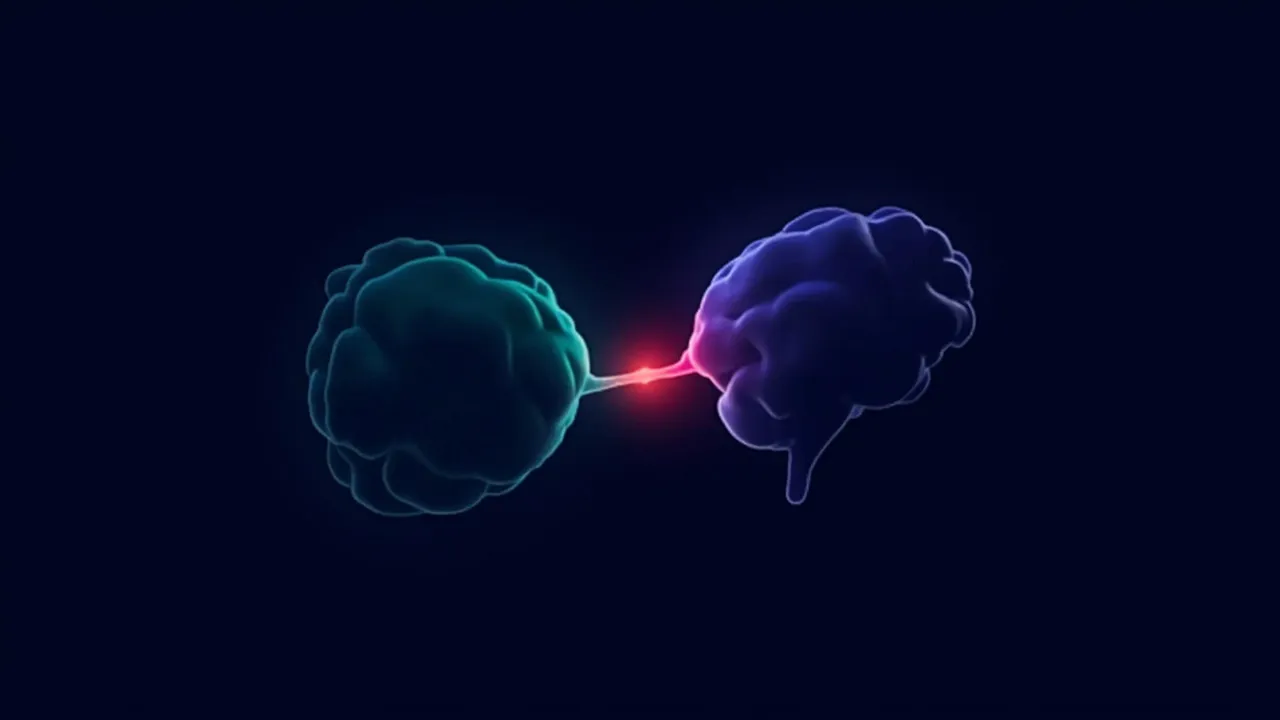
- Intro paragraph about the fascinating topic
- Explanation of the research in accessible terms
- The specific findings about first vs second pregnancy
- The brain networks and what they do
- The bonding and mental health connections
- My commentary/closing thoughts
Wait, Your Brain Changes Again?
Okay, here's something wild: scientists already knew that pregnancy physically reshapes your brain. Like, we're talking structural changes you can actually see on brain scans. But here's what nobody had looked at closely until recently — what happens when you do it a second time?
A team from Amsterdam UMC decided to find out, and honestly, their findings made me want to high-five every mom of multiple kids I know.
They followed 110 women over time — some expecting their first baby, some pregnant with number two, and some who stayed childless as a comparison group. By doing repeated brain scans, they could watch these changes happen in real-time. How cool is that?
First Pregnancy vs. Second Pregnancy: Not the Same Show
Here's where it gets really interesting. During a first pregnancy, the biggest brain changes showed up in what's called the Default Mode Network — basically the brain system responsible for self-reflection, thinking about others, and a bunch of other "higher-level" mental stuff.
But during a second pregnancy? Different networks lit up. The most noticeable changes happened in areas responsible for directing attention and processing sensory information.
Lead researcher Milou Straathof put it this way: during a second pregnancy, the brain is more strongly altered in networks involved in reacting to sensory cues and controlling attention. And honestly, that makes so much sense. When you're juggling a toddler and a newborn, you need to be alert to what's happening around you. You need to shift focus quickly. You're not just reflecting on your inner life anymore — you're in active, reactive mom mode.
The Mother-Child Bond Connection
Now, here's a finding that made my heart squeeze a little: the brain changes during pregnancy were connected to the emotional bond between mom and baby. This link was actually stronger after a first pregnancy than a second one.
I'm not a neuroscientist, but I wonder if this is because first-time moms are in pure discovery mode? Like, all that brain restructuring is happening during a period of intense, focused bonding with just one child. But that's just my armchair psychology — what do I know?
Why This Matters for Mental Health
Here's the part that really needs more attention: the researchers also found connections between brain changes and peripartum depression during both first and second pregnancies. This is apparently the first time anyone's shown that pregnancy-related changes in the brain's outer layer (the cortex) are associated with maternal depression.
But get this — the timing was different depending on whether it was a first or subsequent pregnancy. For first-time moms, these associations were most apparent after childbirth. For women having their second baby, they showed up during pregnancy itself.
Why? Researchers aren't totally sure yet, but they're thinking that moms who've already been through pregnancy might show signs of struggle earlier because they have something to compare to. Or maybe the brain is processing this differently when it's not the "first time" experience.
The Bigger Picture
Dr. Elseline Hoekzema, who runs the Pregnancy Brain Lab and led this research, put it beautifully: each pregnancy leaves a unique mark on the female brain.
Think about that for a second. Every pregnancy — not just the first — actually changes the physical structure of your brain. That's not metaphor. That's anatomy.
I don't know about you, but I find this completely awe-inspiring. Our brains are not static organs that simply age and decline. They're dynamic, adaptable, and apparently, they can be rewired by growing a human. Twice.
This research isn't just cool science — it could eventually help doctors understand and treat postpartum depression better. And honestly? Anything that helps mothers get the support they need is worth celebrating.
So if you're a mom of multiples out there, know this: your brain didn't just go through pregnancy once. It adapted, changed, and adapted again. That's kind of incredible when you think about it.