
Okay, I need to tell you something that'll make you look at your own head differently.
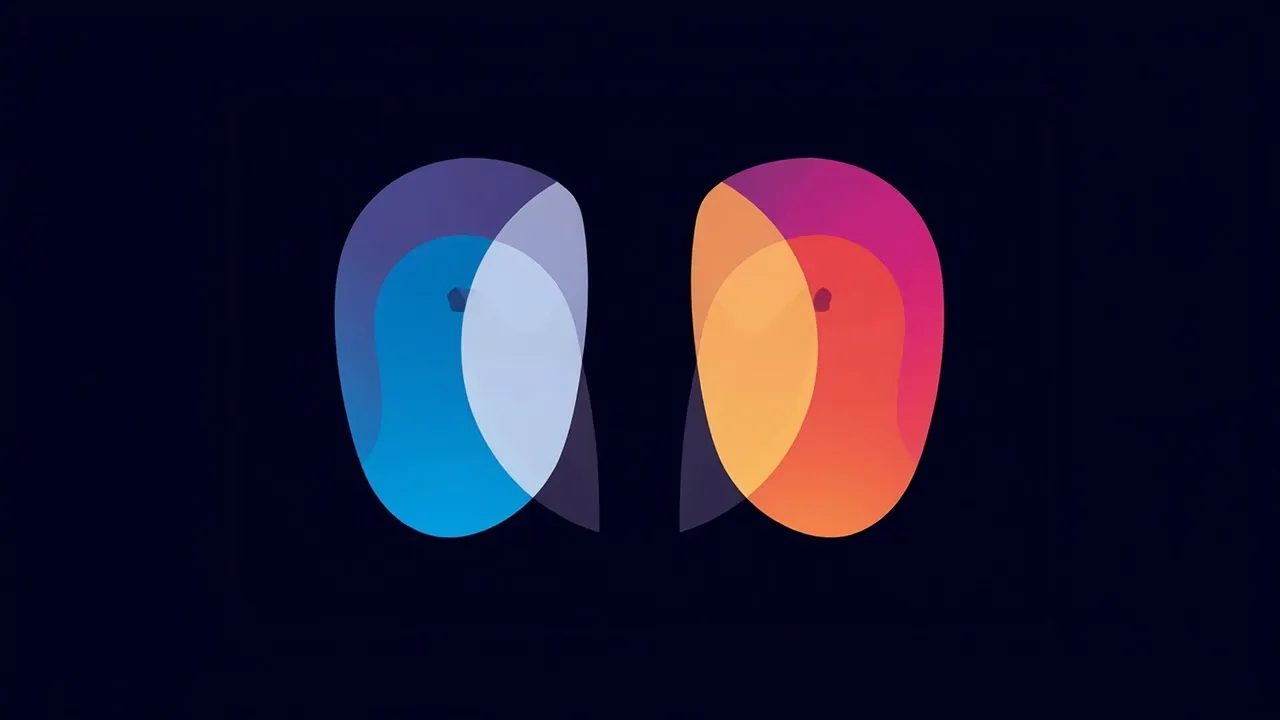
Your brain? It's not one organ. It's two.
I know, I know — stick with me here. This is one of those discoveries that makes you want to text everyone you know, because it fundamentally changes how we think about the most important thing we have.
The "Aha!" Moment Nobody Saw Coming
For basically forever, scientists treated the brain as one big, complicated organ that grew from a single source. Makes sense, right? It's all just... brain stuff in there.
But new research from Stanford University just flipped that assumption on its head. It turns out that the brain — including your brain — is built from two completely separate populations of cells that split apart within days of embryonic development. Like, we're talking super early. Before you even looked like a human being.
The two parts? The forebrain and the hindbrain (which includes the brain stem). They look pretty similar under a microscope, which is probably why nobody caught this for so long. But their DNA packaging? Totally different. They were always separate, even when they decided to cozy up next to each other.
What's the Big Deal About This Split?
Here's where it gets really interesting. These two brain regions aren't just different because of some arbitrary division — they're doing completely different jobs.
Your forebrain is basically your personality. It's where thinking, learning, memory, emotions, and all that abstract reasoning goodness happens. When you're solving a puzzle, daydreaming, or remembering your mom's birthday, that's your forebrain at work.
Your hindbrain? That's your life support system. It handles the stuff you never have to think about — breathing, heartbeat, blood pressure, keeping you conscious enough to read this sentence. It's so fundamental that it's sometimes called the "primitive" brain, but honestly? Without it, you wouldn't be anything at all.
This Goes Way Back
Now here's the part that really blew my mind. Researchers found this same two-part brain arrangement in mice, chickens, zebrafish, and even creepy little creatures called acorn worms that burrow through ocean sediment.
These critters last shared ancestors with us something like 550 million years ago. That's before fish evolved. We're talking ancient, ancient history here.
Even jellyfish — which split from our family tree even earlier and never evolved an actual brain at all — still organize their nervous tissue into anterior and posterior domains. The pattern is so old and so useful that evolution just kept using it.
Why This Matters More Than You Think
Here's the practical reason this discovery matters: those hindbrain progenitor cells had never been successfully grown in a laboratory before. Not once. Ever.
But the Stanford team figured it out. They derived both brain cell populations separately and showed that each one follows its own genetic instructions. Anterior cells follow a gene called Otx2, posterior cells follow one called Gbx2. They're speaking different genetic languages even though they end up neighbors.
Why does this matter? Because diseases like spinal muscular atrophy (SMA) and ALS destroy motor neurons that come from the hindbrain lineage. Now that scientists can actually study these cells in a dish? We might finally understand what goes wrong — and how to fix it.
This is genuinely exciting stuff. For the first time, researchers have a way to study one of the most important parts of your brain that was basically a black box before.
The Takeaway
So next time someone says you only have one brain? You can tell them they're only half right.
Your brain is actually two ancient organs that have been working together for hundreds of millions of years — one handling the stuff that makes you you, the other keeping you alive long enough to appreciate being you. They're like the world's oldest roommates, sharing a bathroom (your skull) and somehow making it work.
And now we finally understand they're two separate guests who arrived at the party at completely different times.
How cool is that?