
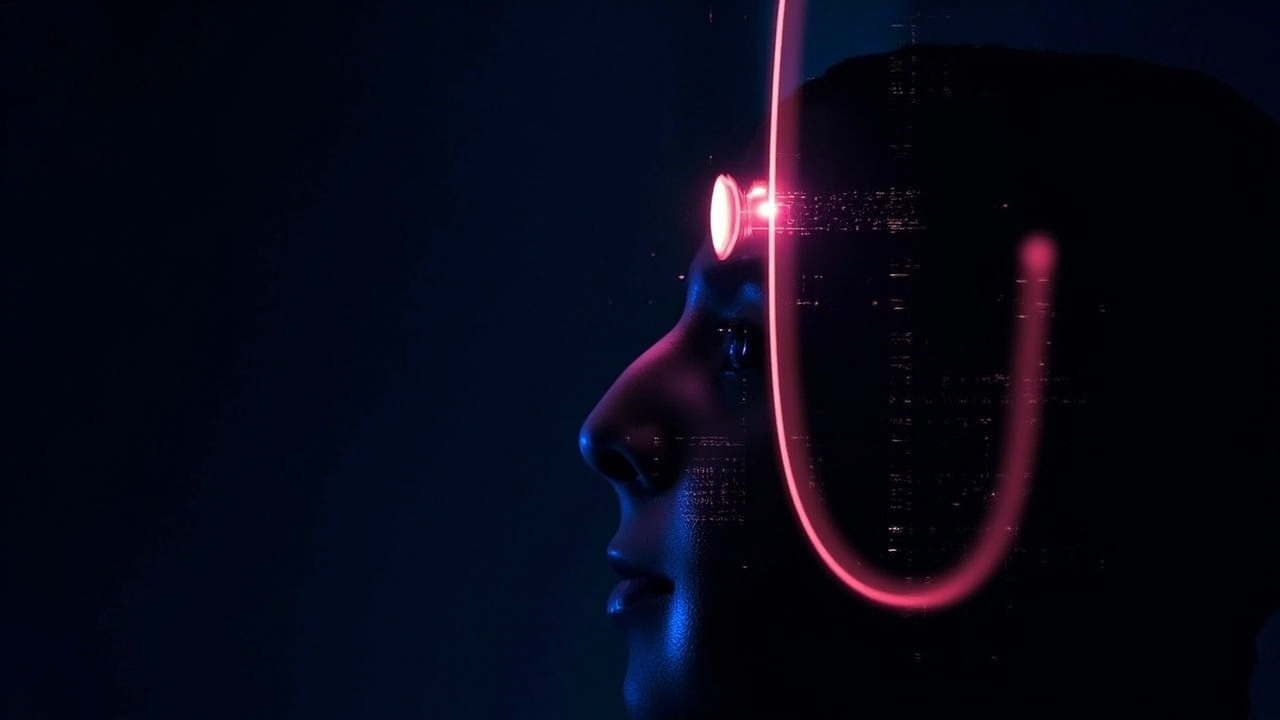
What If Your Body Just...Forgot How to Be Young?
Here's something wild to consider: what if some of what we call aging isn't actual damage, but more like forgetting?
I know, it sounds like I'm getting philosophical, but hear me out. There's fascinating new research suggesting that our cells might actually remember being young—they just lose access to those instructions over time. And now, scientists think they might be able to help cells "re-read" that youthful information.
This isn't just wishful thinking. In 2026, researchers actually started testing this approach in human patients for the first time.
The Three-Gene Wonder
Let me break down what's happening here in the simplest terms possible.
Scientists discovered that by delivering just three specific genes (they're called OSK, in researcher-speak) into eye cells, something remarkable happened. The genes help aging retinal cells act more like their younger selves. In mice with conditions similar to glaucoma, vision actually improved. Damaged optic nerves started regenerating.
Three genes. That's it.
I don't know about you, but I find that both incredible and slightly terrifying. We're talking about reprogramming the fundamental instructions that tell cells how to function.
Why the Eye First?
You might wonder: if this works, why aren't scientists starting with something more critical, like the heart or brain?
Turns out, the eye is kind of the perfect testing ground—and not just because vision loss is devastating. The eye is:
- Easily accessible – unlike, say, the brain
- Self-contained – treatments mostly stay where you put them
- Easy to measure – researchers can precisely track whether vision is actually improving
It's essentially the training wheels for regenerative medicine. Get this right, learn the lessons, and maybe apply them elsewhere.
Dr. Steve Horvath, a researcher who's spent years studying how cells age, put it this way: the study showed that aging might be about lost information, not just accumulated damage. And information, unlike physical damage, can potentially be recovered.
This Changes How We Think About Aging
Here's what really gets me about this research.
For most of human history, we've thought of aging as a one-way street. Time passes. Things break down. End of story.
But if cells are holding onto "memories" of youth—and we can help them access those memories again—that reframes everything. Aging becomes less about irreversible decline and more about... retrieval. About helping our bodies remember what they once knew how to do.
This doesn't mean we're about to reverse all aging or live forever. Let's be real about that. But it does suggest that some aspects of age-related decline might be more fixable than we thought.
The Road Ahead Is Long
I want to be careful not to oversell this. The human trials that started in 2026 are Phase 1—meaning they're primarily checking whether the treatment is even safe for people. Whether it actually restores vision in humans? That'll take much larger studies and many more years.
We're not walking into eye clinics tomorrow for a youthful reprogramming session.
But we're also not talking about pure fantasy anymore. We're talking about real science, in real patients, asking real questions about whether this approach can work in humans.
And honestly? That's pretty exciting.
The bottom line: This research represents a genuine shift in how we think about aging and regeneration. Whether or not this specific approach ultimately works, it's opening doors we didn't even know existed. Your cells remember youth—now scientists are trying to help them hold onto that memory a little longer.