
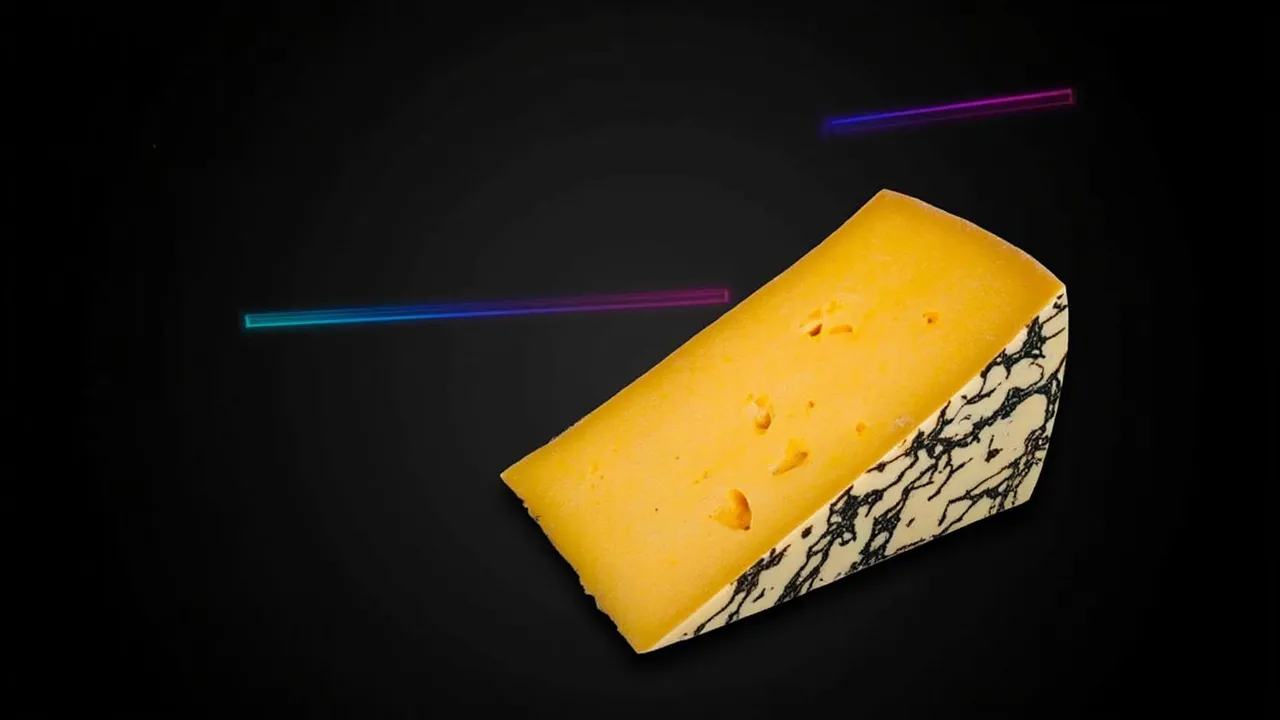
Wait, Cheese Is Actually Good for My Gut?
I know, I know — we've all been told to be careful with dairy. But hold on a minute before you swear off cheese entirely. Researchers at the University of Reading just published findings that made me rethink everything I thought I knew about my favorite comfort food.
They took a deep dive into three artisan cheeses made by Nettlebed Creamery in Oxfordshire — a soft white rind cheese, a washed rind variety, and a hard cheese aged in hay — and tracked what happened to the bacteria inside them as the cheeses matured. What they found honestly surprised me.
The Tiny Cheesemakers Doing All the Work
Here's the thing about cheese: it's basically a microbial ecosystem. As cheese ages, armies of helpful bacteria work their magic, breaking down proteins and fats to create those incredible, complex flavors we all love. It's basically a microscopic fermentation party, and the result is everything from creamy, pungent rinds to nutty, crystalline textures.
Lead researcher Sabrina Longley, who by the way is also a cheesemaker at the very creamery she studied, put it perfectly: "Good cheese is delicious, and the artisan varieties we studied are full of microbial life that could have benefits to your gut health."
But here's where it gets really interesting.
These Little Guys Might Be Doing Double Duty
The researchers found several bacteria in these cheeses that have what's called "probiotic potential" — meaning they might help support the good microbes in your gut. Some highlights:
Streptococcus thermophilus stayed dominant throughout the aging process in the semi-soft and harder cheeses. You might recognize this name — it's also commonly used as a yogurt starter culture.
Lactococcus lactis was detected in all three cheeses from start to finish, basically being a reliable team player throughout the entire maturation process.
And here's one I found particularly fascinating: Propionibacterium freudenreichii showed up in the washed rind and hay-aged cheeses. This little bacterium produces propionic acid, which researchers have linked to anti-inflammatory properties, reduced cholesterol synthesis, and even appetite regulation. How cool is that?
Should You Be Eating the Rind?
If you're someone who scoops up the whole wedge and doesn't leave a crumb (no judgment here!), you'll be happy to know the researchers found even more reason to enjoy every last bit.
The white mold that creates that classic fuzzy rind on Brie-style cheeses — Penicillium candidum — actually produces chitin. That's a dietary fiber that might act as a prebiotic, essentially serving as food for the beneficial bacteria already living in your gut.
So yes, eating the rind might actually help those good gut microbes thrive. Science says it's probably fine to keep doing what you're doing.
The Hay Aging Secret
Now, I saved the most wild finding for last. The hay-aged cheese in the study went through some serious bacterial transformation. By the time it was fully mature (about nine months), it contained nearly four times as many bacterial species as it did earlier in the aging process.
That's like the cheese just kept getting more diverse and interesting the longer it sat there. Hay aging isn't just about flavor — it might actually be cultivating a more robust microbial community.
One More Thing for the Lactose-Intolerant Crowd
Here's some potentially great news if you've been avoiding cheese because of lactose sensitivity: the researchers found that lactose was almost completely absent from all three cheeses once they matured. The lactic acid bacteria basically demolished it during fermentation.
So that aged cheddar you've been eyeing might be way easier on your stomach than you think. Worth a try, right?
The Bottom Line
Before you go eating cheese by the wheel, let's be real: more research is needed. The scientists themselves note that dietary intervention trials would help determine exactly what happens to these bacteria once they enter your gut and what effects they ultimately have.
But personally? I think this is pretty compelling stuff. The idea that something this delicious might also be quietly doing my gut a favor is honestly kind of wonderful. It's not every day that science validates my snack choices.
So the next time you're at a farmers market and spot an artisan cheese with a funky rind or an interesting aging method, maybe give it a shot. Your taste buds — and possibly your microbiome — might thank you.