
Okay, I need you to sit down for this one.
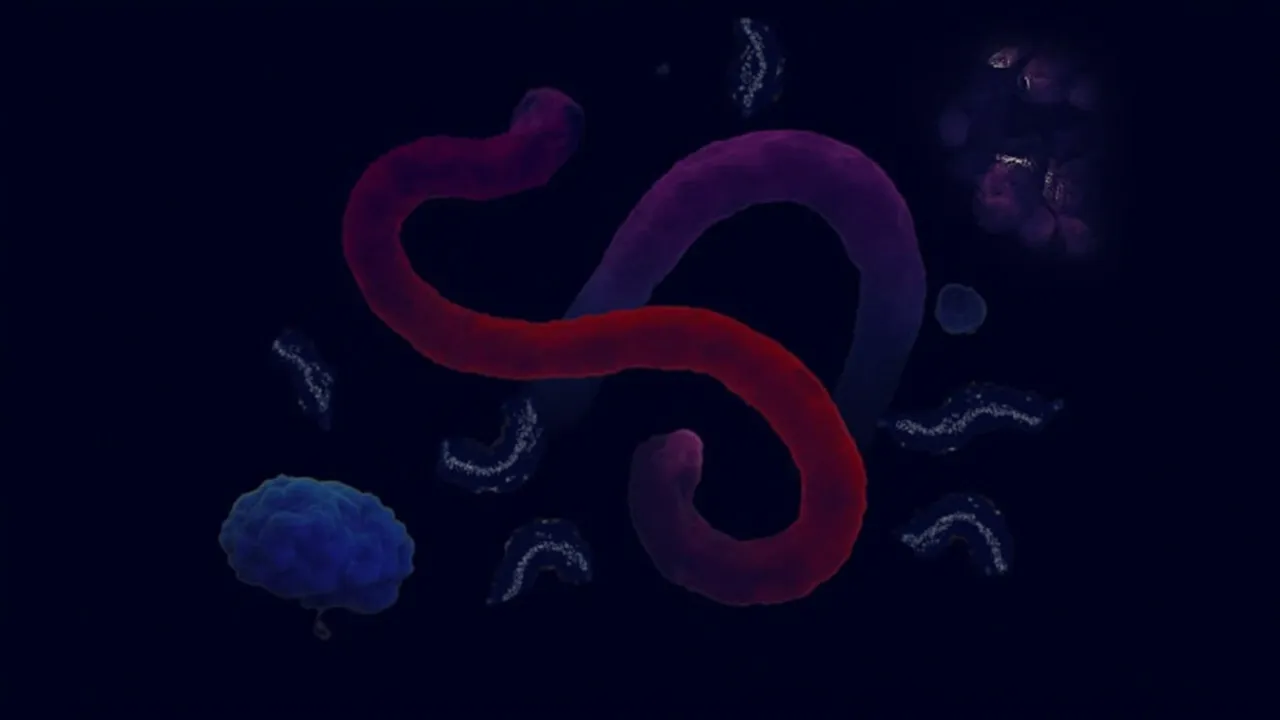
Your gut bacteria might know something about your brain that you don't.
I know, I know—it sounds like the setup for a weird science fiction movie. But hear me out. Researchers at UCLA just published a study that found some genuinely mind-blowing (pun absolutely intended) connections between what's happening in your digestive system and how your brain is aging.
So What's the Big Deal?
Here's the context: scientists have used brain scans for years to estimate something called "brain age"—essentially, how old your brain looks based on how the different regions communicate with each other. When someone's brain looks older than they actually are, that pattern tends to show up in people with memory problems, weaker thinking skills, and mood changes.
But here's what nobody really knew: does this "older-looking brain" thing matter if you're young and healthy? Or is it only relevant for people already experiencing problems?
The UCLA team decided to find out.
They examined brain scans from nearly 1,500 adults across three different study groups. Using a clever scanning technique that measures brain communication patterns, they created a computer model that could estimate each person's "brain age" based on those patterns. Then they compared it to their actual age. The gap between the two became what they called the Brain Aging Index.
And here's what they found: even in younger, generally healthy adults, having an "older-looking brain" mattered. These folks performed worse on tests of working memory and executive function (those mental abilities that help you stay focused, plan things, and hold information in your head). They also reported more symptoms of depression.
But Wait, It Gets Weirder
For one of the study groups, the researchers also analyzed stool samples. Yes, you read that correctly—they looked at poop to see if gut bacteria were connected to brain aging.
And wow, were they ever.
People with higher Brain Aging Index scores had specific gut bacteria profiles and certain metabolic byproducts floating around. They found connections to fat molecules, cholesterol-related compounds, and lower levels of a hormone called estetrol. The biological pathways involved touched everything from immune function to blood vessel health to how brain cells produce energy.
It's like discovering that your gut is sending secret messages to your brain, and those messages might be influencing how quickly you experience cognitive decline.
Why Should You Care?
The most striking part of this research, to me, is what Dr. Arpana Church, the study's senior author, said: "Brain aging doesn't suddenly begin when we get older, but the biological signals may be detectable decades earlier."
Let that sink in for a moment.
The changes that eventually lead to cognitive decline might already be underway in your twenties or thirties—long before you'd ever notice a problem. Your gut bacteria might be whispering warnings about your brain's future while you're busy living your life.
This doesn't mean we should all panic and start obsessively analyzing our digestive systems. But it does open up some genuinely exciting possibilities. If researchers can identify people at higher risk for cognitive or mood problems earlier in life, they might eventually develop interventions to help. And the fact that the gut appears to be part of the equation suggests that someday, supporting brain health might be as simple as taking care of your microbiome.
The Bottom Line
I'm the kind of person who tries to take science with a grain of salt—we've been burned before by studies that seemed revolutionary and then didn't pan out. But this research feels different. It's not claiming to have found a cure or a treatment. Instead, it's pointing us toward new pathways to explore, new questions to ask, and new ways of thinking about brain health that start much earlier than we used to think.
Your gut bacteria are more than just helpful digesters. They might be little biological messengers, keeping your brain company and possibly even influencing its destiny.
Take care of your gut, folks. Your future brain might thank you for it.
Source: ScienceDaily - https://www.sciencedaily.com/releases/2026/10/261001214106.htm