
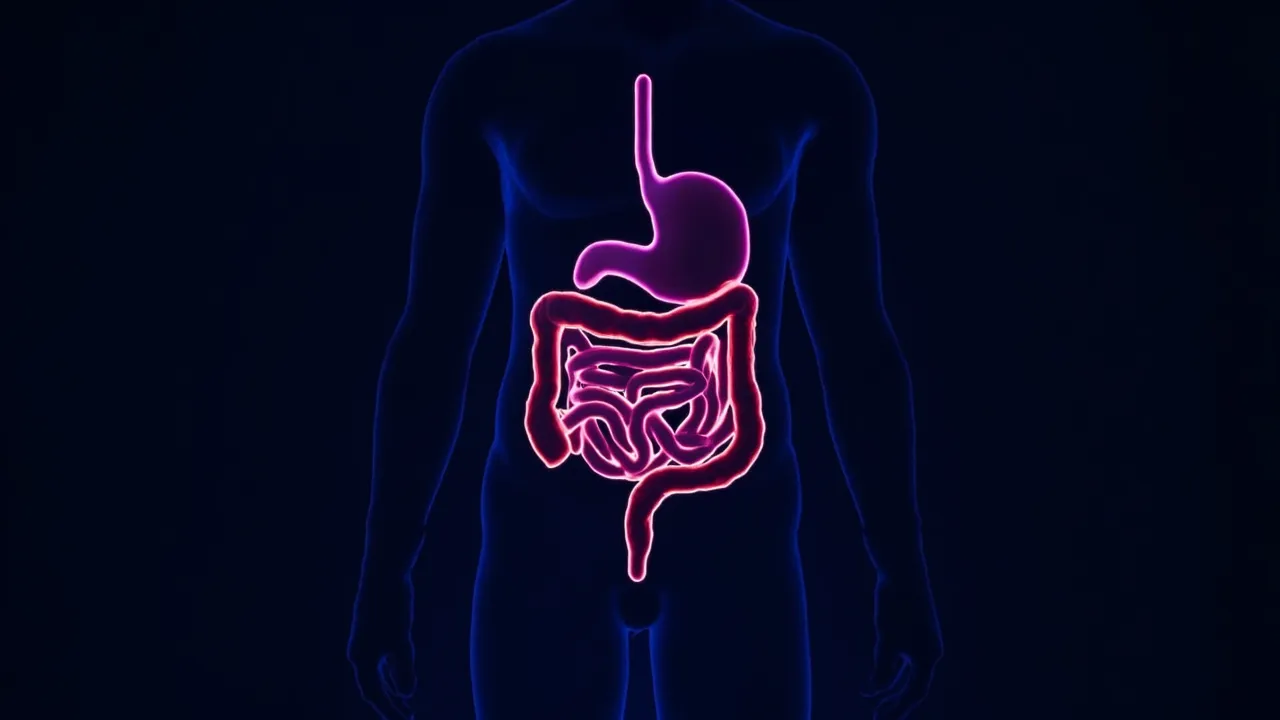
Okay, I need you to sit down for this one.
Your gut bacteria, those trillions of microscopic roommates who've been living rent-free in your digestive system this whole time, might be eating you.
I know. I know. That sounds like the premise of a horror movie. But according to some fascinating new research from Princeton, this is exactly what can happen when you don't feed your microbiome enough fiber.
The Hungry Microbiome Problem
Here's what's going on. You've got roughly 38 trillion bacteria living in your gut right now (give or take a few trillion). These little guys have a job to do: help digest your food, support your immune system, and generally keep things running smoothly.
But here's the thing — they need to eat too.
When you consume fiber (which humans can't digest on their own), your gut bacteria feast on it and produce all sorts of beneficial compounds. It's a beautiful symbiotic relationship. You provide the food; they do the dirty work of breaking it down and creating metabolites that benefit your health.
The problem arises when fiber intake drops. And let's be honest — most of us aren't exactly crushing our daily fiber goals. The average person eats way less fiber than nutritionists recommend.
So what happens when your gut bacteria are starving? According to this research, they start looking for other food sources. And unfortunately, your gut lining looks pretty appetizing to them.
When Good Bacteria Go Bad
The researchers, led by Jenna AbuSalim and Joshua Rabinowitz at Princeton, discovered something fascinating. They found that when gut bacteria don't have enough fiber to munch on, they start breaking down the mucus layer that protects your intestinal lining.
This is a big deal because when bacteria consume this protective mucus, they produce compounds called "harmful phenols." These aren't the good kind of phenols you'd find in, say, red wine or blueberries. These are the troublemakers — compounds linked to worse outcomes in cancer patients and systemic toxicity in people with kidney disease.
But here's where it gets interesting. The researchers also discovered that certain plant proteins can actually shift this balance in a positive direction. They call these "Prifs" — proteins imitating fiber. How cute is that?
These Prifs are found in plants, and they behave similarly to fiber in your gut. They give your hungry bacteria something to eat other than your own intestines, and they encourage the production of those beneficial phenols instead of the harmful ones.
The Good Guys vs. The Bad Guys
Let me break down what the researchers found:
The beneficial phenols (phenylpropionate and hippuric acid) come from bacteria digesting phenylalanine — an amino acid found in dietary proteins. These are associated with gut health and healthy body weight.
The harmful phenols (p-cresol sulfate and phenol sulfate) come from bacteria digesting tyrosine. When your bacteria are desperate and start eating your gut lining, they produce more of these bad boys.
Fiber helps reduce the harmful phenols by giving bacteria better options. Prifs help by increasing the amount of dietary protein that reaches your gut microbes, giving them the building blocks to produce those beneficial compounds.
It's like you're redirecting your microbiome's appetite toward healthier options.
Here's What This Means For You
Honestly, I find this research both terrifying and oddly reassuring.
Terrifying because it reminds us that our relationship with our microbiome is more delicate than we might think. We're not just passively hosting these bacteria — we're in a constant negotiation with them about what's for dinner.
Reassuring because the solution is refreshingly simple: eat more plants. More fiber, more of those interesting Prif proteins, more of the good stuff that keeps your gut bacteria satisfied and less interested in, um, you.
The researchers are already talking about how food packaging might eventually list Prif content right alongside fiber. "Eat more plants" has never felt more like medical advice.
So next time you're reaching for that second slice of pizza, maybe throw in some beans, whole grains, or veggies too. Your gut bacteria will thank you. And more importantly, your gut lining will thank you.
Your move, microbiome.
Source: ScienceDaily