
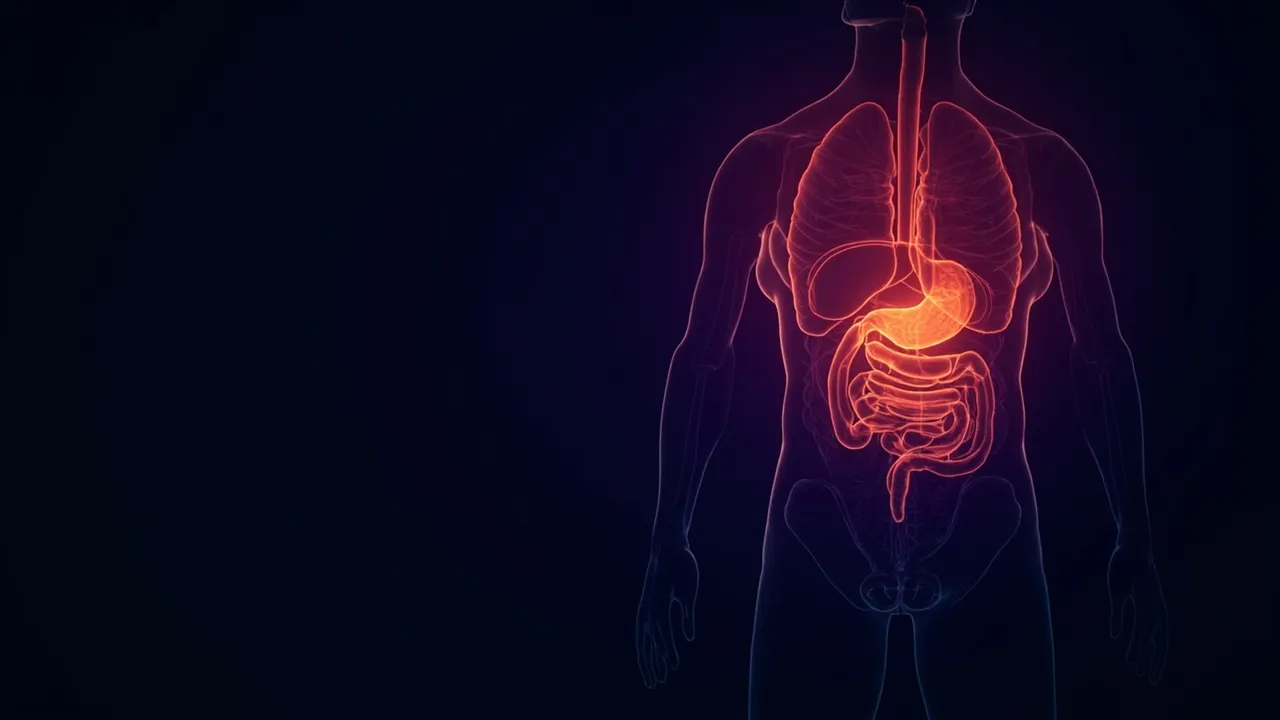
Okay, I have to share something that genuinely excited me this week. Scientists have discovered something pretty remarkable: an experimental drug that can actually reverse severe fatty liver disease — not just slow it down, but actually reverse it. And get this — it works by healing your gut.
Yep, your gut.
Wait, There's a Gut-Liver Connection?
I know what you might be thinking: "What does my digestive system have to do with my liver?" It sounds a bit far-fetched, right? But it turns out these two organs are actually best friends in a biological sense. Scientists call it the "gut-liver axis," and it's becoming a hot topic in medical research.
Here's the simplified version of what's happening: your gut is home to trillions of bacteria — most of them helpful, but some not so much. When everything's balanced, your intestinal lining acts like a bouncer, keeping the bacteria and their byproducts safely contained. But sometimes, that barrier gets damaged. And when it does, harmful stuff can leak into your bloodstream and head straight to your liver.
That's where trouble starts.
The Villain: A Particular Gut Bacterium
Researchers at Michigan Medicine were curious about what exactly was causing this damage in people with severe fatty liver disease (called MASH, which affects about 7% of people worldwide). What they found was pretty fascinating: a specific bacterium called Clostridium perfringens was overgrowing in the gut and producing ammonia. Too much ammonia damages the intestinal lining, creating exactly the kind of leak we just talked about.
Once those harmful microbial products escape into the bloodstream, they reach the liver and trigger inflammation. The liver responds by activating immune cells called CD8+ T cells, which sound helpful but can actually cause more damage when they're overstimulated. It's a nasty chain reaction, and once it gets going, it's hard to stop.
Meet DT-109: The Experimental Drug
Now here's where it gets exciting. The researchers developed a compound called DT-109 — a glycine-based tripeptide (fancy way of saying it's a small protein piece) — and discovered it can interrupt this entire chain of events.
In both mice and nonhuman primates, DT-109 did three remarkable things:
- Reduced those harmful bacteria — specifically lowering Clostridium perfringens levels
- Decreased ammonia production in the intestines
- Restored the gut barrier — essentially patching up the leaks
And the results in primates are especially promising because their biology is much closer to ours than mice. In these animals, DT-109 reduced liver inflammation and significantly improved MASH severity. The intestinal barrier became stronger, limiting the movement of harmful substances from the gut into the body.
"This compound shows benefits to the gastrointestinal system and has great potential as a treatment for MASH," said Dr. Eugene Chen, the study's senior author.
But Wait — It Gets Even Better
Here's something that really caught my attention: the researchers believe DT-109 might help with more than just fatty liver disease.
Previous studies showed that this same compound can reduce atherosclerosis plaques (that's the stuff that clogs your arteries) and prevent vascular calcification in primates. So potentially, this drug could help protect both your liver and your heart.
That's huge because many people with fatty liver disease also have cardiovascular problems. Having one treatment that could address both would be a game-changer.
There's also speculation that DT-109 could eventually be explored for inflammatory bowel disease (IBD), since that condition also involves a compromised intestinal barrier.
What This Means for Patients
Right now, if you're one of the millions of people dealing with MASH, your options are limited. The disease can progress to cirrhosis, liver cancer, or liver failure if left unchecked, and existing treatments aren't very effective. What patients really need is a safe, effective therapy that can actually improve their liver health.
DT-109 isn't ready for humans yet — the team still needs to conduct additional safety testing and move into clinical trials. But the path forward is becoming clearer.
"This study presents novel evidence about the pathogenesis of MASH and provides excitement about a therapeutic avenue to explore for a condition that remains difficult to treat," said Dr. Elliot Tapper, Academic Director of Hepatology at Michigan Medicine.
The Bigger Picture
I love this story because it's a perfect example of how understanding the hidden connections in our body can lead to breakthrough treatments. Who would have thought that fixing your gut could save your liver?
It reminds me that our bodies are incredibly interconnected systems. Sometimes the key to solving a problem in one organ isn't to focus on that organ directly — it's to look at what's happening elsewhere and trace the connections.
So the next time someone mentions gut health, maybe don't dismiss it as just about digestion. It might be more important than you think.
Source: ScienceDaily - Experimental drug reverses fatty liver disease by repairing the gut