
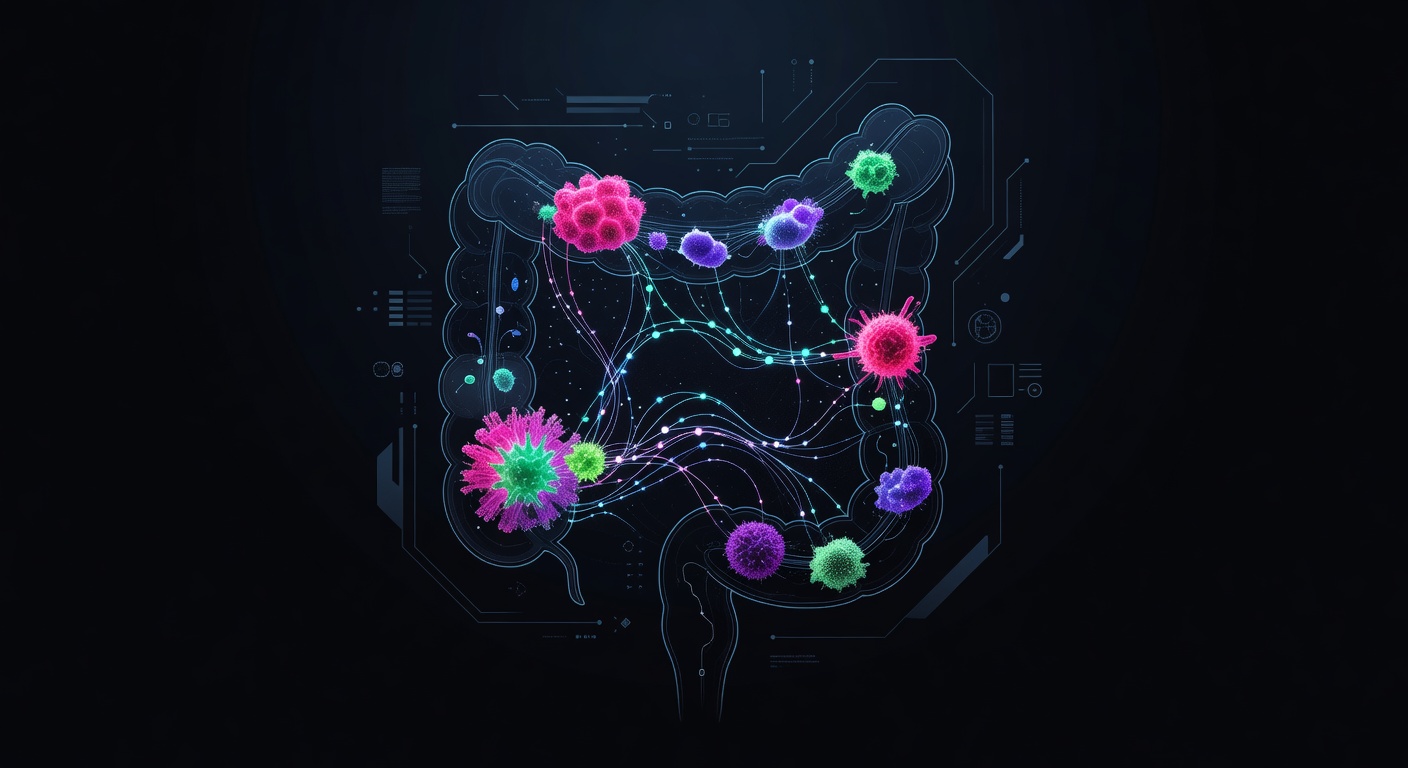
The Microscopic Universe Inside Your Cancer
Here's something that might blow your mind: every cancer cell in your body isn't actually alone. It's surrounded by an entire ecosystem of bacteria, viruses, and other microorganisms. Researchers at the University of East Anglia just made a wild discovery about what's living inside colorectal cancer tumors—and it could reshape how we fight this disease.
I'll be honest, when I first read this, I thought it sounded like science fiction. But the evidence is pretty compelling. Out of 22 different cancer types they studied, only colon cancer showed this distinct and consistent microbial signature. That's huge.
Why This Actually Matters
Let's put this in perspective. Colorectal cancer kills more people in the UK than we'd like to admit. It's the fourth most common cancer and the second leading cause of cancer-related deaths. That means we desperately need better ways to diagnose it early and predict how aggressively it'll behave in each individual patient.
Here's where the microbe angle gets interesting: if colorectal tumors have their own unique microbial fingerprint, doctors might be able to use that as a diagnostic tool. Imagine being able to confirm a diagnosis not just by looking at the tumor cells, but by identifying the specific community of microbes living inside it. It's like each tumor has a microbial ID card.
How They Actually Found This
The research team did something clever—they used genetic sequencing data from over 9,000 cancer patients and analyzed the DNA of all the microorganisms hiding in those samples. Using computer programs to filter out human DNA and focus on the microbial DNA, they basically created a microbial "census" for each cancer type.
Dr. Abraham Gihawi, the lead researcher, explained that when you're collecting cancer DNA sequences, you're automatically capturing information about all the microbes present too. So instead of throwing that data away, they decided to study it systematically. The result? They found that colorectal tumors genuinely stand out from the crowd.
The Plot Thickens: Microbes Might Predict Your Outcome
Here's where it gets really interesting for cancer patients. The research suggests that these microbes aren't just passive bystanders. In some cases, they appear to influence how well patients respond to treatment.
The team discovered that certain bacteria in some sarcoma cases were linked to worse survival rates. But here's the optimistic flip side—in other sarcoma cases, specific bacteria were actually associated with better survival outcomes. This means doctors might eventually be able to look at the microbial makeup of a tumor and predict, with reasonable accuracy, how a patient will fare and which treatments might work best.
It's personalized medicine at a microscopic level.
Bonus Discovery: Catching Sneaky Viruses
While they were at it, the researchers also discovered something else valuable. In oral cancers, they were able to detect HPV (human papillomavirus) more accurately than some current diagnostic tests can manage. They even caught rare but serious viruses like HTLV-1, which can hide dormant in your body for years before potentially causing cancer.
Think of it this way: whole genome sequencing is like giving your cancer a comprehensive background check. It reveals not just what the cancer is, but what's living alongside it.
The Real-World Payoff
Here's what I find most exciting about this research: it doesn't require completely new technology or massive new investments. Whole genome sequencing is increasingly becoming standard practice in hospitals anyway. The researchers basically found a way to squeeze extra valuable information out of data that's already being collected. It's like discovering a secret compartment in a room you've been using for years.
This could mean better diagnoses, more accurate prognosis predictions, and ultimately, better treatment decisions. And it could happen without hospitals having to completely overhaul their infrastructure.
What This Means for the Future
The implications stretch beyond just colon cancer. If microbes play such an important role in colorectal cancer, researchers will likely keep digging into how microbes influence other cancer types. Maybe future treatments won't just target the cancer cells themselves—maybe they'll target the microbial communities supporting them too.
Prof Daniel Brewer from the same research team pointed out that this work highlights how genomic analysis is becoming absolutely essential in precision medicine. We're moving away from one-size-fits-all cancer treatment toward an era where every patient's tumor—including its resident microbial community—gets analyzed individually.
That's genuinely exciting stuff.
The Takeaway
The inside of a colorectal tumor is way more interesting than scientists initially realized. Those microbes living there aren't just along for the ride—they might actually hold clues to better diagnosis, more accurate prognosis, and improved treatment outcomes. It's a reminder that sometimes the most important discoveries come from looking at what we thought we already understood, just in a completely different way.
Science keeps surprising us. And honestly, when those surprises could save lives, that's the best kind of surprise there is.