
markdown formatted blog content
Why Do Some People Die From the Flu While Others Barely Notice It?
Here's something that still amazes me: two people can get the exact same infection, and one bounces back within days while the other ends up in the ICU. Scientists have been scratching their heads over this for decades.
The difference comes down to something called disease trajectory—essentially, the path your body takes when it encounters illness. Will you recover quickly, or will things spiral downhill? Age, genetics, and overall health all play a role, but researchers have been hunting for other factors we might actually be able to control.
And here's where things get interesting. A team at the Salk Institute just stumbled onto something that could change how we think about treating serious infections—and it involves something most of us never think about twice: our kidneys.
The Inflammation Problem
Let me break down what's happening in your body during a serious infection. When your immune system spots a threat—bacteria, viruses, whatever—it fires up inflammation. This is good! Inflammation is like your body's alarm system, calling in the immune cavalry to fight off invaders.
But here's the catch: when that inflammation gets too intense, things go sideways fast. All those immune cells rushing to help end up flooding the area with signaling proteins called cytokines. Think of cytokines as the body's emergency broadcast system. In moderation, they're essential. But when too many pile up, they start damaging healthy tissues instead of just fighting the infection.
This cytokine overload is what sends people down that dangerous path toward severe illness or even death. It's not always the pathogen itself that kills—sometimes it's the body's own inflammatory response getting out of control.
The Methionine Discovery
So what if we could dial back the inflammation without shutting down the immune system entirely? That's exactly what researcher Janelle Ayres and her team at the Salk Institute decided to investigate.
They worked with mice infected with a nasty bacterium called Yersinia pseudotuberculosis—something that causes serious, potentially fatal inflammation in these animals. The scientists were looking at how the mice's metabolisms changed during infection, and they noticed something curious: the infected mice had significantly lower levels of an amino acid called methionine in their blood.
Methionine is something your body can't make on its own—you get it entirely from food. It's in meat, eggs, and some plant foods. And here's where the experiment got interesting: when researchers supplemented the infected mice's diet with extra methionine, something remarkable happened.
Those mice survived.
While untreated mice with the same infection wasted away, developed brain barrier problems, and died—mice getting methionine supplements stayed protected. The amino acid literally saved their lives.
The Kidney Connection
Now here's the part that genuinely surprised me, and apparently the researchers too. Methionine wasn't working through the immune system at all. It was working through the kidneys.
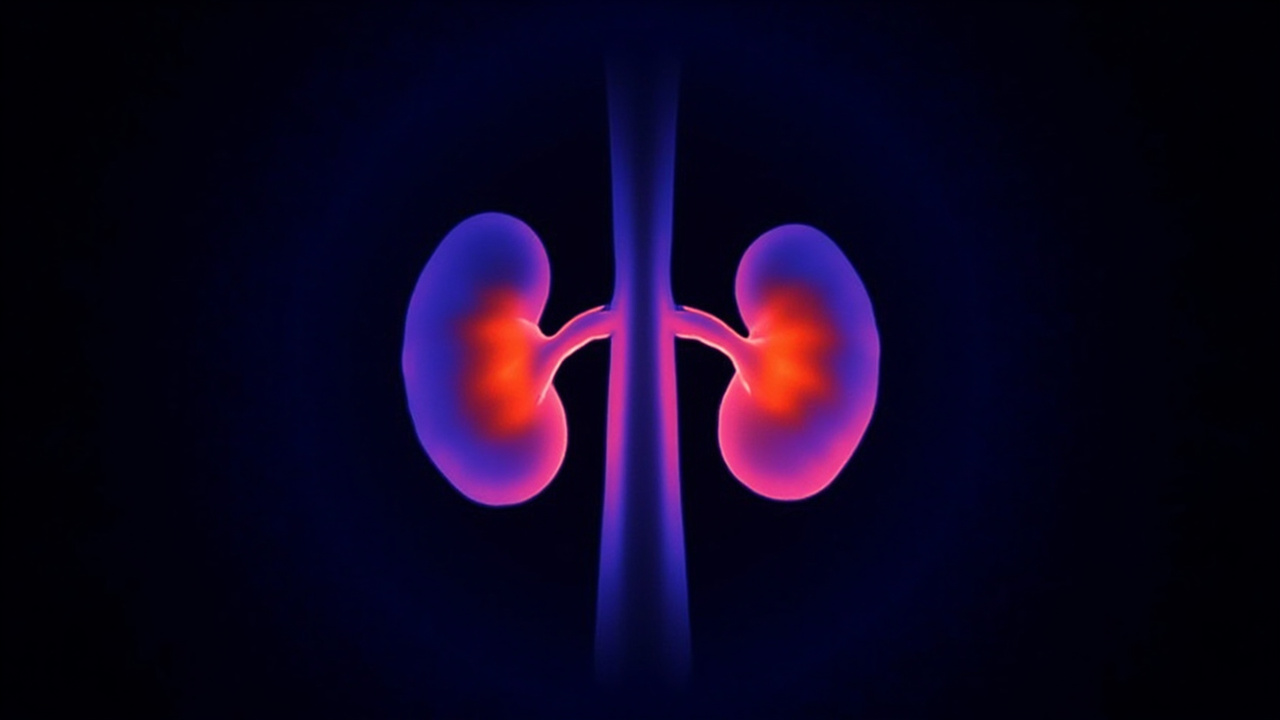
The kidneys, it turns out, do more than just filter waste from your blood. They also help clear out those excess pro-inflammatory cytokines—the very proteins that drive severe inflammation. When methionine levels were high, the kidneys became more efficient at their filtration work. Blood flow improved. More cytokines got filtered out and excreted in urine.
But here's the crucial part: this cleanup operation didn't interfere with the immune system's actual fighting. The mice could still battle the infection effectively—they just weren't being overwhelmed by their own inflammatory response.
The researchers tested this in other disease models too. Sepsis. Kidney injury. In both cases, methionine supplementation offered similar protective effects. This suggests the mechanism isn't specific to one infection—it's a more general way the body manages inflammation.
What This Means for Human Health
Okay, let's pump the brakes for a second. This research is in mice, and mice are not tiny humans. What works in a lab mouse doesn't always translate to human medicine. The researchers themselves are careful to note that much more research is needed before we'd know if this could help people.
But the implications are genuinely exciting. We're talking about a simple dietary supplement—an amino acid that already exists in food—potentially helping people survive severe infections, sepsis, or kidney disease. That's a pretty big deal if it holds up.
The bigger picture here is what this tells us about the relationship between nutrition and recovery. We've long known that getting proper nutrition helps people heal faster. But this research suggests something more specific: certain nutrients might actually be mechanistically important in determining whether someone survives a serious illness.
Ayres put it well when she said this points toward nutrition as a "mechanistically informed medical intervention"—not just eating well because it's generally good for you, but understanding exactly how specific nutrients influence disease outcomes.
The Takeaway
I don't know about you, but I find this kind of research genuinely hopeful. We're not just talking about eating more vegetables in general or following some vague "boost your immunity" advice. We're talking about understanding the precise biological mechanisms that determine who gets through serious illness and who doesn't.
Of course, nobody should start mega-dosing methionine supplements based on this research alone. Too much of anything can be problematic, and we don't yet know what optimal supplementation would look like for humans, if it works at all.
But this research opens up fascinating new questions. Could monitoring amino acid levels help predict which patients are at risk? Could targeted nutritional interventions become part of critical care medicine? Could we one day use nutrition strategically to guide patients away from dangerous disease trajectories?
The humble kidney—often overlooked compared to flashier organs like the heart or brain—might just turn out to be a key player in keeping inflammation in check. And that's a story worth paying attention to.