
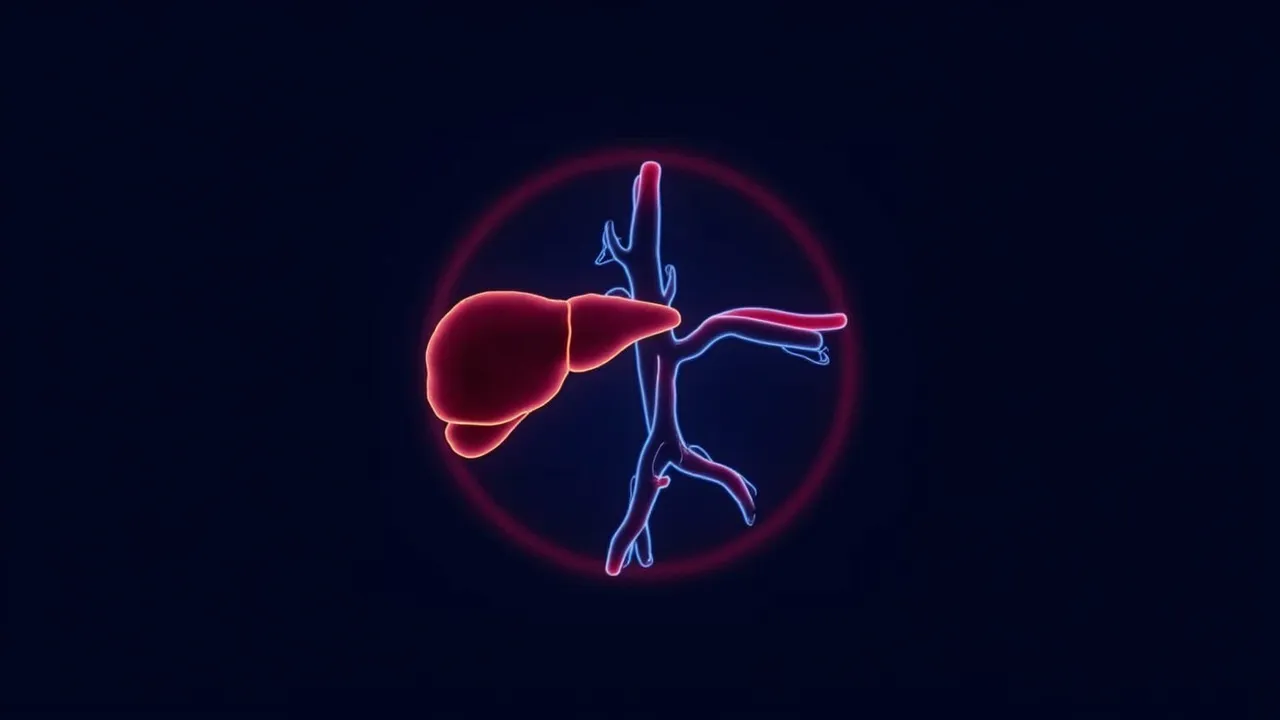
Your Liver Is Trying to Save Itself, But It's Getting Stuck in a Terrible Loop
Okay, here's something that might surprise you: your liver is basically a superhero. It can regenerate itself after damage—cut off half of it, and it'll grow back. Pretty incredible, right?
But here's the heartbreaking part I just learned from some fascinating new research. If you've been drinking too much for too long, that amazing healing ability can actually get broken. And even worse? The damage might persist even after you stop drinking.
I know, I know—that sounds completely unfair. But stick with me, because the science behind this is genuinely fascinating, and it might give hope for future treatments.
The Liver's Clever Trick
So here's how a healthy liver repairs itself. When your liver gets injured—say, from too much alcohol or a viral infection—the surviving liver cells do something pretty clever.
They temporarily de-differentiate. That sounds complicated, but think of it like this: your mature, specialized liver cells step backward in their development. They become sort of like stem cells again—less specialized, but able to multiply and create new tissue.
Once they've made enough new cells, they mature back up and resume their normal jobs. It's like pressing a reset button temporarily, then switching back to "adult mode" once the emergency is handled.
This is what makes liver transplantation possible, and it's why the liver is one of the few organs that can actually recover from significant damage.
But There's a Catch
Here's where things go wrong in alcohol-related liver disease. Researchers at the University of Illinois Urbana-Champaign, Duke University, and the Chan Zuckerberg Biohub Chicago recently published findings in Nature Communications that reveal what happens to this repair process when alcohol gets involved.
The scientists compared healthy liver samples with tissue from people who had alcohol-related hepatitis or cirrhosis. What they found was striking.
The damaged liver cells had started the repair process—they'd begun moving away from their mature state and toward that regenerative, progenitor state. But they got stuck. They couldn't complete the transition.
So these cells ended up in this weird limbo: not functioning properly as adult liver cells, but also not successfully regenerating as progenitor cells. The researchers call this a "quasi-progenitor state," and it's basically a cellular dead end.
Why Does This Happen?
The team dug deeper to figure out why the cells couldn't finish their transition. And here's where things get really interesting from a biological standpoint.
They discovered that inflammation caused by alcohol damage was disrupting something called RNA splicing.
Now, I know that sounds like jargon, so let me break it down. DNA is like the master instruction manual in each of your cells. But those instructions need to be copied and processed before they can be used to build proteins—the actual workhorses of your cells.
RNA is the messenger that carries those instructions. But here's the cool (and complicated) part: RNA comes with extra sections that need to be edited out before the instructions make sense. That editing process is called splicing.
In healthy cells, this happens smoothly. Different sections get included or excluded to create different versions of proteins with different functions. It's like having one recipe book that can make multiple dishes depending on which pages you read.
But in these damaged livers, the RNA is getting misspliced. Thousands of genes are affected. The proteins that get made are basically broken or misplaced. And this is what's trapping the liver cells in that limbo state—they literally can't complete the molecular steps needed to finish their transformation and get back to work.
A Vicious Cycle
Here's what makes this so damaging. Because these stuck cells can't do their normal jobs, the remaining healthy liver cells get overwhelmed. They try to step in and compensate, and then they attempt the repair process—only to potentially get stuck in the same trap.
More cells get trapped, fewer cells work, the remaining cells get more overwhelmed... it's a vicious cycle that eventually leads to liver failure.
And this explains why some patients continue declining even after they stop drinking. The damage isn't just from ongoing alcohol exposure—it's from this broken repair mechanism that the body literally can't escape from.
What Does This Mean for Treatment?
This is where things get hopeful (finally!). Right now, the only real treatment for advanced alcohol-related liver disease is transplantation. But understanding why the liver fails opens up possibilities for new interventions.
If researchers can figure out how to fix the RNA splicing problem or help cells escape that trapped state, they might be able to develop drugs that actually help the liver heal instead of just replacing it.
The research team is now looking at whether they can find ways to intervene in this process. It's early days, but this gives scientists a much clearer target to aim for.
The Takeaway
Look, I'm not going to pretend this research is all sunshine and rainbows. It does raise some concerning points—mainly that alcohol damage can have lasting effects on the liver even after you quit. That's not nothing.
But here's what I choose to focus on: we now understand why this happens. And that understanding is the first step toward doing something about it.
The liver is still a superhero. It's just that alcohol has found one specific way to temporarily neutralize its powers. Now that we know that trick, maybe we can figure out how to reverse it.
Source: ScienceDaily