
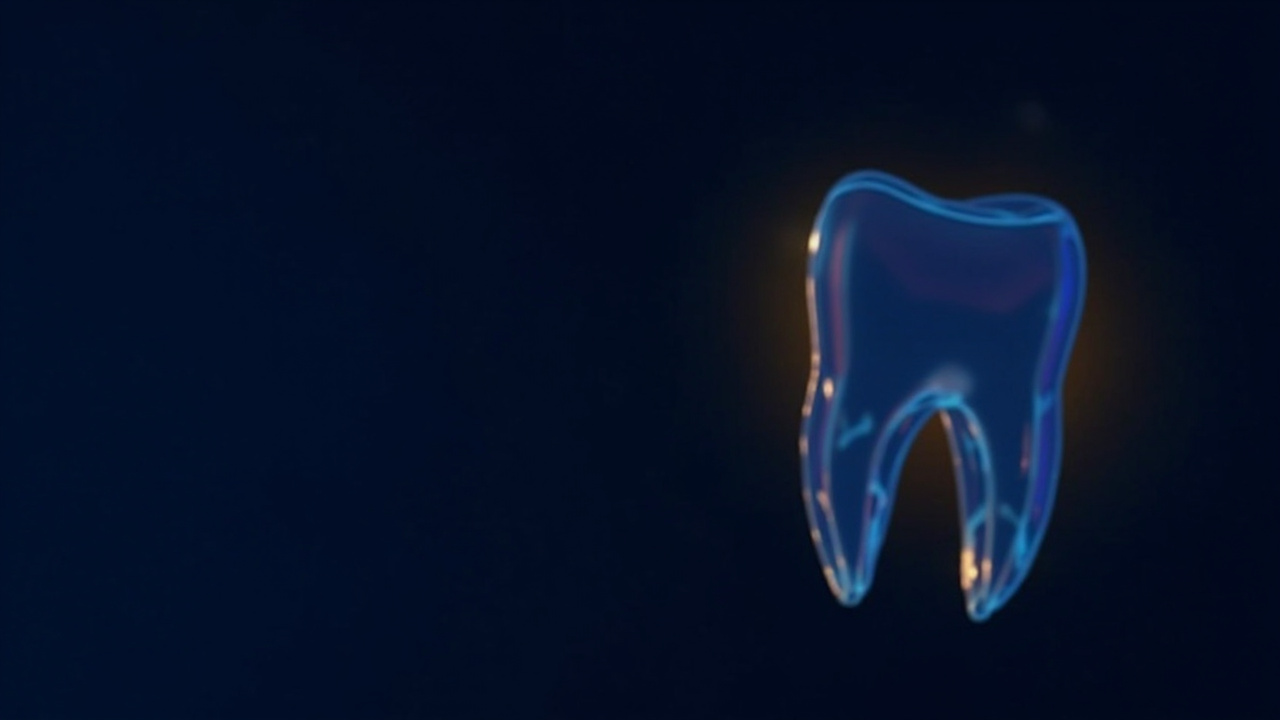
The Tooth Fairy's Real Problem
Let me be honest: teeth are kind of unfair. Your bones break? No problem—your body patches them right up like they were never damaged. It's one of nature's most underrated superpowers. But teeth? They're the opposite. They're the hardest things in your entire body (thanks, enamel!), yet the moment one goes missing, that's it. Game over. You're either dealing with a gap in your smile or dropping serious cash on implants and bridges.
This has been the reality for millions of people worldwide. Some folks lose teeth to accidents, others to decay, and some are just born without certain teeth. It's rough, and until recently, there wasn't a whole lot of hope on the horizon.
Where This Wild Idea Came From
Here's where it gets interesting. A few years back, researchers at Kyoto University started poking around something called USAG-1—this protein that, weirdly enough, actually prevents teeth from growing. They tested this theory in ferrets and mice (which, conveniently, have dental patterns similar to humans), and sure enough, when they blocked this protein, teeth started growing.
The scientists developed a special antibody to disable USAG-1, basically telling your body "stop blocking teeth growth!" It sounds almost too simple, but sometimes the biggest breakthroughs come from understanding what was holding us back in the first place.
The Human Experiment Has Begun
This is the exciting part—the theory has now moved into actual human testing. Starting in September 2024, researchers at Kitano Hospital in Osaka began giving this experimental drug to real people. I'm talking about actual humans with actual missing teeth, not just lab animals.
The initial trial is focused on 30 men between 30 and 64 who each have at least one missing tooth. The drug gets delivered straight into the bloodstream intravenously, so scientists can carefully monitor how it works and whether it causes any problems. The good news? The animal studies didn't show any scary side effects, which is a solid sign.
When Could You Actually Get This Treatment?
If this trial goes well—and from what I'm reading, the team seems cautiously optimistic—the next phase gets even more ambitious. They're planning to treat kids between 2 and 7 who are missing multiple teeth. And here's the timeline that's got everyone talking: they're aiming to have a tooth-regrowing medicine available to the public by 2030.
That's just around the corner in medical research terms. We're not talking about some distant sci-fi future—we're talking about the next five or six years.
Who Really Needs This?
Right now, the focus is on people with congenital tooth deficiency—meaning they were born without certain teeth. But the researchers are thinking bigger. The team, led by Katsu Takahashi at Kitano Hospital, has explicitly stated they want this treatment eventually available for anyone who's lost a tooth, whether it's from injury, disease, or just bad luck.
That's kind of a big deal. We're potentially looking at a permanent solution to tooth loss that doesn't involve drilling, implants, or bridges. Just your body doing what it should have been doing all along.
Why Should You Care?
Beyond the obvious "I'd like to keep my teeth" angle, this represents something larger about how medicine is evolving. Instead of just treating the problem (adding fake teeth), we're learning to remove the blockade and let your body handle it naturally. It's the kind of thinking that's popping up across regenerative medicine right now.
Plus, let's be real—dental work is expensive and uncomfortable. If there's a chance we can skip that entire chapter of our lives, most of us are going to be pretty interested.
The Caveat (Sorry, I Had to)
This is still in early trials, so we shouldn't get too ahead of ourselves. Plenty of promising treatments don't make it to market, or face complications we can't predict. But the fact that it's moving to human testing, that safety records look good so far, and that we have a specific timeline? That's the kind of news that actually deserves your optimism.
So while you can't throw away your toothbrush just yet, there's a real chance that missing teeth could become a treatable problem instead of a permanent inconvenience. In the world of biological medicine, that's pretty extraordinary.
The Timeline to Remember:
- 🔬 Now: Human trials underway
- 👨👧**: 2025-2030: Testing in younger patients
- 🎉 2030: Potential availability for public use