
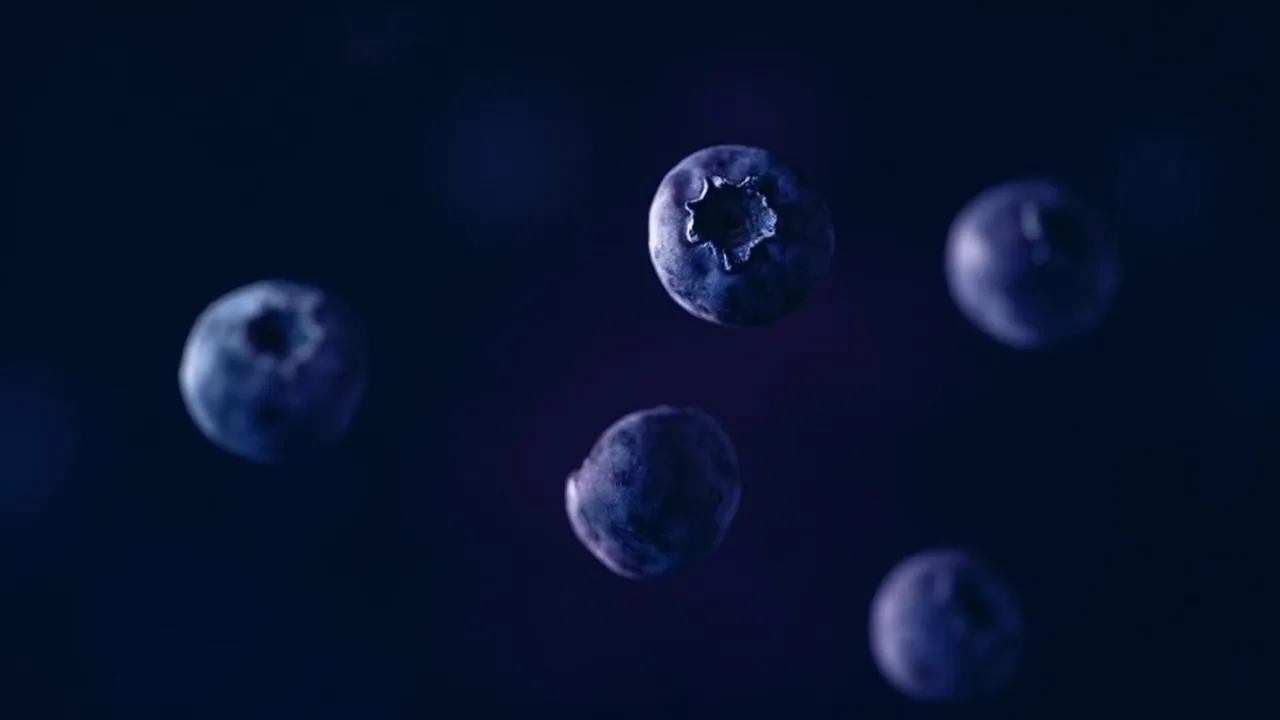
Okay, confession time: I've always felt slightly smug about my morning handful of blueberries. They're delicious, they're antioxidant-packed, and they make my yogurt look Instagram-worthy. But now? Now I feel like I might be onto something even bigger.
Researchers in Japan just published findings that left me genuinely excited. They discovered that a compound called pterostilbene—found in blueberries, grapes, and other berries—appears to help our muscle cells burn away excess fat that accumulates inside them. And the mechanism behind this is honestly kind of fascinating.
So What Exactly Is the Problem?
Let me back up for a second. You probably know that our bodies store fat under the skin (that's the stuff we can pinch). But here's something I didn't fully appreciate: fat can also build up inside our muscle cells. It's called myosteatosis, and it's becoming a serious metabolic health concern.
This sneaky fat accumulation gets encouraged by our modern lifestyles—think high-fat diets, too much sitting around, and yes, the inevitable aging process. Unlike the fat stored under your skin, these intracellular lipid droplets can mess with how your muscles normally work. Over time, this can make it harder for your body to efficiently use glucose and fatty acids for energy. Eventually, this metabolic inflexibility contributes to insulin resistance and sets the stage for type 2 diabetes.
Not ideal, right?
The Sciencey Part (Don't Worry, I'll Keep It Simple)
There's a protein in our cells called PPARδ that plays a crucial role in fat metabolism. When it's working properly, it helps our cells break down fatty acids and prevents too much fat from accumulating. Researchers have been very interested in finding natural compounds that can influence this pathway.
Enter pterostilbene.
A research team at Shinshu University in Japan decided to test various food-derived compounds on muscle cells to see if any could reduce that problematic fat buildup. The results? Pterostilbene showed the strongest effect of everything they tested. And here's the really interesting part: the treated muscle cells continued growing and developing normally. That's important because we definitely don't want to sacrifice muscle health while trying to clean up the fat situation.
But how was pterostilbene working its magic?
The Sneaky Mechanism
The researchers expected pterostilbene might work like many experimental compounds—directly activating the PPARδ protein by binding to it. But that's not what happened.
Instead, pterostilbene does something much more clever: it prevents PPARδ from being broken down. Think of it like giving the protein bodyguards. Normally, cells have a cleanup system (called the ubiquitin-proteasome pathway) that breaks down proteins when they're no longer needed. Pterostilbene slows this process down for PPARδ specifically, which means more of the protein sticks around to do its important work.
With more PPARδ available, the cells ramp up their fat-burning activity. The researchers noticed increased release of glycerol (a sign that stored fat is being broken down) and greater activity of genes involved in fatty acid oxidation. Essentially, the muscle cells were becoming more metabolically flexible again.
"We currently lack approved treatments specifically targeting myosteatosis," said Dr. Takakazu Mitani, who led the research. "This critical gap led our team to screen food-derived compounds for natural, dietary interventions."
I love this approach. Instead of trying to cook up some synthetic drug in a lab, they're looking at what nature already provides. It feels like a more holistic way to tackle these metabolic challenges.
What Does This Mean For You (And Me)?
Here's where I want to be really honest with you: this research is still in its early stages. The experiments were done on cultured mouse muscle cells, not on living animals or humans. So we're not at the point where anyone can say "eat more blueberries to treat your diabetes."
But—and this is a significant but—the findings are promising. They provide a scientific foundation for developing functional foods and nutritional supplements that target muscle fat metabolism. The researchers also emphasize that this work offers an experimental framework for discovering other natural compounds with similar effects.
So while we're not ready to crown blueberries as the ultimate metabolic cure, we might be looking at a promising new avenue for supporting metabolic health through diet.
My Take
Here's the thing I find most exciting about this research: it adds to growing evidence that what we eat can influence our health at a cellular level in ways we're only beginning to understand. We're not just feeding our bodies; we're providing compounds that can interact with our biology in sophisticated ways.
Of course, eating blueberries isn't going to undo a poor diet or sedentary lifestyle on its own. But it's encouraging to think that the foods we're already enjoying might have benefits beyond basic nutrition.
As for my morning blueberries? I'm definitely going to keep eating them. Maybe they're quietly helping my muscle cells stay metabolically flexible while I'm not paying attention. Either way, they're delicious, and that's reason enough.
Source: ScienceDaily — https://www.sciencedaily.com/releases/2026/09/260903064219.htm