
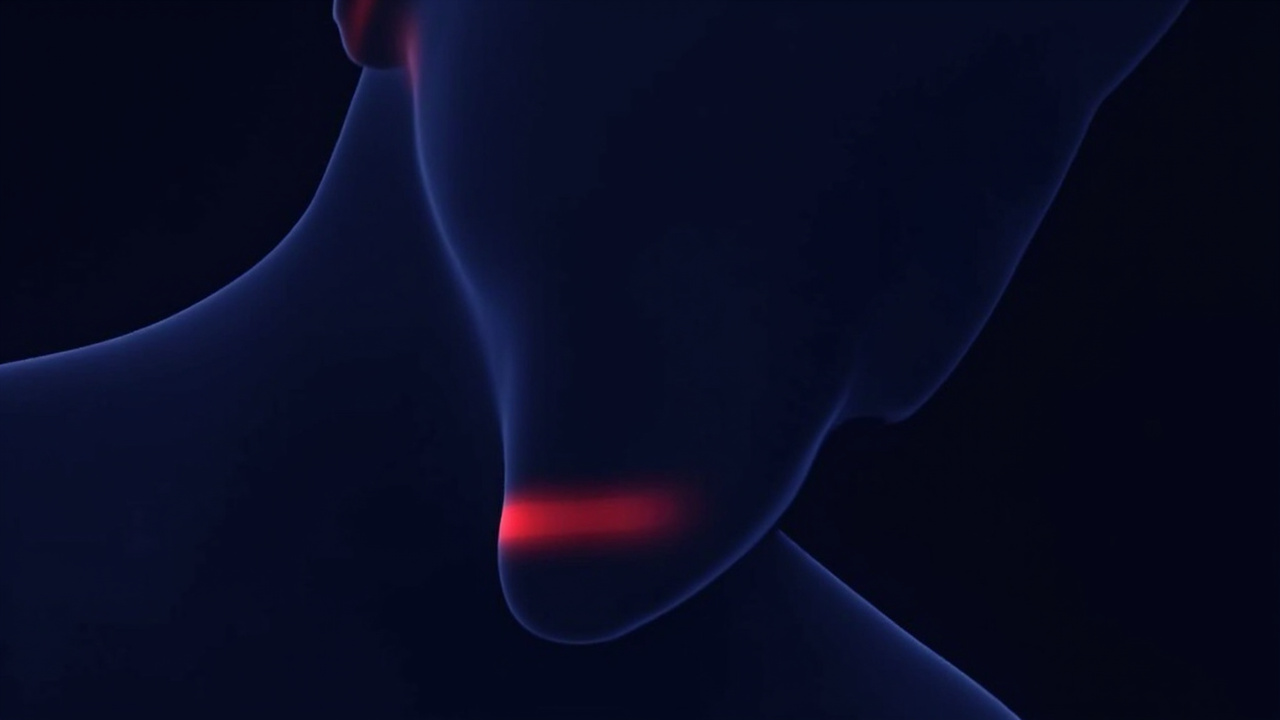
When Your Nerves Need a Battery Replacement
Think about the last time you felt that electric shock sensation when you accidentally touched something hot, or that tingly numbness after sitting in an awkward position too long. Now imagine feeling that all the time. That's what chronic nerve pain feels like for millions of people around the world.
For decades, doctors have been treating this kind of pain like a broken alarm system—basically trying to turn down the volume or unplug it entirely. But what if we've been looking at the problem all wrong?
The Real Problem: Your Nerves Are Exhausted
Here's where it gets interesting. Our nerves, just like everything else in our bodies, need energy to work. And that energy comes from tiny structures inside our cells called mitochondria—basically the little power plants that keep everything running.
When nerves get damaged (which can happen from diabetes, chemotherapy, or just wear and tear), their mitochondria start to fail. It's like your phone's battery is shot. The nerve can't produce enough energy to function normally, so it starts misfiring, sending out pain signals like crazy.
Scientists have suspected this for years, but proving it? That's been tricky.
The Breakthrough: Sharing the Power
Enter the team at Duke University School of Medicine. They had a wild idea: what if we could give damaged nerves fresh mitochondria? What if we could restore their power supply instead of just quieting the alarm?
In their recent research, they discovered something fascinating. There are special supporting cells around your nerves called satellite glial cells. These cells have been quietly doing their job, basically acting like bodyguards and support staff for your actual nerve cells. But it turns out they have another superpower: they can share their mitochondria with damaged nerves.
Even cooler? They do this through structures so small they're called "tunneling nanotubes"—essentially tiny tunnels that let mitochondria move from one cell to another. It's like cellular cable-sharing, but instead of bandwidth, you're sharing energy.
From Lab to Real Results
The researchers tested this on both human tissue samples and mice. When they boosted this mitochondrial sharing process, pain-related behaviors dropped by as much as 50%. In some cases, the pain relief lasted for nearly two days.
They also tried a more direct approach: injecting healthy mitochondria straight into the nerve clusters in the spine. Here's where it gets really interesting—it worked, but only if the mitochondria were actually healthy. When they used mitochondria from people with diabetes, there was no benefit. This tells us that the quality of the energy source really matters.
Why This Matters (And Why It's Different)
Most pain medications work by basically telling your brain "stop listening to those pain signals." They're like turning down the volume on an annoying alarm. But this approach is different. It's actually trying to fix the broken radio itself.
By restoring the energy supply to damaged nerves, you're not just masking the symptom—you're addressing one of the root causes. Your nerves can actually start healing because they have the fuel they need.
The researchers identified a crucial protein called MYO10 that makes these little tunnels possible. Understanding this could eventually lead to treatments that either boost this process naturally or help nerves make more of their own mitochondria.
The Catch (There's Always a Catch)
Before you get too excited, here's the reality check: this research is still pretty new. The team was working with tissue samples and mice, not actual human patients (yet). They need to do more work to understand exactly how this would work in a living, breathing human nervous system.
There's also the question of whether we could eventually make this work as a pill or injection that patients could take at home. Right now, it's still very much in the "this is scientifically cool" phase rather than the "your doctor can prescribe this" phase.
What This Means for Millions in Pain
If this technology pans out, it could be absolutely game-changing for people suffering from conditions like diabetic neuropathy (nerve damage from diabetes) or the brutal side effects of chemotherapy. Imagine being able to actually heal the underlying problem instead of just managing the symptoms forever.
The really exciting part? Scientists are discovering that this mitochondrial-sharing system seems to play a role in all sorts of conditions—obesity, cancer, stroke recovery, and more. So research in this area could end up helping people dealing with way more than just nerve pain.
The Bottom Line
This research is a great reminder that sometimes the best solutions come from asking completely different questions. Instead of "how do we block this pain signal?" the Duke team asked "why is this nerve damaged in the first place?"
And the answer? It was running out of gas.
Source: https://www.sciencedaily.com/releases/2026/05/260523103950.htm