
Okay, I need to tell you about something that sounds like it belongs in a sci-fi movie but is actually happening in a real laboratory right now.
Scientists are making cookies. From plastic.
Not plastic-flavored cookies or plastic-shaped cookies — I mean the actual building blocks of these cookies come from plastic bottles and agricultural waste. And honestly? After learning how it works, I'm genuinely excited about where this technology could go.
The Problem That's Actually Two Opportunities
Here's what grabbed me about this research from Southern Illinois University Carbondale: scientists looked at two huge global problems — plastic pollution and food insecurity — and thought, "What if we could kill both birds with one stone?"
I love this kind of creative problem-solving.
The team, led by Associate Professor Lahiru Jayakody, started with funding from NASA. The space agency wanted to develop ways to produce food during long missions where you can't exactly order a pizza delivery from Earth. When you think about it, astronauts on a years-long journey to Mars will need to make do with whatever resources they have available.
Plastic is basically long chains of carbon molecules. So is food. The question became: can we break down one and rebuild it as the other?
Meet the Tiny Food Factory: Yeast
Here's where it gets really interesting. The researchers aren't doing complicated chemical reactions in a lab. They're using microorganisms — specifically engineered yeast — to do the heavy lifting.
"Microbes are very clever," Jayakody said. "So, we are using their traits to solve the problems we created."
I don't know about you, but I find that both hopeful and a little humbling. We've created a massive plastic pollution problem, but we're also smart enough to enlist the help of microscopic organisms to fix it.
The process works like this: first, plastic (like those water bottles you guiltily toss in the recycling bin) and agricultural waste (corn stalks, leaves, that kind of thing) go through something called oxidative hydrothermal dissolution. Don't worry about the fancy name — just know it's a method that breaks stubborn materials into smaller molecules that microbes can actually use.
Those smaller molecules then get fed to specially programmed yeast. The yeast, doing what yeast does best, converts these inputs into proteins, fats, vitamins, and flavor compounds.
The Cookie Evolution
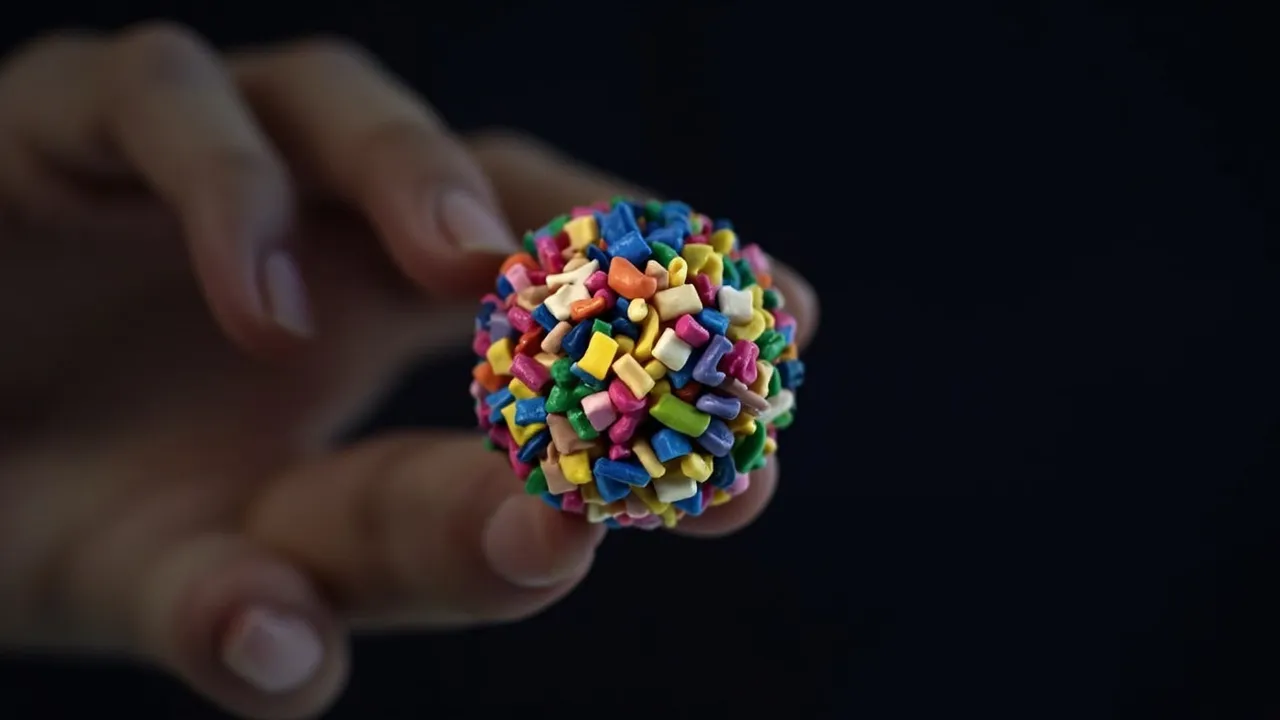
The final product is called µBites (pronounced "microbites," because scientists apparently love prefixes). Think of them as protein-rich cookies, but they're made using a 3D printer.
The researchers can engineer different yeast strains to produce different ingredients. One strain makes vanilla flavoring from plant material. Another can take molecules derived from plastic and convert them into beta carotene, which your body turns into vitamin A.
Currently, some ingredients like starch, fiber, and sweeteners still have to come from external sources. But the team is working on getting microbes to produce those components too. Imagine a future where almost everything in your food comes from these tiny biological factories.
Would You Actually Eat It?
Now, the million-dollar question: how do these plastic-derived cookies taste?
Here's the honest answer: nobody knows for sure yet. The researchers are still waiting for institutional approval before they can do formal taste tests. For now, participants have only evaluated the cookies based on smell.
But here's what surprised me: most people said they'd be willing to eat µBites if they were in a situation where food was scarce. Which makes total sense, right? When you're hungry enough, you won't be too picky about where your dinner came from.
The team is also trying to make the cookies more appealing even when other food options exist. After all, for this technology to really take off, people need to actually want to eat it — not just accept it as a last resort.
Why This Matters Beyond the Weird Factor
Look, I get that the idea of eating something made from plastic might trigger your ick factor. That's completely understandable. But let's zoom out for a second.
This technology could be revolutionary for disaster relief, military operations, or communities dealing with both waste management challenges and food shortages. We're talking about turning liabilities — all that plastic trash piling up in landfills and oceans — into assets.
And the space applications are obvious. If humans ever undertake long-duration missions to Mars or beyond, astronauts will need sustainable food sources that don't require constant resupply from Earth.
"We're using microbes to develop the cookie into a more attractive, consumer-friendly product," said graduate student Sandhya Jayasekara, who engineered many of the yeast strains used in this project.
The researchers hope these cookies could be ready for public consumption within the next few years. I'm curious to see what happens when the first person actually takes a bite and tells us whether it tastes like a normal cookie or something else entirely.
In the meantime, I'll be watching this space (pun intended) with genuine interest. Sometimes the solutions to our biggest problems come from the most unexpected places — even from the same plastic bottles we throw away every day.
What do you think? Would you try one of these cookies if it meant reducing plastic waste? I'd love to hear your thoughts in the comments.